
Focused arrival windows
Useful updates and clear arrival timing.
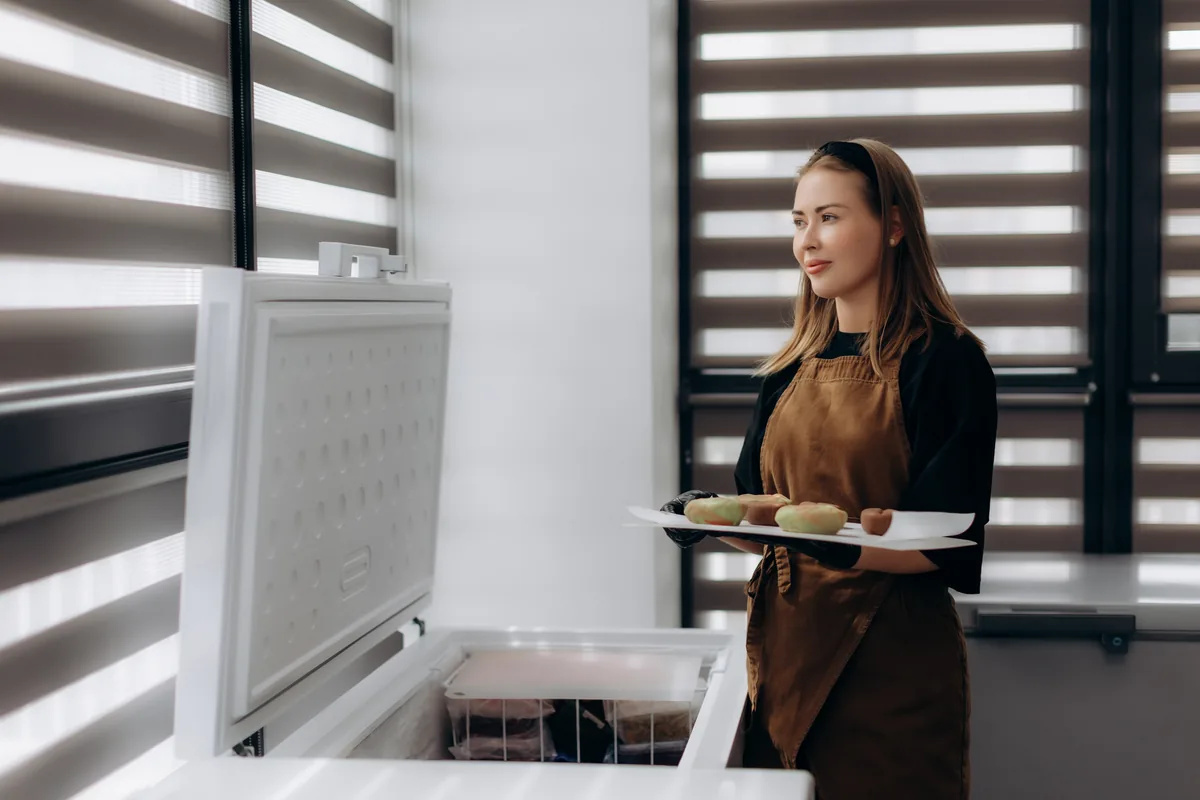
Ice cream soft, frost walls building up, or a garage freezer full of food that has stopped freezing? A freezer needs to hold 0°F, and when it will not, the cause is usually a leaking lid or door seal, dirty coils, a failed fan or defrost part, or a compressor that cannot start. We find the cause and quote the price before any work begins.
Useful updates and clear arrival timing.
Review the approach and price before deciding.
Equipped vehicles and respectful cleanup.
Neighbors serving neighbors with follow-through.
We repair upright freezers, chest freezers and the freezer section of a refrigerator. We check the simple causes first, so you do not pay for a big repair when a small one will do.
We measure the freezer with a thermometer. Food is safe at 0°F or below, and that reading, not the dial, is where the diagnosis starts.
A leaking lid or door seal, blocked vents, dirty coils and a failed fan are the most common reasons a freezer will not freeze, and the cheapest to fix.
On frost-free freezers we test the defrost heater, sensor and timer. We also check the thermostat, the start relay and the compressor.
We tell you what is safe to keep, whether the freezer is worth repairing for its age and what to move to another freezer first.
Tell us what is happening and get a clear next step from the local team.
A freezer uses the same sealed system as a refrigerator, with a compressor, coils and refrigerant, but it runs colder and has no fridge section to share the air. Chest freezers have a lid and usually need manual defrosting. Upright freezers have a door, and many are frost-free, with a fan and a defrost system like a fridge. A freezer is safe at 0°F or below, and above about 10°F food starts to soften and lose quality.
Most freezer failures come from a short list: a seal that no longer closes, coils choked with dust, a fan or defrost part that has failed, or a start relay or compressor that will not run. A freezer in a hot Florida garage also works much harder than one in an air-conditioned room. We check those in order, from cheapest to most expensive.
Unplug the freezer before touching any electrical part. Our freezer warning signs guide shows what is normal and what is not.
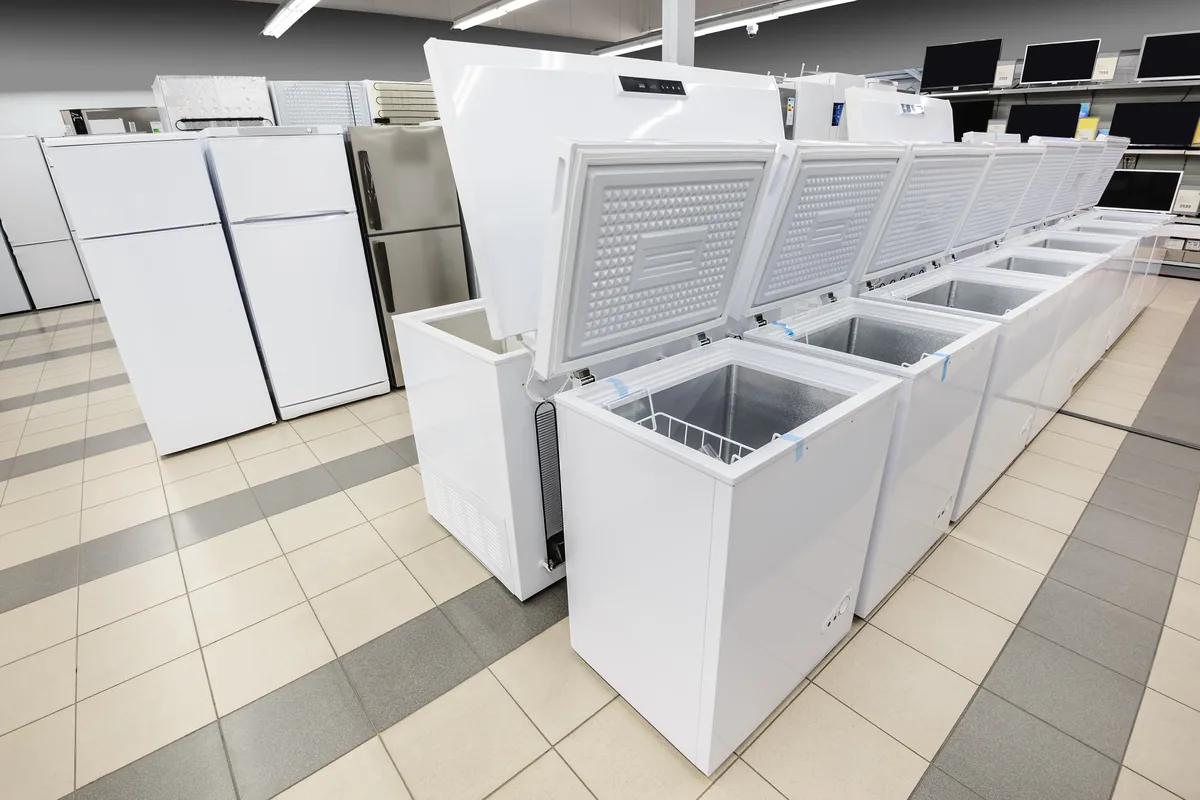
Match what you see to the usual cause. The cheapest explanation is checked first.
| What you see | Usual cause | First check | Typical fix |
|---|---|---|---|
| Food soft, ice cream melting | Warm freezer: leaking seal, dirty coils, failed fan, or a compressor or relay fault | Thermometer; check the seal and coils | Seal, coil or fan service; test the relay and compressor |
| Thick frost on the back wall (upright) | Failed defrost heater, sensor or timer, or a worn seal | Check the door seal; note how fast frost returns | Defrost system repair |
| Heavy ice on the lid or walls (chest) | Worn lid gasket, lid left ajar, or overdue manual defrost | Check the lid closes flat; look for a gasket gap | Replace the gasket; defrost fully |
| Freezer runs constantly | Dirty coils, worn seal, hot room, failing fan or low refrigerant | Clean the coils; check the seal | Coil, seal or fan repair; sealed-system check |
| Clicking, then silence | Failed start relay or capacitor, or a seized compressor | Listen for a click every few minutes | Replace the relay or capacitor; test the compressor |
| Loud humming or rattling | Failing fan, loose mount or a worn compressor | Check levelling and loose parts | Fan or mount repair; assess compressor |
| Water pooling under or around it | Clogged drain (upright), melting frost or a leaking line (if plumbed) | Look for ice at the drain | Clear the drain and fix the cause |
| Freezer worked until a storm | Surge damaged the relay, board or controls | Unplug for 5 to 10 minutes and restart | Replace the damaged part |
On the call we ask the type (upright, chest or fridge freezer), the make and model, what the thermometer reads and what the food is doing.
We check the power, the seal, airflow, the coils and the fans, because those are the most common and cheapest fixes.
We test the thermostat, the start relay and capacitor, the defrost system and the compressor, in that order.
You hear the cause, the part and the price, and our honest view on repair versus replacement for the age of the freezer.
We confirm the freezer is dropping toward 0°F and explain how long to wait before refilling it.
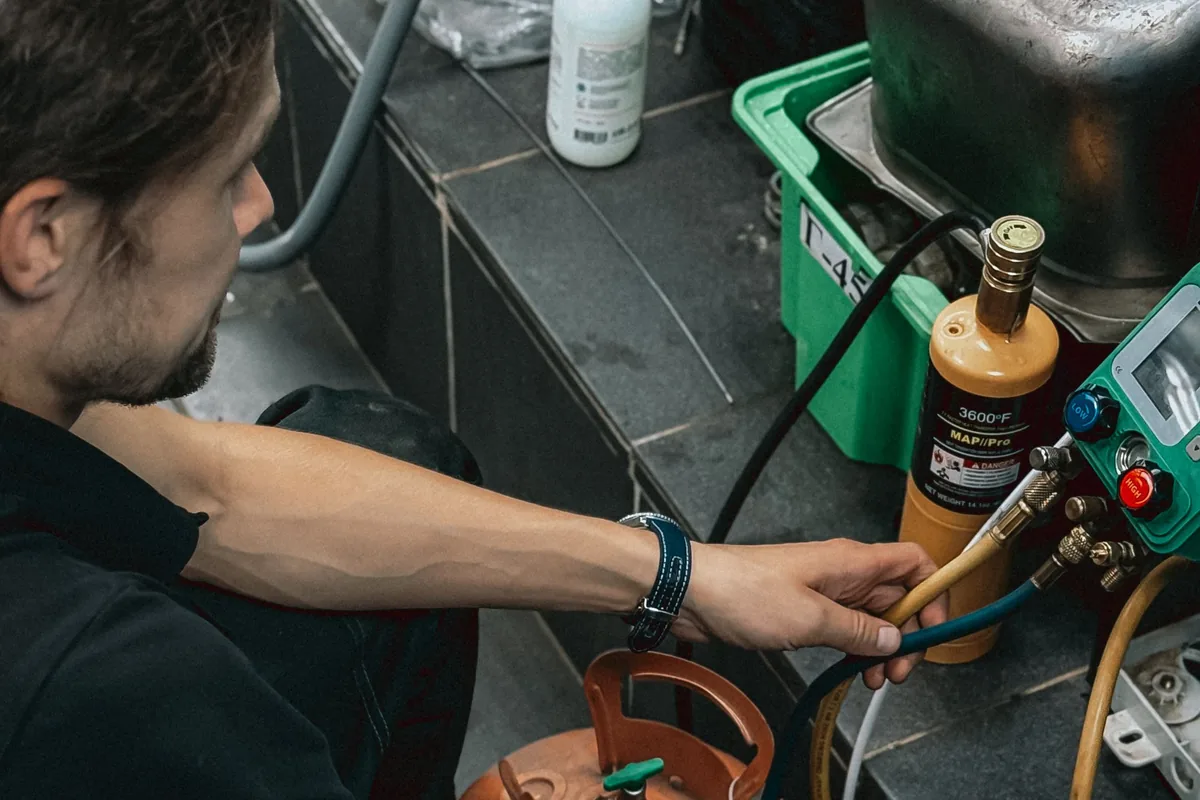
Shows the real temperature. Food is safe at 0°F or below, and above about 10°F quality starts to drop.
Test the defrost heater, sensor, thermostat, relay, capacitor and compressor circuit.
Cleans dusty condenser coils, a common cause of a freezer running hot.
Gaskets, fans, relays and thermostats for the major brands, so many repairs finish in one visit.
We adhere to EPA regulations for refrigerant handling, ensuring safe and responsible service.
Our technicians follow NATE standards for quality service and effective repairs.
We apply ISO 9001 principles to ensure consistent service quality and customer satisfaction.
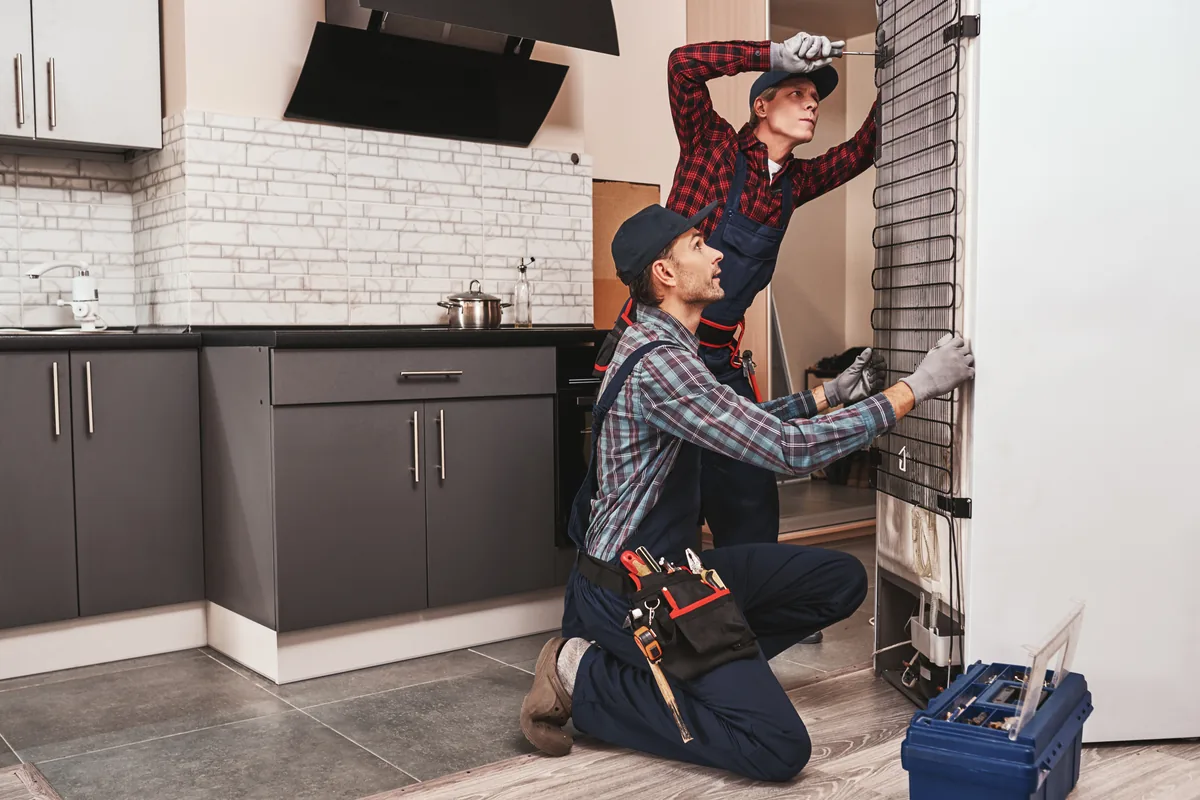
Move food to another freezer if you can and keep the lid or door closed. Call before the food has been above 40°F for more than 2 hours.
A worn gasket or a failed defrost part will keep making frost until it is fixed. Defrosting only resets the clock.
A surge may have damaged the relay or controls. Unplug it for 5 to 10 minutes and restart it, and call us if it still will not run, before the food thaws.
Heat, humidity and storm prep put extra load on freezers here, especially garage chest freezers. These are the local reasons we check the freezer and its surroundings.
Some standard freezer and fridge manuals limit the room to roughly 55°F to 110°F, so a garage freezer in August can run non-stop. Garage-rated models are designed for about 38°F to 110°F.
Moist air gets in every time the lid or door opens, and a worn gasket lets in much more. That builds frost and makes the freezer run longer.
Many households fill a freezer with bulk food, fish or storm supplies. A freezer failing at the wrong moment risks a large amount of food, so early repair pays off.
A full freezer holds about 48 hours without power if the lid stays closed, and a half-full one about 24. Surges can damage the relay and controls when power returns.
A freezer left on or off all summer needs checking before it is restocked. Clean it, run it to temperature and check the seal and the temperature before you refill it.
The customer's freezer was filled with frost, making it difficult to store food.
After our service, the freezer was completely cleared of frost and operating at optimal temperatures.
Maintenance: Regularly clean the coils and check the door seals to maintain efficiency.
Water was pooling around the freezer, causing damage to the floor.
We identified and fixed the leak, preventing further water damage.
Maintenance: Inspect seals and hoses regularly to prevent leaks.
The freezer was making loud, unusual noises, disrupting the household.
After our technicians repaired the mechanical issues, the freezer operated quietly.
Maintenance: Schedule regular maintenance checks to catch issues early.
These are the freezer faults we are called about most.
A leaking seal, dirty coils, a failed fan, a defrost fault or a compressor problem. We test in order and fix the cause.
A worn gasket, a failed defrost heater, sensor or timer, or a lid left ajar. We fix the part and clear the ice.
Dust, heat or a worn seal makes it run non-stop. We clean, test and fix what is overloading it.
A failed relay, capacitor or compressor. We test the cheap parts first.
A failing fan or loose mount. Some noise is normal, but a loud constant one is not.
A relay or board damaged by a surge is a smaller repair than a compressor, and we replace the part that failed.
$100 - $450 depending on scope
Most freezer repairs in Fort Myers fall within $100 to $450, with a seal, fan or thermostat toward the lower end. A compressor or sealed-system repair can cost $500 to $1,000 or more and is often near the price of a new freezer. You get a clear quote before any work begins, and we say honestly when replacing makes more sense.
A gasket, fan or thermostat is a modest repair. A compressor or a leaking sealed system is a major one.
Chest freezers are simpler but heavy, and uprights and fridge freezers have fans and defrost parts. The type affects parts and labor.
On a freezer under about 10 years old, repair is usually worth it. On an older one with a compressor fault, replacing is often better.
If the repair costs more than half the price of a comparable new freezer, replacing is usually the better value.
A fast repair can protect hundreds of dollars of food. We help you decide what to move first.
When comparing companies, ask whether the diagnostic fee is credited toward the repair, and whether parts and labor are in the quote.
| Job | Typical range | What it depends on |
|---|---|---|
| Door or lid seal (gasket) | $60 to $100 | Size and model |
| Thermostat or fan motor | $95 to $280 | Part, access and brand |
| Compressor or sealed-system repair | $500 to $1,000+ | Often near the price of a new freezer |
General US market estimates from published cost guides (Fixr, EasyBear), not a Fridge Masters quote. Our quote comes after we diagnose your freezer.
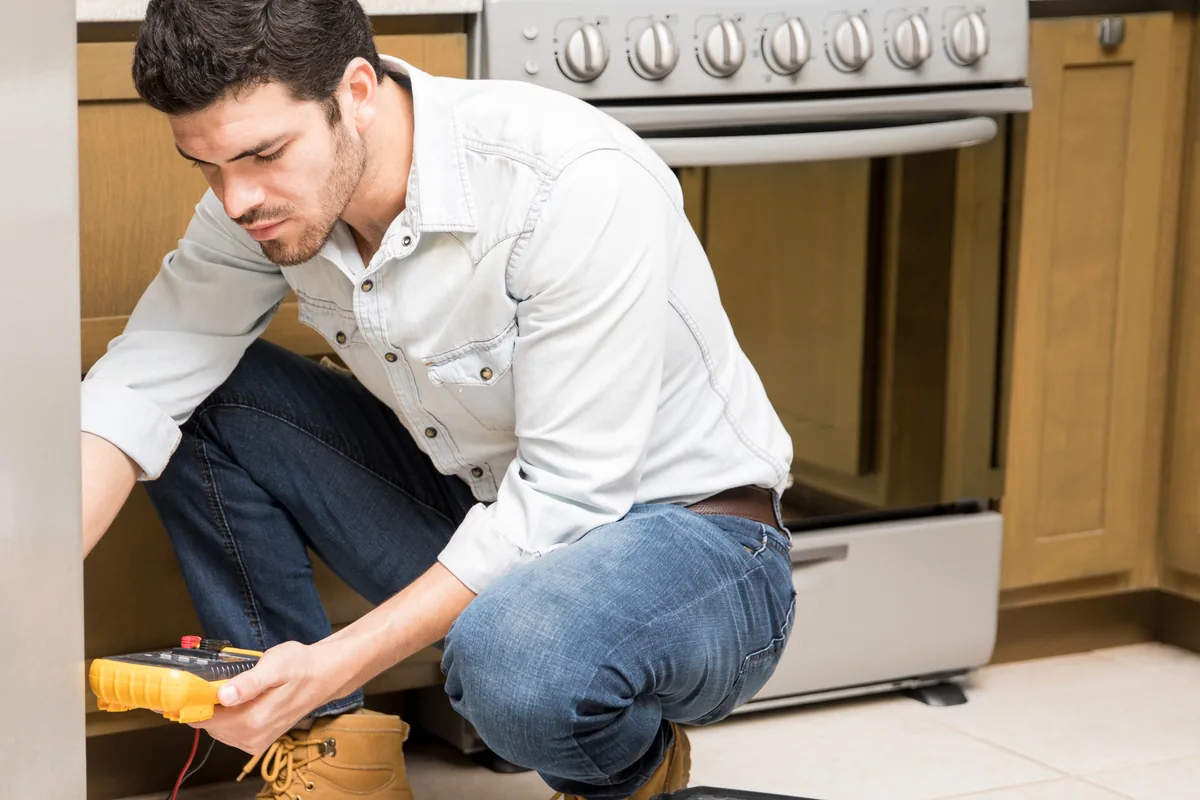
With 12 years of experience in freezer repair, our team is equipped with the knowledge and skills to handle all types of freezer issues.
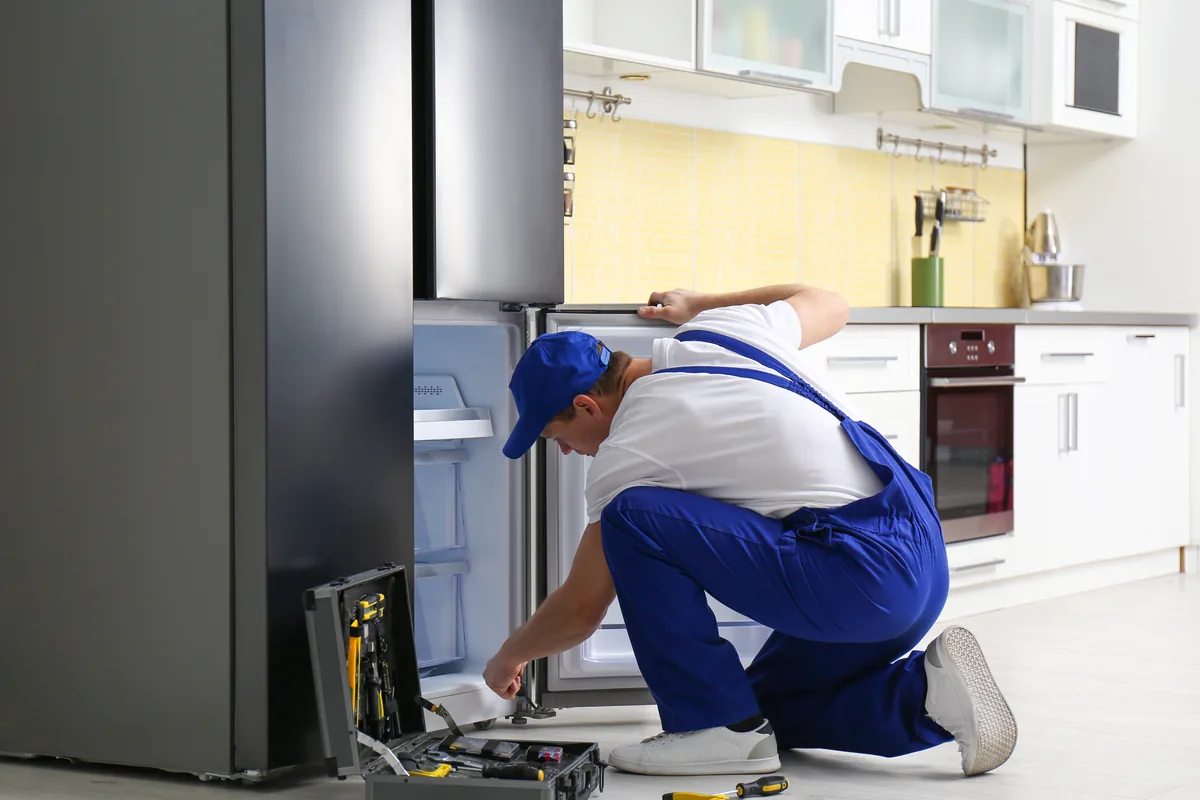
I had an issue with my freezer not cooling properly. The team was prompt and fixed it in no time. Highly recommend their services!
Their emergency freezer repair service saved my business. They arrived quickly and resolved the issue efficiently.
Great experience! They were professional and explained everything. My freezer is working perfectly now.
The most common causes are a leaking lid or door seal, dirty condenser coils, a failed fan, a defrost fault, or a start relay or compressor that will not run. Check the plug and the dial, put a thermometer inside and look at the seal. If it is above 0°F and rising, call us before the food thaws.
The FDA says 0°F. Food stays safe at 0°F or below, and above about 10°F it starts to soften and lose quality. Use a freezer thermometer, because most dials do not show the real temperature.
A full freezer holds its temperature for about 48 hours if the door stays closed, and a half-full one about 24 hours. Food with ice crystals, or still at 40°F or below, can be refrozen. Discard perishables that were above 40°F for more than 2 hours.
If it still has ice crystals or is at 40°F or below, it is generally safe to refreeze, though quality may drop. Meat, poultry, seafood, dairy and cooked dishes that were above 40°F for more than 2 hours should be thrown away. When in doubt, throw it out.
In a chest freezer, a worn lid gasket or a lid left ajar is the usual cause, and the freezer needs defrosting. In a frost-free upright, thick frost on the back wall means the defrost heater, sensor or timer has failed. Defrosting alone only resets the clock.
Most freezer repairs in Fort Myers fall within $100 to $450, with a seal, fan or thermostat toward the lower end. A compressor or sealed-system repair can cost $500 to $1,000 or more. You get a quote before any work begins.
It can. Some standard manuals limit the room to roughly 55°F to 110°F, so a hot garage can keep a freezer running non-stop and shorten its life. Garage-rated models are designed for about 38°F to 110°F. Clean the coils, give it space and keep it out of direct sun.
Usually yes if the fault is a seal, fan or thermostat and the freezer is under about 10 years old. If the compressor has failed on an older freezer, replacing it is often better. If the repair costs more than half of a new one, we will say so.
The click is often the start relay or overload trying and failing to start the compressor. A relay is cheap and worth replacing first. If it does not help, the compressor may have seized. We test the cheap parts first.
Unplug it, move the food to coolers, open the lid and put towels and a pan inside to catch water. Let the ice melt on its own. Do not chip with a sharp tool, because you can puncture the lining or the coils. Wipe it dry and restart it.
Unplug it for 5 to 10 minutes and restart it. If it will not run, a surge may have damaged the relay or controls. Keep the lid closed to save the food, and call us. A full freezer holds about 48 hours without power.
A protector made for large appliances can help, and an electrician can fit whole-home protection. Avoid a basic power strip for a freezer. Surges are a common cause of relay and board damage after Florida storms.
Yes. We repair upright, chest and refrigerator freezers across Fort Myers and nearby areas, including Cape Coral, Estero, Lehigh Acres and Bonita Springs. Give us the type, the make, the model and what the thermometer reads when you call.
A warming freezer is a symptom of a failing fan, heavy frost, a leaking seal, dirty coils or a weakening cooling system. If the temperature climbs, move the food to another freezer or a cooler. A full freezer holds about 48 hours without power if the door stays shut, and a half-full one about 24. Perishables that were above 40°F for more than 2 hours should go.
A freezer can feel cold and still be above 0°F. The air may be cold at the vent while the food stays soft, because the temperature is rising between cycles, the door seal leaks or the defrost cycle runs too often. Put a thermometer in the food. If it reads above 10°F, the freezer needs service.
It can stop for a short list of reasons: a start relay or compressor that has failed, a failed fan, frost blocking the airflow, a defrost fault, or a seal that no longer closes. Check the plug and the dial, then look at the thermometer and for frost. If it will not run or is warming, move the food and call us.
A freezer that warms in cycles is usually frosting up and then clearing, or the compressor is overheating and tripping. A defrost fault, a weak fan or a leaking seal can all do it. Note when it happens. A pattern of every few hours is a strong clue, so write it down for the technician.
Soft ice cream means the freezer is warmer than about 0°F to 3°F. Samsung says ice cream needs below 3°F. A leaking seal, a failing fan, frost or dirty coils are common causes. Put a thermometer in the freezer, and if it is above 5°F, check the seal and the coils, and call us if it is climbing.
Frost builds when moisture gets in or the defrost system has failed. A worn door or lid seal, frequent opening in humid air, blocked airflow or a failed defrost heater, sensor or timer are the usual causes. Defrosting only resets the clock. If the frost returns within weeks, a defrost part has failed.
On a frost-free freezer, water on the floor means the defrost drain is blocked or frozen, so meltwater cannot leave. It can also be a leaking ice maker or a loose water line. Look for ice around the drain at the back. Do not chip it. Clearing the drain fixes today's water, and finding why it froze stops the next time.
Meltwater from the defrost cycle is not draining, so it pools and refreezes into a sheet or a block. A frozen or blocked drain is the usual cause, and a failed defrost heater can freeze it again. Let it melt rather than chipping it, and expect it to return until the cause is found.
The freezer makes the cold and a fan pushes some into the fridge. If the freezer is fine and the fridge is warm, that air is not getting through. A failed evaporator fan, a blocked vent, a stuck damper or a failed defrost heater are the usual causes. Look at the freezer back wall for frost.
Straight answers to what Fort Myers homeowners ask about freezers. Not seeing your question? Call and ask.
Ask the local team
Frost and defrost faults in frost-free freezers and fridges.
View service
A worn gasket is the most common reason a freezer will not stay cold.
View service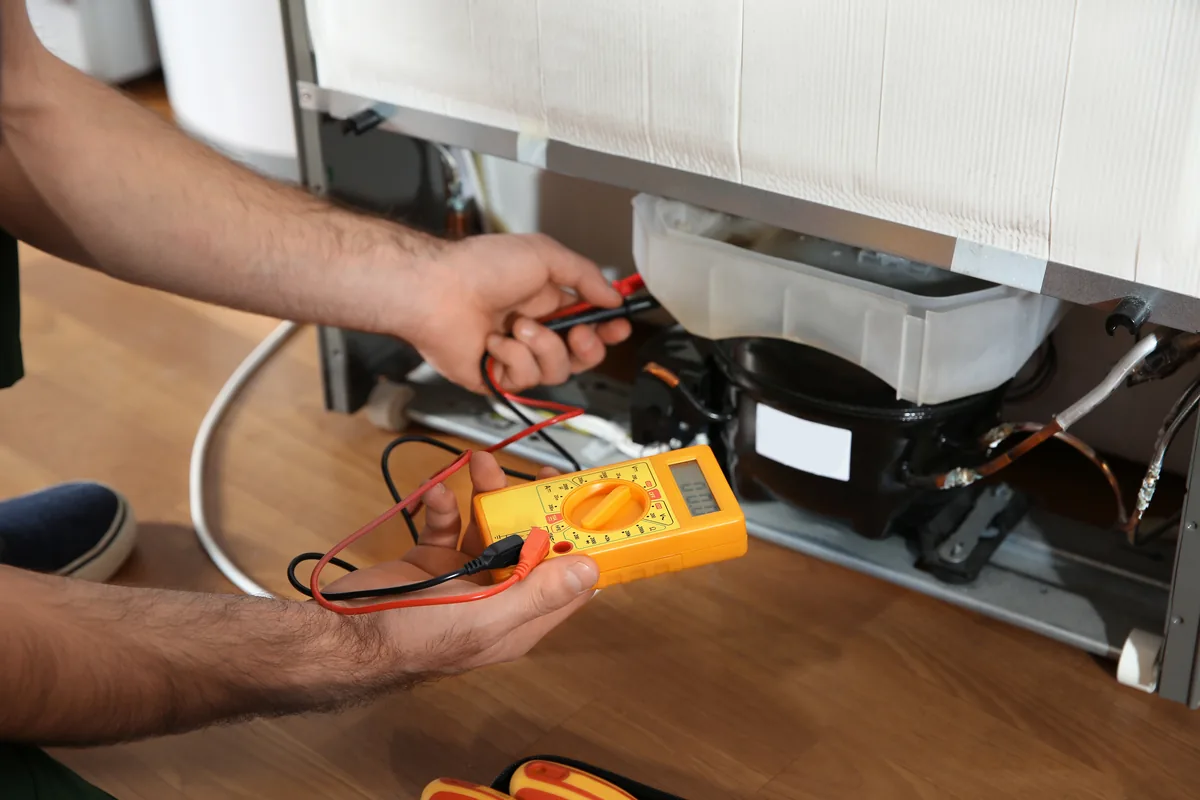
When the freezer clicks, runs hot or will not start.
View service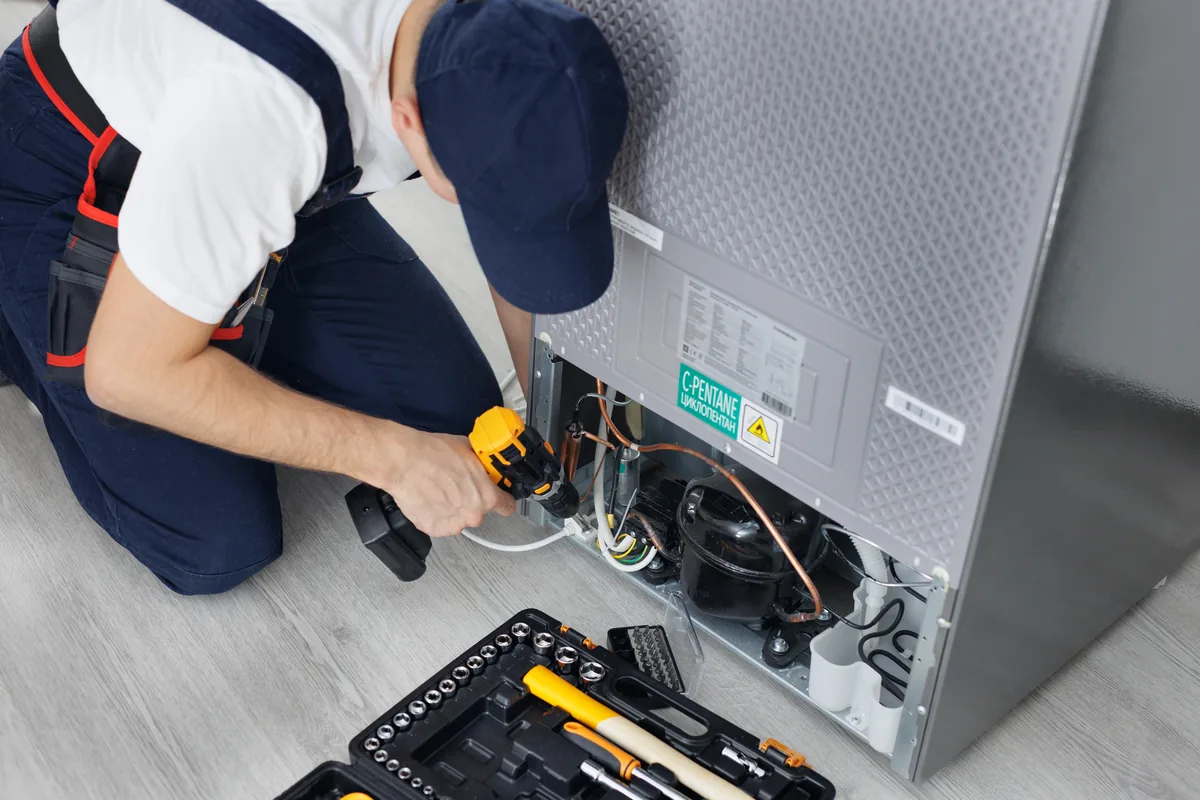
A failed freezer fan leaves it warm or noisy.
View service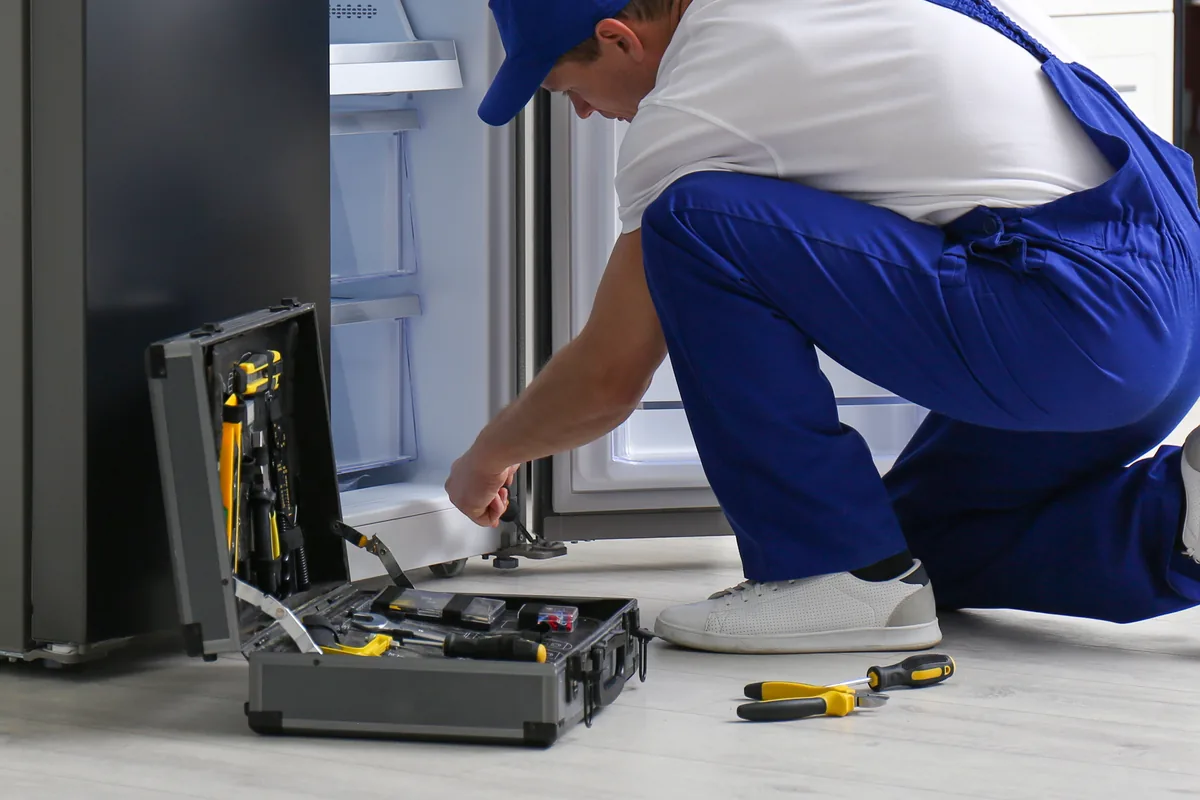
We're here to assist you with any fridge repair needs. Our team responds promptly to inquiries and is available for service.


