
Focused arrival windows
Useful updates and clear arrival timing.
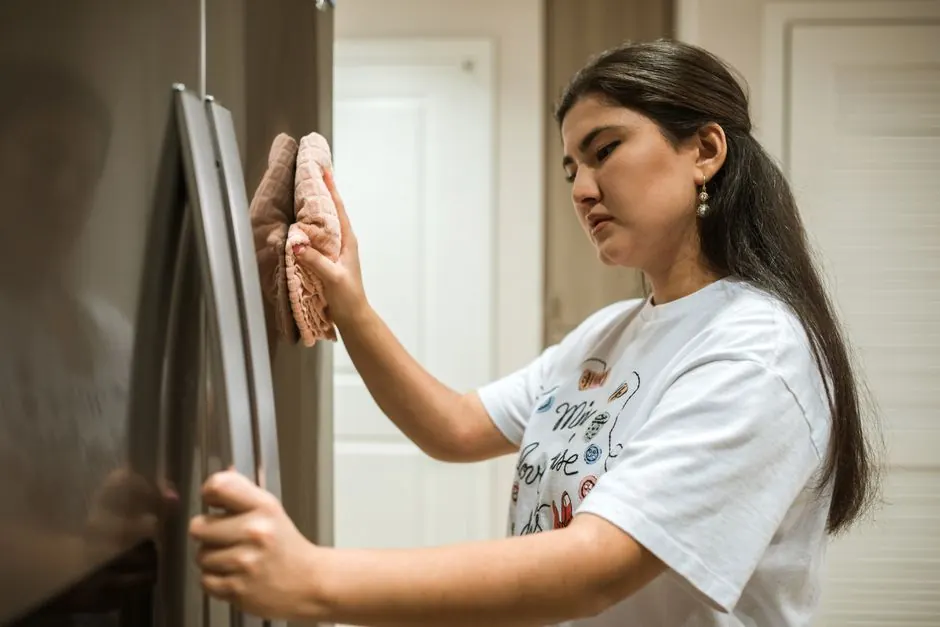
A fridge that smells even after you have cleaned it, mold in the gasket, sticky shelves or dusty coils? Some of the dirt is where you cannot easily reach: the drip pan, the defrost drain, the coils and the gasket folds. We clean the fridge inside and out, find the real source of the smell, and tell you if something needs repairing. You get the price before any work begins.
Useful updates and clear arrival timing.
Review the approach and price before deciding.
Equipped vehicles and respectful cleanup.
Neighbors serving neighbors with follow-through.
A wipe-down handles spills. A proper cleaning also handles the hidden parts that cause odors, mold and extra running time.
We empty and clean shelves, drawers, walls and the door bins, and the gasket folds, using warm, soapy water and food-safe methods. We do not use solvents or abrasives inside a food space.
Persistent smells often come from the drip pan, the defrost drain, spilled food behind a drawer or the area under the fridge. We look in those places, not only on the shelves.
We clean dust from the condenser coils and check the defrost drain and the drip pan, because dust and blocked drains cause heat, water and smells.
We clean and polish the outside, handles and top, then check the gasket and the temperatures so you know the fridge is running well.
Tell us what is happening and get a clear next step from the local team.
A refrigerator collects dirt in places you cannot see. Spills run behind drawers and into the drain. Water sits in the drip pan. Dust and pet hair coat the coils. Mold grows in the gasket folds. USDA and food-safety guidance is simple: wipe up spills as soon as they happen, clean surfaces with warm, soapy water and rinse, and avoid solvent cleaners and abrasives that can leave fumes or tastes on food and ice.
That covers the surfaces you can reach, but it does not explain a smell that comes back. A clogged defrost drain, a dirty drip pan or spoiled food that leaked under the unit is a far more common source than the shelves. A proper cleaning visit finds that source, and if the cause is a failing seal or a blocked drain, we tell you what repair is needed.
Unplug the fridge before cleaning near the coils, fans or the back panel. Our coil cleaning guide explains how and when.

Match what you see or smell to the usual hidden cause. The shelves are rarely the whole story.
| What you see | Usual cause | First check | Typical fix |
|---|---|---|---|
| Bad smell that returns after cleaning | Drip pan, defrost drain or spilled food under the unit | Check the drip pan and the freezer-floor drain | Clean the pan and drain; clear the blockage |
| Musty smell, damp air | Mold in the gasket or water pooling inside | Wipe the gasket; look for water | Clean; replace the gasket if torn |
| Sour smell after a long outage | Spoiled food and its liquid soaked into liners and seals | Remove all food; wash with soapy water | Deep clean; replace the gasket if odors stay |
| Black spots in the gasket folds | Mold from trapped moisture | Clean with warm soapy water | Replace if mold is inside a tear |
| Sticky shelves and drawers | Spills left to dry | Remove drawers and wash them | Interior deep clean |
| Dusty, furry coils | Dust and pet hair on the condenser | Look at the grille or back panel | Coil cleaning |
| Water pooling under the crisper drawers | Clogged defrost drain | Check the freezer floor for ice | Clear and clean the drain |
| Smell near ice or water dispenser | Old filter or a dirty ice bin | Empty and wash the bin; check filter age | New filter; clean the bin |
On the call we ask the make and model, where the smell is strongest and whether there has been a spill, an outage or a leak.
We remove shelves and drawers, and look at the drip pan, the drain, the gasket and the area under the fridge for the real source.
We wash the interior with warm, soapy water, clean the gasket folds, clear the drain and clean the dusty coils.
We clean and polish the outside and check the seal and temperatures. If a repair is needed, such as a gasket or a blocked drain, we quote it first.
We explain how to keep it clean, how often to clear it out and when to check the coils.
No solvents or abrasives inside a food space, which can leave fumes or tastes on food and ice.
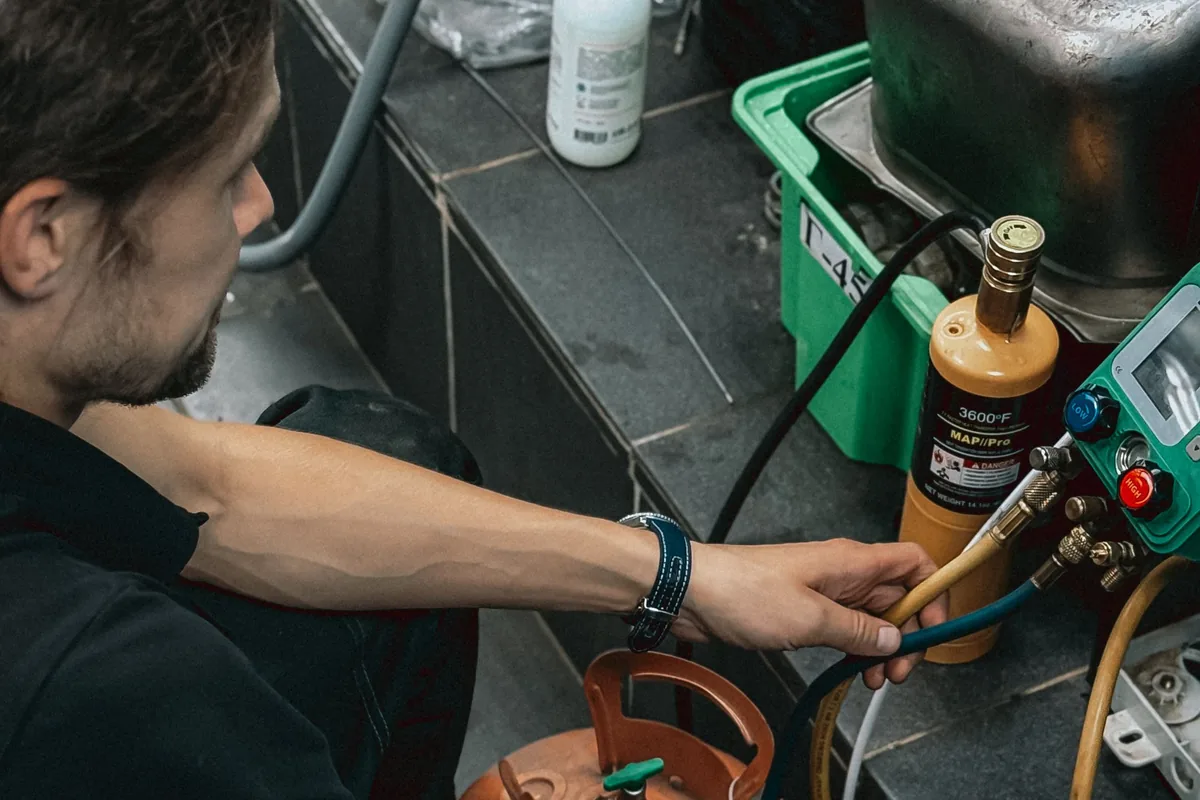
Removes dust and pet hair from the condenser coils without bending them.
We can reach the drip pan and defrost drain, where most hidden odors begin.
Confirms the fridge holds 40°F or below and the freezer 0°F after cleaning.
Our cleaning process follows a strict protocol that ensures every area is sanitized and cleaned thoroughly.
We provide tips and techniques to help you maintain your refrigerator between professional cleanings.
We emphasize the importance of maintaining appropriate temperatures to prevent food spoilage.
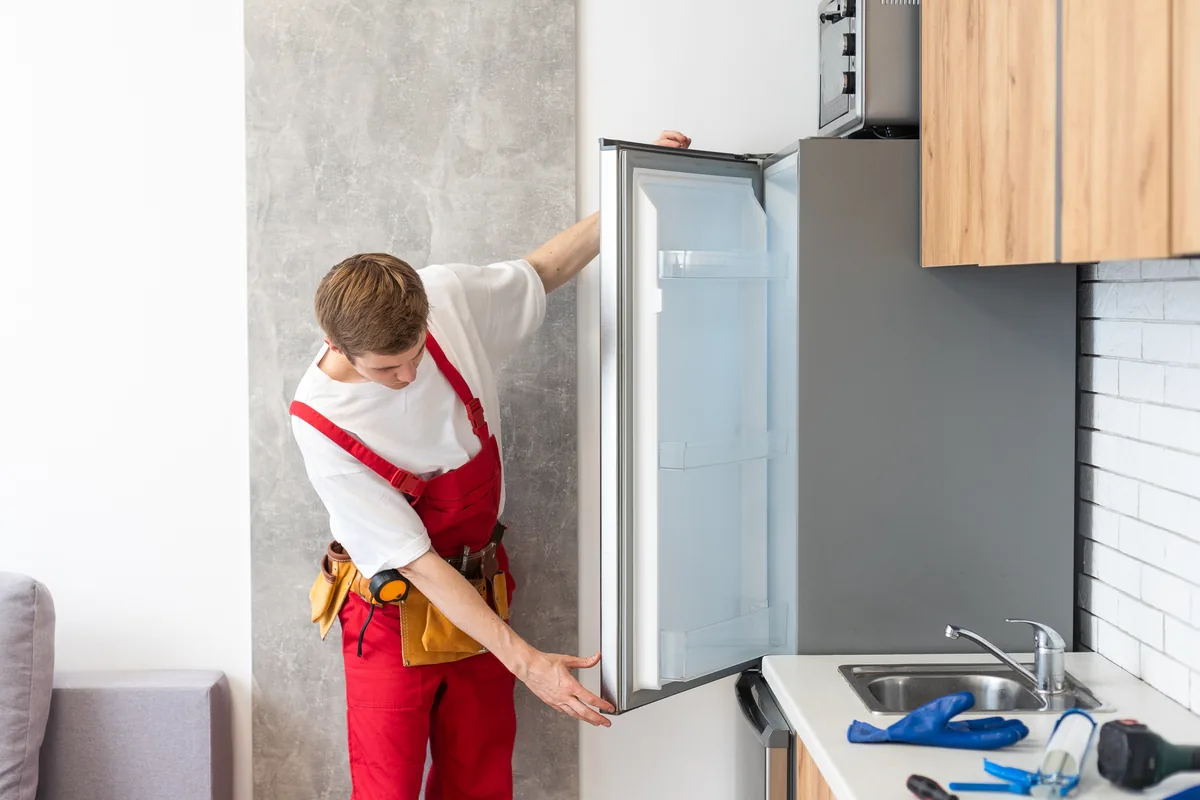
If a thorough shelf clean does not stop it, the source is hidden. The drip pan, the drain or something under the unit is the likely cause.
Spoiled food and its liquid can soak into liners and gaskets. Remove everything, clean thoroughly, and call us if odors remain.
A fridge shut for months can grow mold and trap stale air. A clean before restocking sets it up for a year.
Heat, humidity and long closures all help mold and odors take hold here. These are the local reasons we look beyond the shelves.
Moist air gets in whenever the door opens, and it condenses in gasket folds and drains. That is where mold starts.
A multi-day outage can spoil everything inside. Odors soak into liners and seals, and a thorough clean is often needed once the food is gone.
A fridge that sat in floodwater should not be cleaned and reused. Floodwater can damage the compressor and wiring, so call us to inspect it first.
A fridge closed up for the summer can smell musty when it is restarted. Clean it, check the gasket and run it to temperature before you restock.
Dust and pet hair on the condenser coils make the fridge run hot and work harder. Coil cleaning is part of a good clean, and it supports the compressor.
The refrigerator was filled with mold and unpleasant odors, making food storage unsafe.
After our cleaning, the fridge was spotless and odor-free, with all surfaces sanitized.
Maintenance: Regular cleaning every 3-6 months will help maintain this condition.
The fridge had lingering smells from expired food and spills.
Post-cleaning, it smelled fresh, with no traces of previous odors.
Maintenance: Keep an eye on food expiration dates and clean spills immediately.
The fridge was inefficient, leading to higher energy bills and food spoilage.
After our cleaning, it operated efficiently, reducing energy costs by 15%.
Maintenance: Regularly clean the coils and maintain proper temperatures.
These are the cleaning problems we are called about most.
The cause is usually the drip pan, the defrost drain or spilled food in a hidden spot. We find it and clear it.
We clean surface mold. Where it has got into a tear, we advise replacing the gasket.
We remove and wash drawers and shelves, and clean the walls and door bins.
We clean the coils, which helps the fridge run cooler and protects the compressor.
We clean liners and seals, and tell you if odors suggest a gasket needs replacing.
Pooling water or blocked drains keep a fridge damp. We clear the cause, not only the symptoms.
Quoted by scope, after a call
A cleaning visit is priced by the fridge and the job, and we quote it before any work begins. A basic interior clean costs less than a clean that includes coils, drain work and odor-source tracing. If we find a repair is needed, such as a gasket or a blocked drain, we quote that separately, and most repairs fall within $100 to $450.
A large French door or side-by-side fridge takes longer than a small top-freezer.
A routine clean is quick. A fridge after an outage or a closed season can take much longer.
Cleaning the coils and clearing the drain adds time, but it solves the hidden causes of odors and heat.
A smell that keeps returning can need part of the unit opened and cleaned.
A worn gasket or blocked drain is quoted separately and only with your approval.
When comparing companies, ask whether coils, the drain and the drip pan are part of the clean, and how it is priced.
| Job | Typical range | What it depends on |
|---|---|---|
| Interior and exterior cleaning | Quoted by the fridge and the job | Size, how dirty it is and what else is included |
| Coil cleaning | Quoted with the visit | Access to the coils and how dusty they are |
| Door seal if it needs replacing | $60 to $100 | Model and number of doors |
The door seal figure is a general US market estimate (Fixr), not a Fridge Masters quote. Cleaning is quoted by the visit after we know the fridge and the job.

With 12 years of experience in providing Refrigerator Cleaning Services Fort Myers FL, our team is equipped with the knowledge and skills to handle all types of refrigerators, including models from Whirlpool, LG, and Samsung.
I was impressed with the thoroughness of the refrigerator cleaning service. My fridge looks brand new, and I feel much better about food safety now!
Their team did an excellent job cleaning our commercial fridge. It was quick, efficient, and the results were fantastic. Highly recommend!
I never realized how dirty my fridge was until they cleaned it. The odors are gone, and everything is organized. Great service!
The smell usually comes from somewhere you did not clean: the drip pan, the defrost drain, a spill that leaked behind a drawer or under the unit, or mold in the gasket. We check those places, not just the shelves, and clear the source.
Remove the food, then wash shelves, drawers and walls with warm, soapy water and rinse. Wipe the gasket folds, and dry everything. Do not use solvent cleaners or abrasives, which can leave fumes or tastes on food and ice. Clean spills as soon as they happen.
Clear out perishables weekly, and wipe up spills straight away. A fuller clean of shelves and drawers every few months suits most households. Households with pets or dusty kitchens may need to check the coils every 3 to 6 months.
Generally 3 to 4 days. Raw poultry and ground meat should be used within 1 to 2 days. Clearing the fridge weekly keeps old food from causing smells.
Wipe the folds with warm, soapy water and rinse and dry them. Surface mold usually washes off. If the mold is inside a torn or cracked gasket, or keeps coming back, the gasket needs replacing. We can do that for you.
Remove all food and throw away anything spoiled. Wash the shelves, drawers, walls and gasket with warm, soapy water, and dry it. If smells linger, the liner or gasket may have absorbed them, and we can clean more deeply or replace the gasket.
Yes. Unplug the fridge, remove the kick plate or back panel, brush the dust off, and vacuum it. Be careful not to bend or puncture the coils. Pet owners should check every 3 to 6 months. We can do it for you if you prefer.
The drip pan collects water from the defrost cycle, usually under the fridge. If it is dirty or the drain is clogged, it can grow bacteria and smell. We clean the pan and clear the drain, which solves many odors that cleaning the shelves does not.
No. A fridge that sat in floodwater can have damaged wiring and a damaged compressor, and food that touched floodwater must be thrown away. Do not plug it in. Call us and we can inspect it first and tell you whether it is worth repairing.
Warm, soapy water is the safest everyday cleaner. Strong cleaners can leave odors and tastes on food and ice, and some damage plastic. Rinse well after any cleaner, and follow your manual. If mold keeps returning, the cause is usually moisture or a damaged gasket.
It can. Clean coils help it shed heat, and a clean gasket seals better. Energy.gov notes that clean coils transfer heat more effectively. A dirty fridge can still be a leaking or failing one, so we check the seal and temperatures too.
Yes. A fridge closed up for the summer can grow mold and smell stale. Cleaning it before you restock, and checking the gasket and the temperatures, sets it up well. If it was left on without power, call us before you use it.
Yes. We clean refrigerators across Fort Myers and nearby areas, including Cape Coral, Estero, Lehigh Acres and Bonita Springs. Give us the make, the model and what you smell or see when you call, and we plan the visit.
Straight answers to what Fort Myers homeowners ask about cleaning a refrigerator. Not seeing your question? Call and ask.
Ask the local teamWhen mold is inside a torn gasket, replacing it is the fix.
View service
Regular coil, seal and temperature checks to keep the fridge clean and efficient.
View service
Blocked drains and defrost faults behind water and ice problems.
View service
Coils, seals and settings that affect running cost.
View serviceWe're here to assist you with any fridge repair needs. Our team responds promptly to inquiries and is available for service.


