
Focused arrival windows
Useful updates and clear arrival timing.
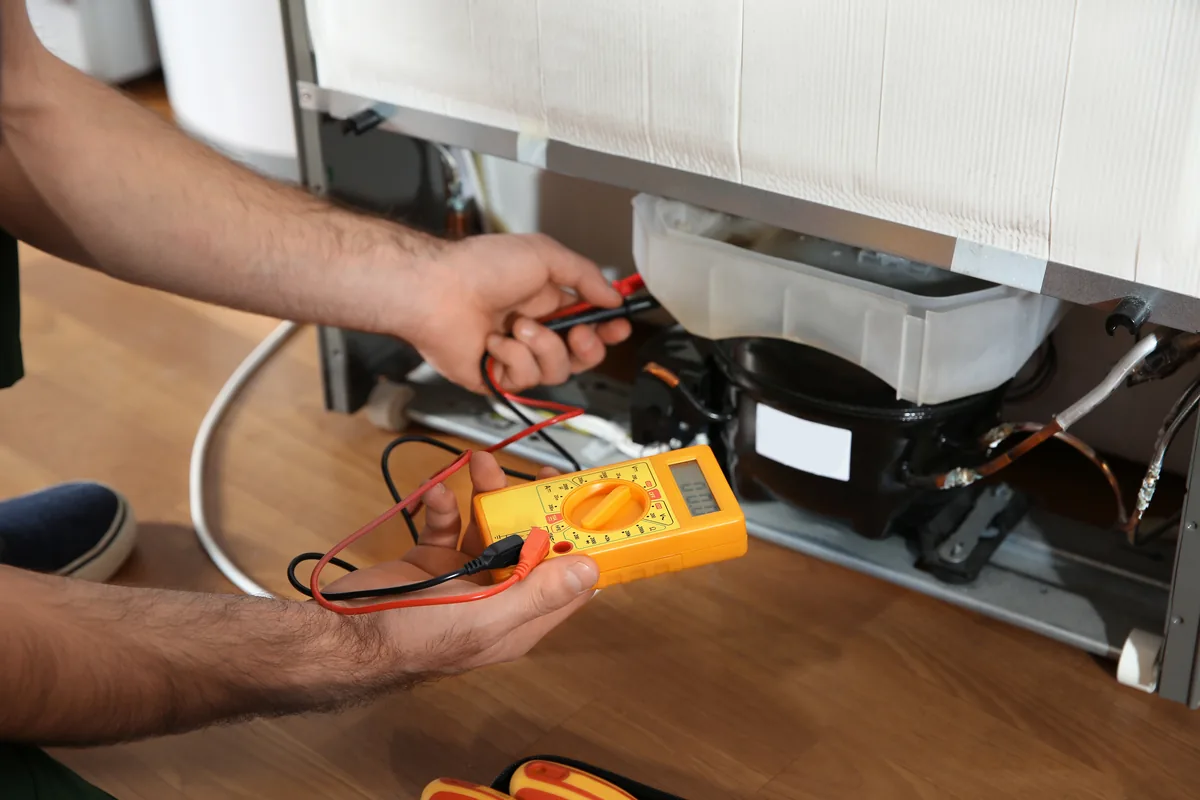
A fridge that is warm while the freezer is cold, a buzzing or whining noise from the back, or a compressor that overheats and shuts off? A failed fan motor is a common cause, and it is usually a modest repair. We tell you which of the fans has failed, replace it, and quote the price before any work begins.
Useful updates and clear arrival timing.
Review the approach and price before deciding.
Equipped vehicles and respectful cleanup.
Neighbors serving neighbors with follow-through.
A fridge has more than one fan, and each does a different job. We find which has failed, and why, so the replacement lasts.
The evaporator fan sits in the freezer and moves cold air to the fridge. The condenser fan sits at the back or bottom and cools the compressor and coils. We identify the one that is failing.
We check whether the fan runs when it should, whether it spins freely, and whether the motor, the wiring and the door switch are working.
Dust, ice and worn bearings kill fan motors. We fix the cause too, such as ice from a defrost fault or dust on the coils, so the new motor does not fail early.
We fit the right motor and blade, run the fridge and confirm the air is moving and the temperatures are heading in the right direction.
Tell us what is happening and get a clear next step from the local team.
A refrigerator has two main fans. The evaporator fan is inside the freezer. It blows air across the cold coil and sends it into the freezer and, through a vent, into the fridge. The condenser fan is behind the bottom rear panel. It blows air over the condenser coils and the compressor. When the evaporator fan stops, the fridge section warms while the freezer stays cold. When the condenser fan stops, the compressor overheats and cycles off, and both sections warm.
Fan motors usually give a warning. Bearing wear starts with a faint hum or whine, then a buzz or rattle, then grinding before the motor seizes. A fan that is hitting ice, or one clogged with dust, makes the same sounds. So we find out why it is noisy before we replace it, and tell you honestly if cleaning or clearing ice is enough.
Unplug the fridge before reaching near any fan. Our noisy fridge guide explains what the different sounds mean.

Match what you hear and feel to the usual cause. Where the noise comes from tells us which fan to check.
| What you see | Usual cause | First check | Typical fix |
|---|---|---|---|
| Fridge warm, freezer cold | Failed evaporator fan, or ice blocking it | Listen for the fan in the freezer | Replace the fan or clear the ice and fix the defrost fault |
| Humming or whining from the freezer | Evaporator fan bearings wearing | Open the door and note if it stops | Replace the motor |
| Loud noise that stops when the door opens | Fan blade hitting ice | Check for frost on the back wall | Clear ice and repair the defrost system |
| Buzzing or rattling from the bottom rear | Condenser fan loose, dirty or failing | Clean the coils; check for debris | Clean, tighten or replace the fan |
| Compressor hot and cycling on and off | Failed condenser fan; compressor overheating | Feel the bottom rear carefully | Replace the condenser fan |
| Both fridge and freezer warm | Condenser fan off, dirty coils or a compressor fault | Clean the coils; check the fan runs | Fan replacement or compressor diagnosis |
| Grinding or screeching | Motor bearing close to seizing | Switch the fridge off if it is loud | Replace the motor promptly |
| Fan runs but cooling is weak | Dirty or blocked coil, weak fan, or a restricted air path | Check vents and coils | Clean and test; replace if weak |
On the call we ask the make and model, where the noise is, and whether the freezer is cold and the fridge warm.
We check whether the evaporator or condenser fan runs, whether it spins freely, and whether it gets power and the door switch signal.
We check for ice, dust and blocked airflow, because a fan that was damaged by those will fail again unless the cause is fixed.
You hear which fan has failed, the price and any option to replace the fridge. If you approve, we replace the motor and blade.
We run the fridge, confirm the air is moving and tell you how long to wait before judging the temperatures.
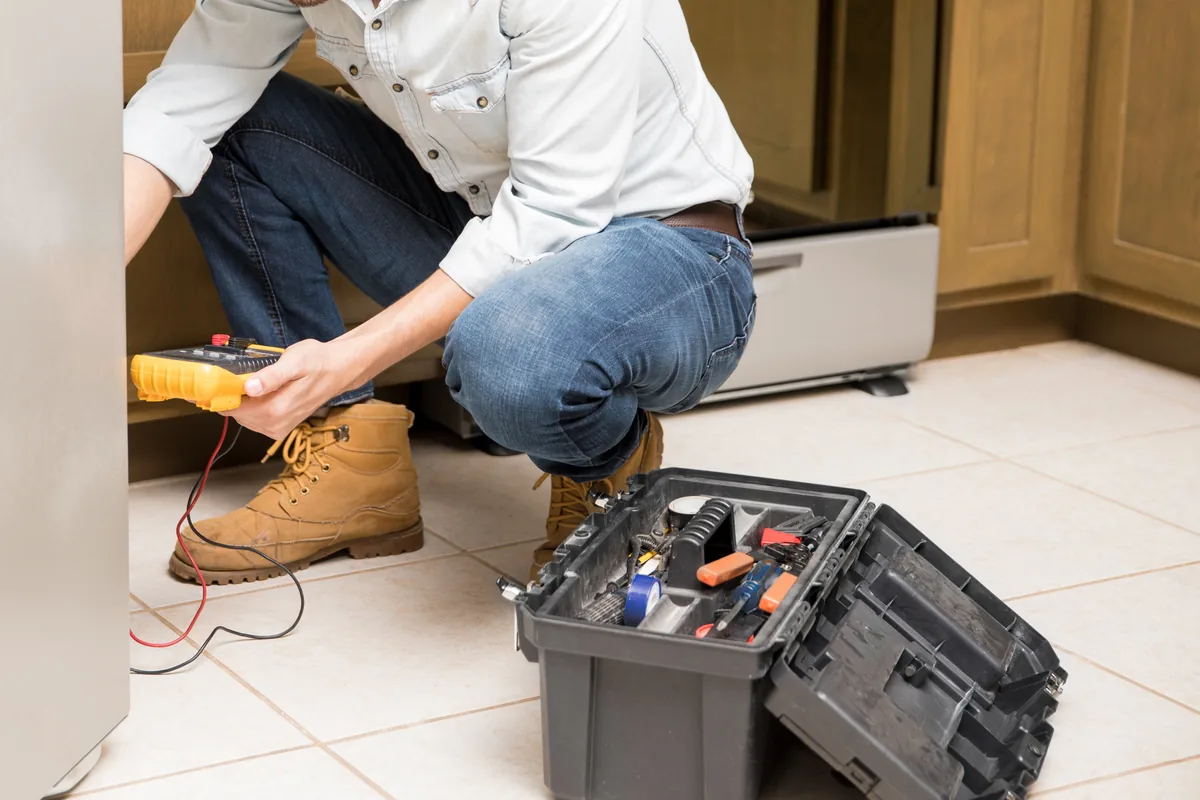
Tests the fan motor and wiring for continuity and the door switch that controls the evaporator fan.
Shows whether the fridge is cooling toward 40°F and the freezer is holding 0°F.
Cleans the coils and fan area, because dust is a common cause of condenser fan failure.
Evaporator and condenser fan motors and blades for the major brands, so most fixes finish in one visit.
All refrigerant handling and repairs are conducted in compliance with EPA regulations to ensure environmental safety.
Our technicians follow NATE certification standards, ensuring high-quality service and expertise in appliance repair.
We utilize advanced diagnostic testing to pinpoint issues accurately, allowing for efficient and effective repairs.
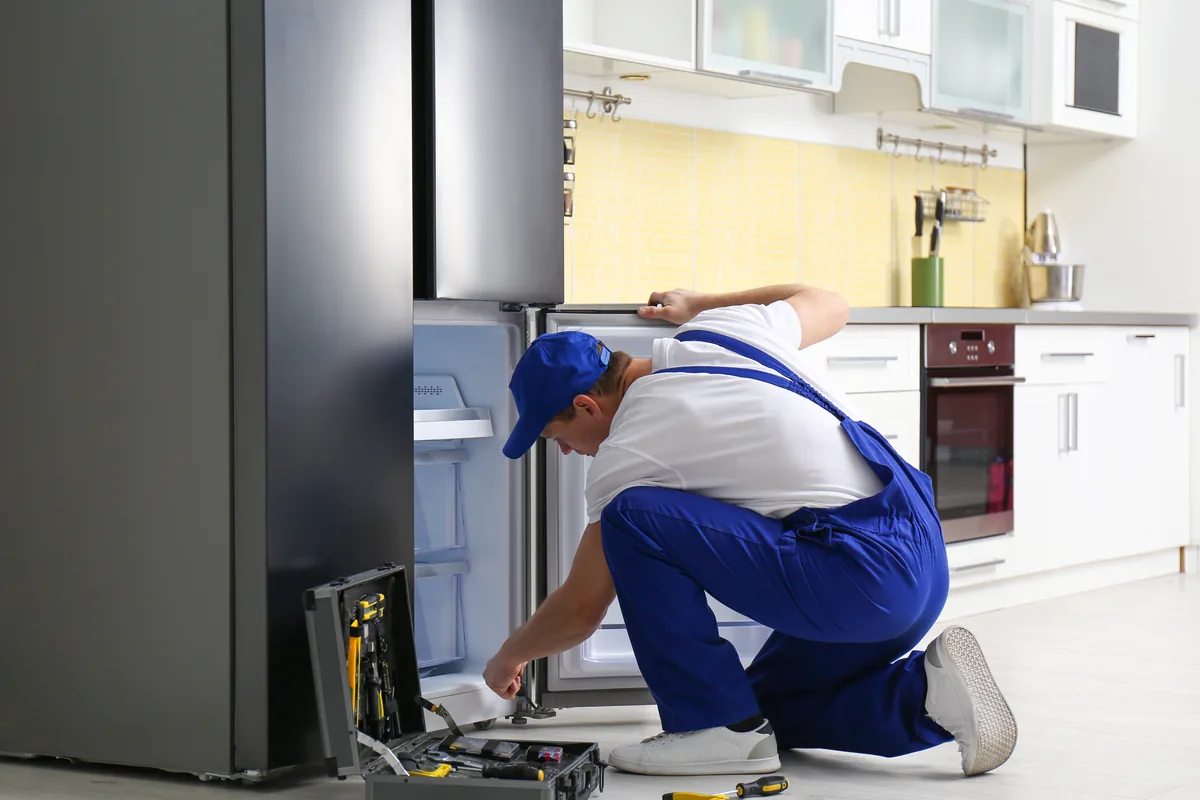
It is a classic failed evaporator fan symptom, though a defrost fault or damper can cause it too. A quick diagnosis tells you which it is before you lose food.
Fans rarely fail without warning. A growing noise means the bearings are going, and replacing the motor early is cheaper than a spoiled fridge of food.
A dead condenser fan makes the compressor overheat. Fixing the fan early protects the compressor, which is the costly part.
Dust, heat and humidity all age a fan motor faster here. These are the local reasons we check the fans, the coils and the room together.
Average highs reach about 91°F from June to September. Fans run longer in a hot kitchen, which wears the bearings.
Dust on the condenser coils and fan makes the motor strain. Condenser fans in dusty homes often fail sooner than those in clean ones.
Moist air freezes onto the evaporator coil, and if the defrost system is weak, the fan hits that ice. We fix both.
Some standard manuals limit the room to roughly 55°F to 110°F, so garage fridges push fans harder. A hot, dusty garage is the hardest place for a fan motor.
Outages and surges can stress fan motors and the board that drives them. If a fan stopped after a storm, mention it when you call.
A homeowner in Fort Myers noticed their refrigerator was not cooling properly, leading to spoiled food.
After our refrigerator fan motor repair, the appliance maintained a consistent temperature of 37°F, ensuring food safety.
Maintenance: Regular maintenance checks can help prevent future cooling issues.
A customer reported loud rattling noises coming from their fridge, indicating a potential fan motor issue.
Post-repair, the refrigerator operated quietly, with no further noise disturbances.
Maintenance: Routine inspections can catch issues before they escalate.
The homeowner faced high energy bills due to an inefficient refrigerator fan motor.
After repairs, energy consumption was reduced by 25%, saving the homeowner money.
Maintenance: Regular upkeep of the fan motor can enhance energy efficiency.
These are the fan faults we are called about most, with the usual cause behind each.
The evaporator fan is not moving cold air to the fridge. We test the fan, the door switch and the defrost system.
Worn bearings in a fan motor. Replacing it before it seizes avoids a bigger failure.
Ice from a defrost fault hits the blade. We clear it and fix the defrost problem.
A failed condenser fan or dirty coils make the compressor run hot and cut out. We fix the fan and clean the coils.
A loose, dirty or bent fan blade. We secure or replace it.
A dirty coil or a weak motor. We clean and test, and replace if the airflow is poor.
$100 - $450 depending on scope
Most fan motor repairs in Fort Myers fall within $100 to $450, and usually in the lower half, because the part is small and the job is typically one visit. If the real cause is ice from a defrost fault or a failing compressor, the price follows that repair instead. You get a clear quote before any work begins.
An evaporator fan inside the freezer and a condenser fan at the back cost differently, and one can be much harder to reach.
Some French door and built-in models use specific fan assemblies that cost more to source. Your model number lets us check first.
If ice or dust killed the fan, we fix that as well, so the new motor does not fail early. That may add a defrost or cleaning step.
A fan repair on a fridge under about 10 years old is usually worth doing. Fan motors typically last 8 to 15 years.
A failed condenser fan can overheat the compressor, so repair early. See compressor repair for what a bigger failure costs.
When comparing companies, ask whether the diagnostic fee is credited toward the repair, and whether parts and labor are in the quote.
| Job | Typical range | What it depends on |
|---|---|---|
| Evaporator fan motor replacement | $95 to $280 | Parts plus labor; access behind the freezer panel |
| Condenser fan motor replacement | $95 to $280 | Parts plus labor; access at the bottom rear |
| Defrost fault causing ice on the fan | Quoted after diagnosis | Heater, sensor or timer; see evaporator coil repair |
General US market estimates from published cost guides (EasyBear, Fixr), not a Fridge Masters quote. Our quote comes after we diagnose your fridge.

With 12 years of experience in the appliance repair industry, our team is well-versed in handling various refrigerator brands and models. Our certifications include EPA Section 608 and NATE Certification, ensuring we adhere to the highest standards.

I was impressed with the quick response and thorough service. The technician diagnosed my fridge fan motor issue and had it repaired the same day. Highly recommend!
Fridge Masters provided excellent service for my commercial refrigerator. They handled the fan motor repair efficiently, and I couldn't be happier with the results.
I noticed my fridge wasn't cooling properly. The team at Fridge Masters was prompt and professional, fixing my fan motor quickly. I'm very satisfied!
Common signs are a fridge that is warm while the freezer stays cold, a hum, whine or grind from the back, and a compressor that runs hot and cuts out. With the freezer door open you should hear the evaporator fan. Silence suggests it has failed.
The evaporator fan is in the freezer and moves cold air to the freezer and fridge. The condenser fan is at the bottom rear and cools the compressor and coils. A failed evaporator fan warms the fridge. A failed condenser fan overheats the compressor, and both sections warm.
A failed evaporator fan, a blocked air damper or frost blocking the coil are the usual causes. Check for frost on the freezer back wall and listen for the fan. If the fan is silent, it has probably failed. A technician can confirm in one visit.
The evaporator fan is probably hitting ice, or its bearings are worn. Opening the door stops the fan and the noise. If there is frost on the back wall, the defrost system has failed and the ice needs clearing and the cause fixing.
Published guides put the total at roughly $95 to $280, with parts a small share and labor the rest. In Fort Myers, most fan repairs fall within $100 to $450, usually the lower half. You get a quote before any work begins.
Fan motors typically last about 8 to 15 years. Dust, ice and heat shorten that. A condenser fan in a dusty home or hot garage may fail sooner. Cleaning the coils each year helps protect the fan.
Some people do, but it involves unplugging the fridge, removing panels and matching the right motor and blade. A wrong diagnosis wastes the part, and ice or a defrost fault will destroy a new fan. If you try, unplug the fridge first and keep clear of the blades.
Yes. Without airflow over the coils, the compressor overheats and cuts out on its overload protector, and repeated overheating wears it out. Replacing a condenser fan early costs far less than a compressor. If the bottom rear is hot, call us.
Yes. Dust and pet hair on the coils and around the condenser fan make the motor strain, and dust can get into the bearings. Brush and vacuum the coils carefully each year, with the fridge unplugged. It is one of the cheapest ways to protect the fan and the compressor.
Usually yes on a fridge under about 10 years old, because a fan is a modest repair. On a much older fridge with other problems, replacing may be better. If the repair costs more than half of a new fridge, we tell you.
Indirectly. Humid air freezes onto the evaporator coil, and if the defrost system is weak, the ice jams the fan. Heat also makes fans run longer. Keeping door seals in good condition reduces the moisture that gets in.
Unplug the fridge for 5 to 10 minutes, restart it and listen. If the fan still does not run, a surge may have damaged the motor or the board. Keep the doors shut to save the food, and call us.
Yes. We repair evaporator and condenser fans across Fort Myers and nearby areas, including Cape Coral, Estero, Lehigh Acres and Gateway. Give us the make, the model and what you hear, and we check parts before the visit.
Straight answers to what Fort Myers homeowners ask about fridge fans. Not seeing your question? Call and ask.
Ask the local team
Ice on the evaporator coil is a common reason a fan fails.
View serviceA failed condenser fan can overheat the compressor.
View service
Control faults that can look like a failed fan.
View serviceCoil and fan cleaning protects fan motors from dust.
View serviceWe're here to assist you with any fridge repair needs. Our team responds promptly to inquiries and is available for service.


