
Focused arrival windows
Useful updates and clear arrival timing.
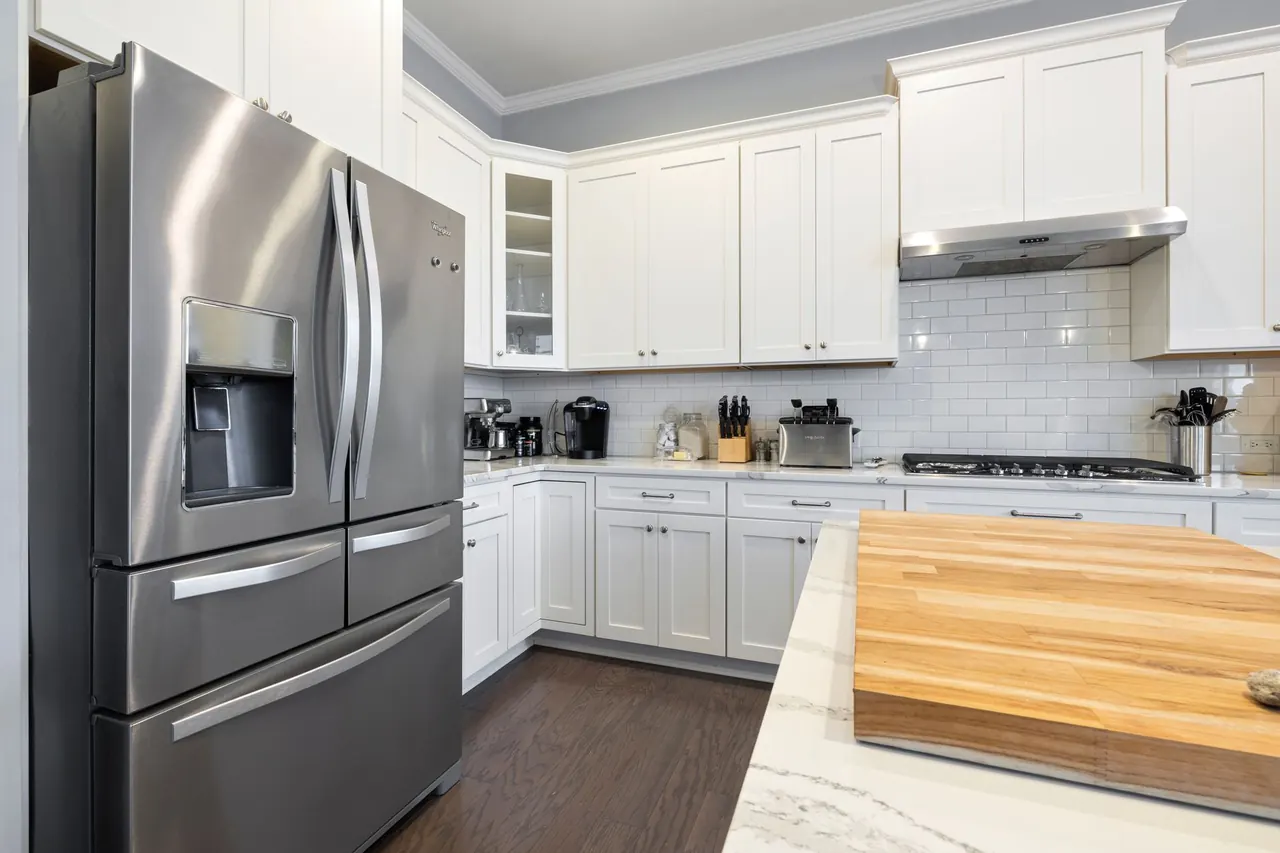
Ice maker stopped, slow, leaking or making hollow cubes? We repair built-in and in-door refrigerator ice makers across Fort Myers. Most failures come down to a few causes: a freezer that is not cold enough, a frozen fill tube, an old water filter or a failed water inlet valve. We find which one and quote the price before any work begins.
Useful updates and clear arrival timing.
Review the approach and price before deciding.
Equipped vehicles and respectful cleanup.
Neighbors serving neighbors with follow-through.
We work from the easy, common causes to the less likely ones, so you do not pay for a new ice maker when the fault is a filter or a frozen tube.
We check the freezer temperature, the water supply and pressure, the filter, the fill tube, the inlet valve, the mold thermostat and the control arm before we blame the ice maker itself.
Inlet valves, supply lines, fill tubes and filter housings. This is where most ice maker faults actually sit, especially in homes on well water.
Ice maker modules and assemblies, mold thermostats, ice-level sensors and ejector parts, for both freezer-bin and in-door French door ice makers.
We run a cycle, check for leaks and tell you how long to wait for the first ice, since an ice maker can take up to a day to catch up, and what to discard.
Tell us what is happening and get a clear next step from the local team.
A refrigerator ice maker needs three things: a freezer at about 0°F, a steady water supply of at least about 20 psi, and parts that open the valve, fill the mold, freeze the water and eject the ice. When ice stops, one of those has failed. Most of the time it is the water side, such as the filter, the fill tube or the inlet valve, not the ice maker itself.
That matters for cost. A new filter or a thawed fill tube is cheap. Replacing a whole ice maker assembly is not, and it will not help if the real fault is a warm freezer or a clogged valve. So we diagnose in order and tell you what we find before we replace anything.
Unplug the fridge before you touch anything electrical, and never chip at ice with a sharp tool near the mold. Our ice maker troubleshooting guide goes through the checks step by step.
Find what you see, then the usual cause and the first thing to try. If the first check does not fix it, call us.
| What you see | Usual cause | First check | Typical fix |
|---|---|---|---|
| No ice at all | Switched off, warm freezer, frozen fill tube, failed inlet valve | Control arm down; freezer near 0°F | Thaw tube, replace valve or module |
| Dispenser gives water but no ice | Frozen fill tube or failed ice maker module | Look for ice around the fill tube | Thaw and find why it froze; replace module if dead |
| Small, thin or hollow cubes | Low water pressure, clogged filter or valve, fridge out of level | Replace an old filter; level the fridge | Clean or replace valve; fix the supply line |
| Cloudy ice | Dissolved minerals in the water; harmless | Water source (well or city) | Filter; usually no repair |
| Ice tastes or smells off | Old filter, dirty bin, strong-smelling food | Empty and wash the bin; check filter age | New filter; discard the first batches |
| Cubes fused into a block | Ice sat unused, or melt-and-refreeze from warm spells | Empty the bin; check the door seal | Seal or temperature repair if it repeats |
| Water on the floor or in the freezer | Cracked fill tube, loose line, failing valve, frozen drain | Shut off the water supply | Replace tube, line or valve |
| French door ice maker keeps freezing up | Ice room or drain freezing, a widely reported issue on some models | Check for ice behind the ice maker | Defrost and fix the cause; parts depend on the model |
On the call we ask the make and model, how long it has been failing, the freezer temperature and how old the filter is. That helps us bring the likely parts.
We check the freezer temperature, water pressure, filter, fill tube, inlet valve, mold thermostat and control arm before condemning the ice maker assembly.
You hear the cause, the parts and labor price, and whether repairing is worth it for the age of your fridge, before any work begins.
We replace or clean only what has failed, and we fix the reason it failed, such as a leaking line or a warm freezer, so it does not come straight back.
We run a cycle and check for leaks. An ice maker can take up to 24 hours to catch up, and we suggest discarding the first batch or two of ice.
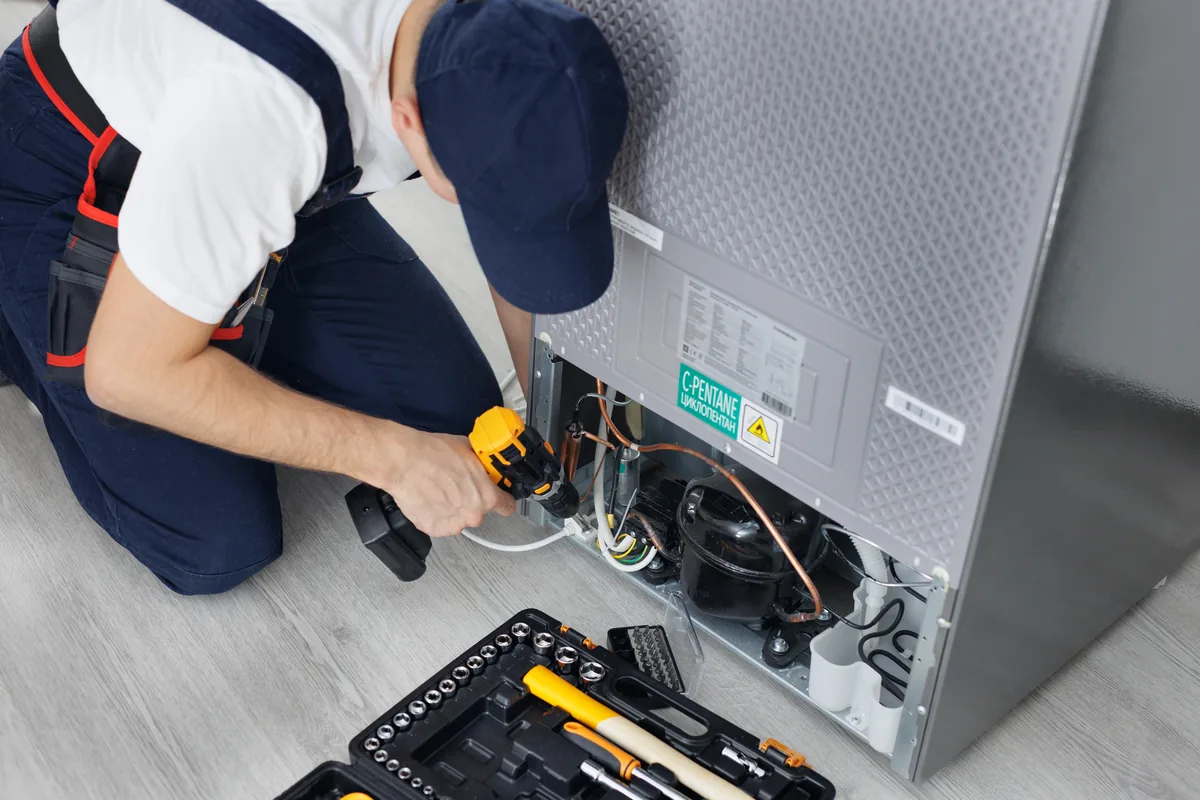
Tests the inlet valve coil, mold thermostat and wiring to separate a dead part from a supply problem.
Confirms the supply reaches the minimum of about 20 psi an ice maker valve needs.
Shows the real freezer temperature, because the dial rarely does. Ice makers want about 0°F to 5°F.
Fill tubes, supply lines and valves for the major refrigerator brands, so many fixes finish in one visit.
We follow EPA guidelines for refrigerant management during repairs, ensuring environmental safety.
Our technicians use industry-standard practices to ensure high-quality repairs and customer satisfaction.
We run a full fill-freeze-eject cycle where the model allows, and check every connection for leaks before we leave.
Flush a few gallons through the dispenser and give it 24 hours. If the bin is still empty, the filter may be air-locked, the tube frozen or the valve damaged by a surge. That is the point to call.
After months idle, a valve can stick and old water can leave scale. Clean the bin, run the fridge to temperature and flush the line before restocking. If the cubes are still small or missing, the valve usually needs replacing.
Shut off the supply valve behind the fridge first. A cracked fill tube, loose connection or frozen drain is the usual cause, and it can ruin flooring if it is left.
The same ice maker that works for years elsewhere meets hard water, long summers, storms and seasonal homes here. These are the local causes we check first.
Homes on wells, common in Lehigh Acres, Buckingham and Alva, often have mineral-heavy water. Minerals can clog the inlet valve screen and fill line, giving small or hollow cubes.
Lee County Utilities treats some of its water by lime softening or reverse osmosis, and it varies by plant. Cloudy ice from minerals is harmless, but a filter still needs changing on schedule.
An ice maker left idle all summer can have stale water, scale or a sticky valve. Many winter residents call us in the first weeks of the season.
Surges can damage the ice maker module or valve, and a long outage melts the bin into a block. Give it up to 24 hours after power returns, then call if there is still no ice.
Summer highs average about 91°F, and a hot garage or humid kitchen makes a freezer work harder. A freezer above about 10°F will not make ice reliably. See coastal homes for salt-air effects.
The ice maker was completely non-functional, leaving the homeowner without ice during a summer party.
After our repair, the ice maker produced ice consistently, providing the homeowner with enough ice for their guests.
Maintenance: Regularly check the water supply line to prevent future issues.
Water was pooling around the ice maker, causing damage to the kitchen floor.
We repaired the leak, and the ice maker now functions without any water issues.
Maintenance: Inspect seals and connections periodically to avoid leaks.
The ice maker had significant frost buildup, causing it to malfunction.
Post-repair, the ice maker operates smoothly with no frost buildup, producing clear ice.
Maintenance: Ensure proper ventilation around the ice maker to prevent frost.
These are the ice maker faults we are called about most, with the usual cause behind each.
Usually the freezer is too warm, the fill tube is frozen, the arm is up or the inlet valve has failed. We test each in turn rather than replacing the whole unit first.
Low water pressure, a clogged filter or a valve choked with minerals leaves the mold part-filled. An unlevel fridge can do the same.
A cracked fill tube, loose line, failing valve or frozen drain. Shut off the supply and call before it damages the floor.
Melt-and-refreeze from warm spells or a leaking door seal. On some French door models the ice room itself freezes, which needs the cause fixed, not just a defrost.
The dispenser and the ice maker share a supply but have separate paths. A frozen fill tube or a dead module is the usual cause.
An old filter, a dirty bin or strong-smelling food. A new filter and a cleaned bin fix most cases, and the first batches should be discarded.
$100 - $450 depending on scope
Most ice maker repairs in Fort Myers fall between $100 and $450. A water inlet valve is usually at the lower end, and a full ice maker assembly, especially an in-door French door unit, is nearer the top and can pass it. If the real cause is a warm freezer, the price follows that repair instead. You get a clear quote before any work begins.
A filter, fill tube or valve costs far less than an assembly. This is why we diagnose first.
In-door French door and some Samsung and LG units use more complex parts than a freezer-bin ice maker.
Mineral scale from well water can take a new valve with it. We may suggest a filter so it lasts.
On a fridge under about 10 years old, repair is usually worth it. If the repair costs more than half of a comparable new fridge, or the fridge also has cooling problems, we will say so.
If the freezer is too warm to make ice, the fix is on the cooling side. See thermostat repair and freezer repair.
When comparing companies, ask whether the diagnostic fee is credited toward the repair, and whether parts and labor are in the quote.
| Job | Typical range | What it depends on |
|---|---|---|
| Water inlet valve replacement | $105 to $205 | Valve type and how hard it is to reach |
| Ice maker assembly or module | $120 to $500 | Basic freezer-bin unit or in-door French door assembly |
| Water filter | Parts only | Brand-specific filter; most makers suggest about every 6 months |
General US market estimates from published cost guides (Fixr, EasyBear), not a Fridge Masters quote. Our quote comes after we diagnose your fridge.
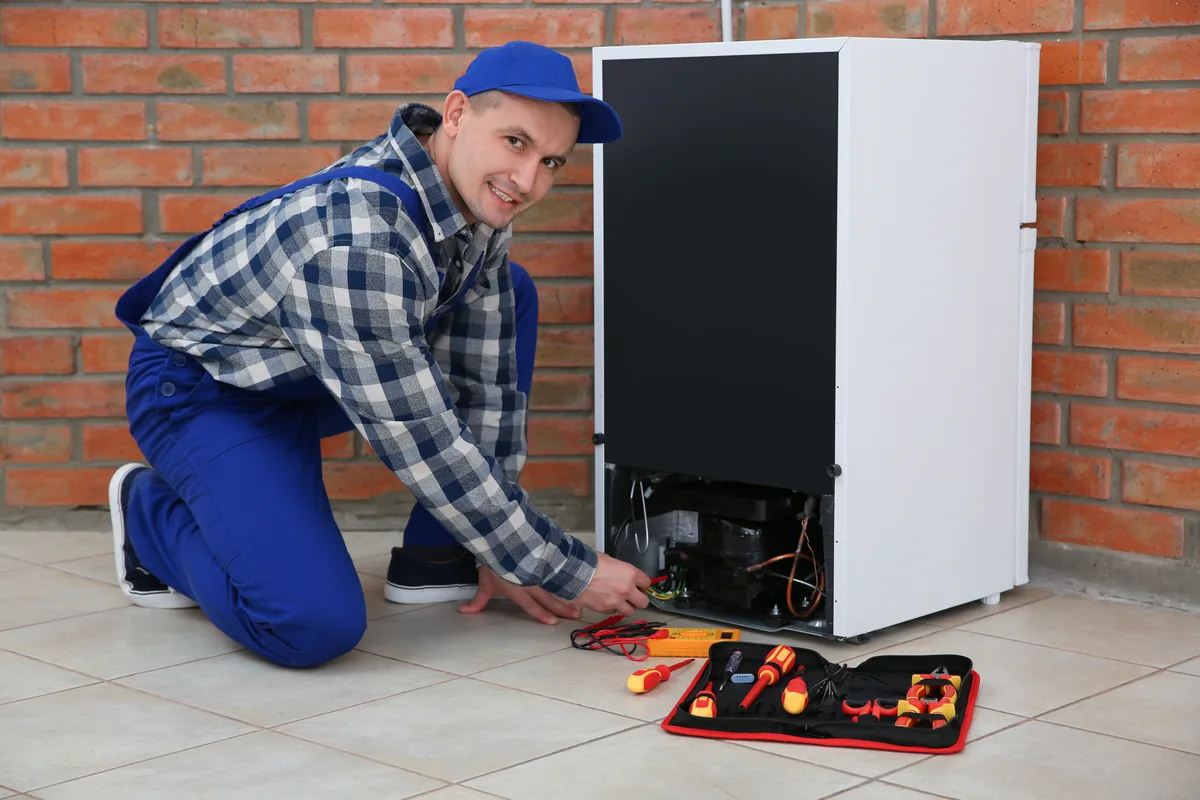
With 12 years of experience in ice maker repair, our team is equipped to handle a wide range of issues. We are certified and trained in the latest repair techniques and technologies.
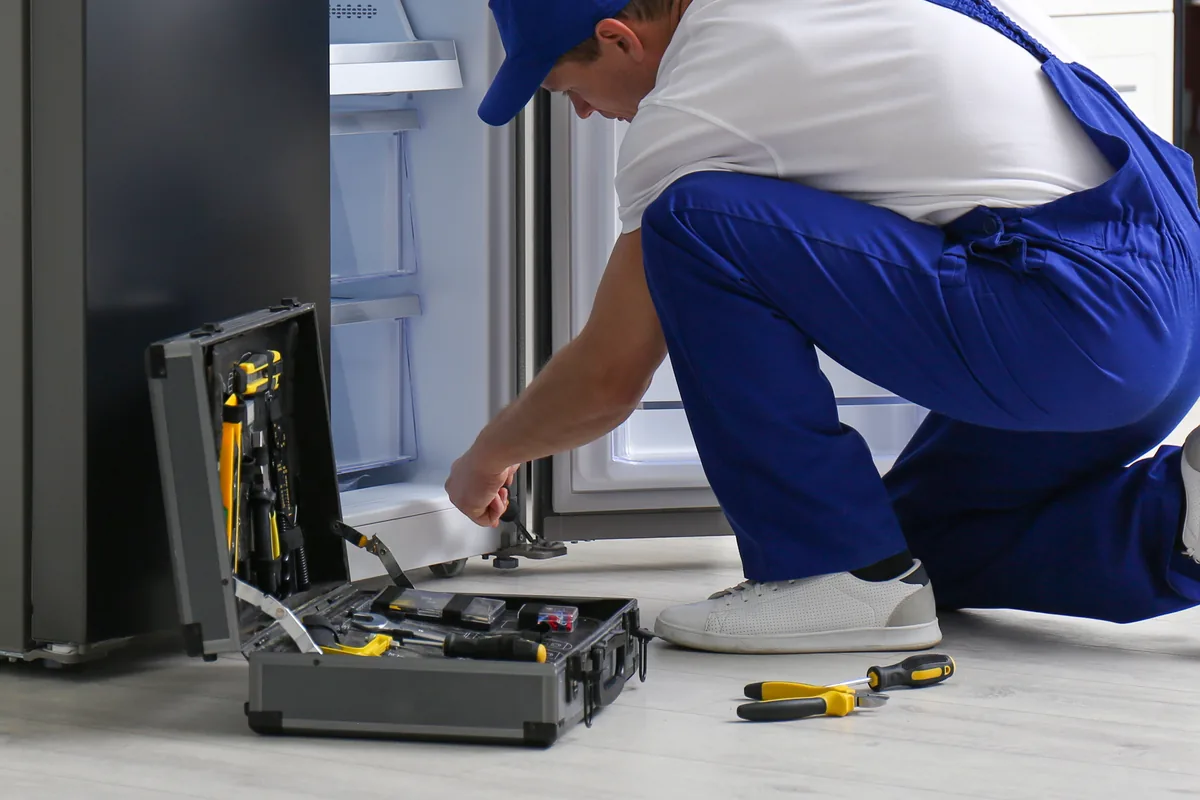
I had a great experience with the ice maker repair service. They were quick to respond and fixed my ice maker in no time! Highly recommend!
The team was very professional and knowledgeable. They diagnosed the issue with my ice maker quickly and provided a fair estimate. Excellent service!
My ice maker was leaking, and I called for help. The technician arrived promptly and resolved the issue efficiently. I'm very satisfied!
Check that it is switched on, the control arm is down, the freezer is near 0°F and the water supply is open. Ice production suffers when the freezer is above about 10°F. Then look for a frozen fill tube, an old filter or a failed inlet valve. If it is still empty after those checks, call us.
Usually yes on a fridge under about 10 years old, because the fault is often a filter, fill tube or valve, and those are far cheaper than a new fridge. If the repair costs more than half of a comparable new fridge, or the fridge also has cooling problems, replacing may make more sense. We tell you honestly.
Most ice maker repairs in Fort Myers cost between $100 and $450. A water inlet valve is usually at the lower end, and a full ice maker assembly can run higher, especially on in-door French door units. You get a quote before any work begins.
Yes. Most ice maker problems come from the water side, such as the filter, fill tube or inlet valve, and those can be repaired or replaced. On many refrigerators the ice maker assembly is sold as one unit, so if the unit itself has failed, the whole assembly is replaced.
The mold is not filling fully. The usual causes are low water pressure (below about 20 psi), a clogged filter or inlet valve, a kinked supply line, or a fridge that is out of level. Hard well water that scales the valve is a common cause in Fort Myers area homes.
They share a water supply but have separate paths. A frozen fill tube above the ice maker or a failed ice maker module is the usual cause. If you see ice around the fill tube, the ice maker is not getting water, and the cause of the freezing needs fixing too.
Air in the line, a filter that is not fully seated, or a filter that does not match the model can cut the water flow. Reseat the filter, flush a few gallons through the dispenser, and wait up to 24 hours. If the ice maker is still empty, the valve or line needs a look.
Allow up to 24 hours after an outage, a reset or a new install before judging it, and up to 48 hours to fill the bin. Discarding the first batch or two of ice is the usual manufacturer advice. If there is still no ice after 24 hours, there is likely a supply or hardware problem.
Shut off the water supply valve behind the fridge, dry the floor and call us. A cracked fill tube, loose connection, failing inlet valve or frozen drain are the usual causes. Water on a floor can damage flooring quickly, so do not wait.
The usual causes are an old filter, a dirty ice bin or strong-smelling food stored near the ice. Empty and wash the bin, replace the filter if it is older than about 6 months, and discard the first batches of new ice. Cloudy ice on its own is just minerals in the water and is harmless.
It is a widely reported problem on some French door models, where ice builds up around the ice room, drain or fill tube. Defrosting it can restore ice for a while, but if it keeps coming back the cause needs fixing. Parts available depend on your model, so give us the model number.
A surge can damage the ice maker module or the water inlet valve, and an outage melts ice into a block that jams the mold. Clear the bin, give it 24 hours after power returns, and call us if there is still no ice. If the fridge itself is warm, see our fridge cooling repair.
Minerals can scale the inlet valve screen and fill line, which cuts the water flow and leaves small or hollow cubes. Cloudy ice is just minerals and is harmless. Changing the filter on schedule helps, and we may suggest filtration if your water is very hard, which is common on private wells.
Many manufacturers suggest about every 6 months. A clogged filter reduces water pressure to the ice maker and dispenser, giving slow, small or hollow ice. Check your manual, because some models have a filter-change light.
Yes. We repair refrigerator ice makers across Fort Myers and nearby areas, including Cape Coral, Estero, Lehigh Acres, Bonita Springs and Fort Myers Beach. Give us the make, the model and the symptom when you call, and we check parts before the visit.
A sudden stop usually has a sudden cause. The arm got bumped up, a filter was changed, a power cut reset it, the fill tube froze or the inlet valve failed. Check those first. After an outage or a reset, give it up to 24 hours. If the dispenser still gives water but there is no ice, the module or the fill tube is the likely culprit.
Intermittent ice points to a marginal part. A fill tube that freezes and thaws, a valve that sticks, a freezer that wanders above 10°F or a weak water supply can all give you batches and then nothing. Note how long it runs before it stops. If a clogged filter or low pressure is the cause, a new filter often settles it for a few months.
A warm freezer is the top cause, because the ice maker needs the freezer near 0°F. Then check the filter, which slows the water when it is clogged, and the water pressure. Heavy use and a full bin also look like slow ice. If the freezer is at temperature and the filter is new, the inlet valve or the ice maker module may be weak.
Check the shut-off valve is open, the line is not kinked behind the fridge, and the filter is not clogged or air-locked. A frozen fill tube blocks water at the last step. If the dispenser also gives no water, the inlet valve or the supply is the problem. If the dispenser works, the fill tube or the ice maker's own path is blocked.
Water that reaches the mold but does not freeze means the freezer is too warm, or the mold is not cold enough, or the cycle never completes. Check the freezer is near 0°F and the door seal is good. A failed mold thermostat or ice maker module can also leave a full tray of water. If the freezer is cold, the module needs testing.
The ejector is not releasing the cubes. The cause can be ice frozen to the mold, a failed ejector motor or gear, a mold heater that has failed, or a control fault. A mold that is full of ice that has not released is a clue. Do not chip at it. A technician can test the heater and the motor, and fix what failed.
The cubes are being made but not released, or they are stuck. Look for ice frozen to the mold or the ejector, a jammed bin, or a bin sensor that thinks it is full. On many models, a failed mold heater means the cubes never loosen. If the bin is not full and the tray stays full of ice, the heater, motor or module needs testing.
On models with a feeler arm, raising it switches the ice maker off, and it may be stuck up because something is blocking it, because ice has built up around it, or because the arm or its switch has failed. Lower it gently and clear any ice or debris. If it will not stay down, or will not move, the arm or switch needs replacing.
An inlet valve that will not shut off is the usual cause, often with low water pressure, because the valve needs about 20 psi to close properly. A misaligned mold or a water-level setting can also overfill it. Shut off the supply and call us. An overfilling ice maker can flood a freezer and the floor, so do not leave it running.
The mold is not filling, or the cubes are not freezing fully before they release. Low water pressure, a clogged filter, a scaled valve or a freezer that is too warm are the usual causes. Check the freezer is near 0°F and replace an old filter. Homes on private wells see this often. If it persists, the valve needs checking.
Ice maker freezing is usually water in the wrong place. A leaking valve, a cracked fill tube, a worn door seal letting humid air in, or a drain that has frozen can all do it. On some French door models the ice room itself ices up. Thawing helps for a while, but the cause has to be found and fixed or it returns.
Signs include no ice with the water supply and freezer both fine, ice that never finishes a cycle, an ice maker that overfills, or a cycle that makes noise but no ice. Many models have a test button that forces a cycle, which helps. Rule out the filter, the supply and the freezer temperature first, because those are far more common than a dead ice maker.
Yes. On most refrigerators the ice maker is a module that can be replaced, though many are sold as a complete assembly rather than part by part. The right one depends on the brand and model, so the model number matters. Market prices for an assembly run roughly $120 to $500, and an in-door French door unit is nearer the top. We check the cause before replacing it.
Straight answers to what Fort Myers homeowners ask us about ice makers. Not seeing your question? Call and ask.
Ask the local teamLeaks, kinked lines and failed valves that starve the ice maker and dispenser of water.
View service
A freezer that is too warm will not make ice. We fix the cooling side when that is the cause.
View service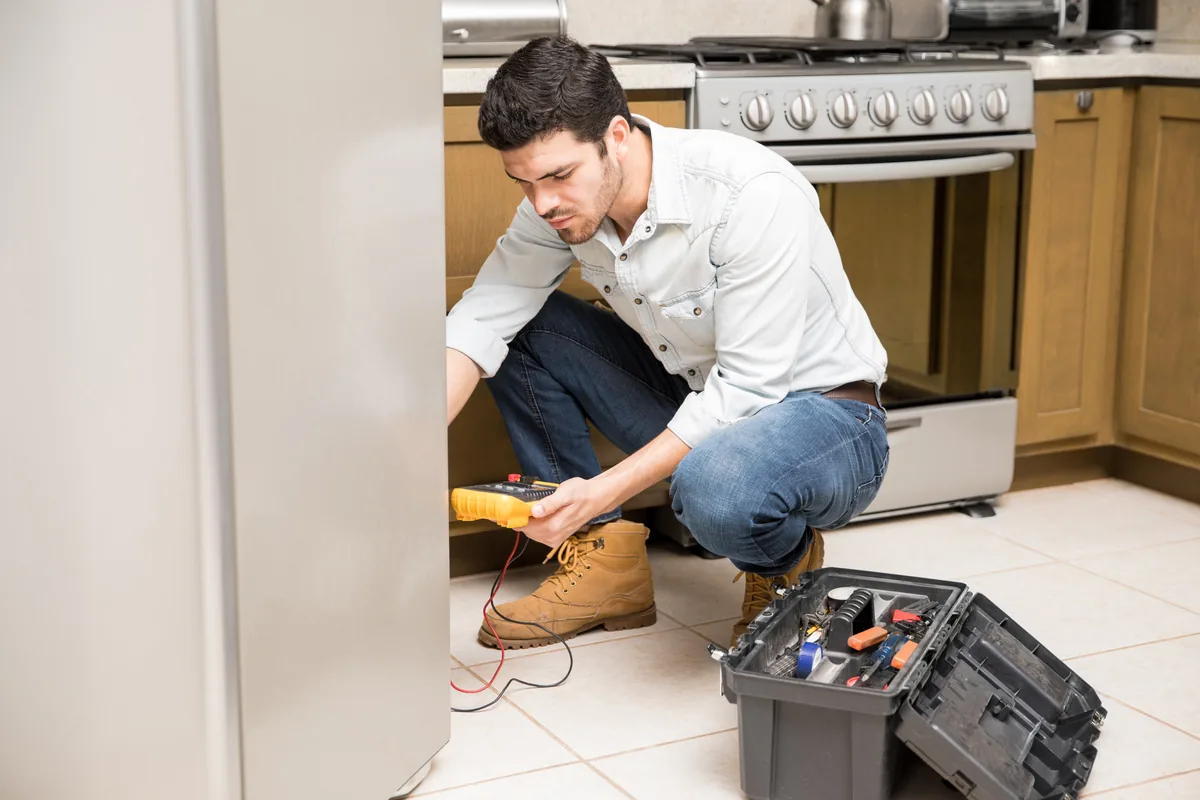
Temperature control faults that leave the freezer above the 0 to 5 degrees an ice maker needs.
View service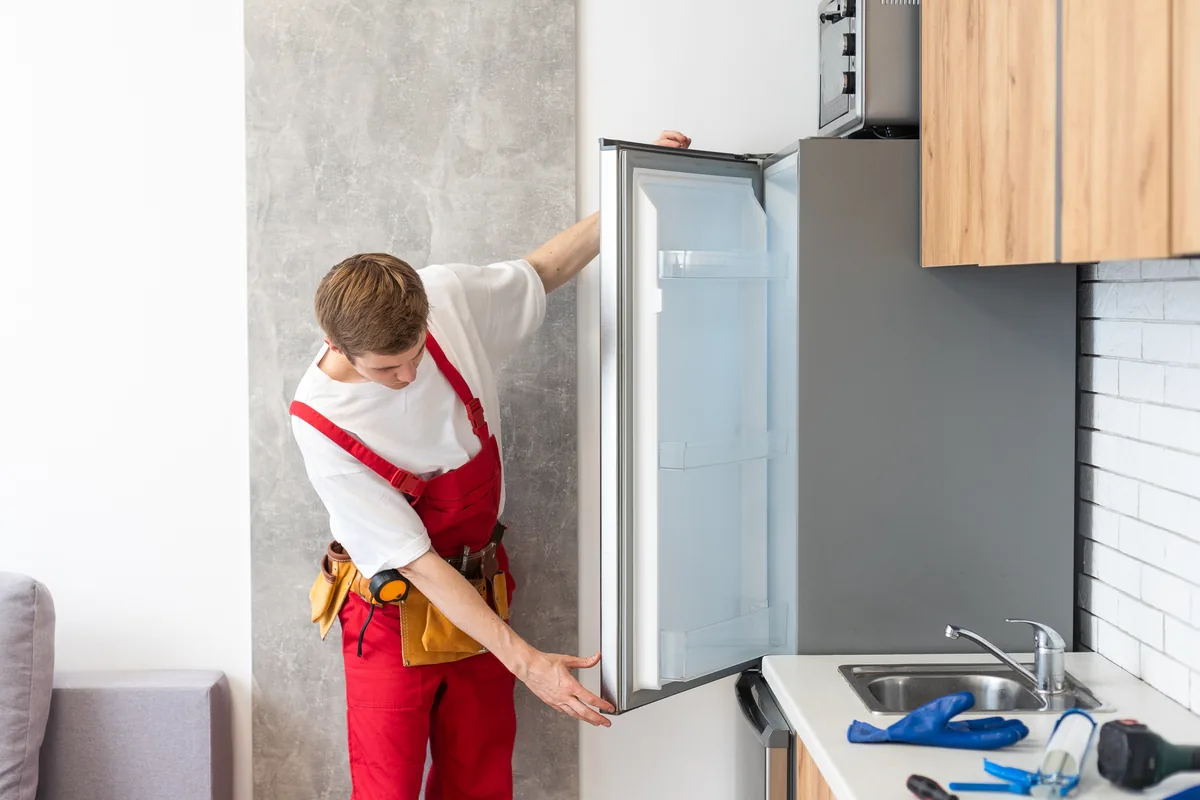
A leaking door seal lets warm air in, which fuses ice cubes and strains the freezer.
View service
We're here to assist you with any fridge repair needs. Our team responds promptly to inquiries and is available for service.


