
Focused arrival windows
Useful updates and clear arrival timing.
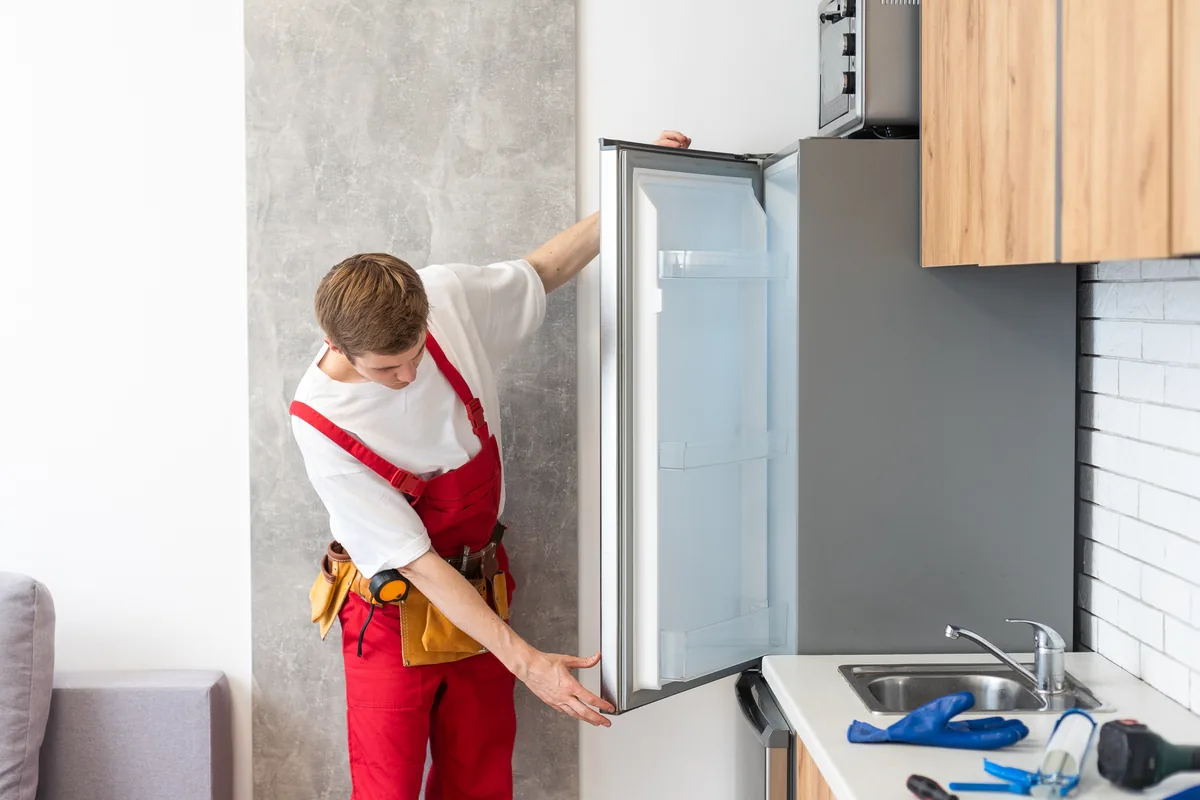
A door that will not close flat, frost around the edges, sweating doors, or a fridge that never stops running? A worn door seal lets warm, humid air in, so the fridge works harder and the food warms up. We check the seal, tell you whether it can be cleaned or reshaped, and replace it when it cannot. You get the price before any work begins.
Useful updates and clear arrival timing.
Review the approach and price before deciding.
Equipped vehicles and respectful cleanup.
Neighbors serving neighbors with follow-through.
Not every leaking door needs a new gasket. We check the seal and the door first, so you replace only what is worn.
We look for cracks, tears, hardening, gaps at the corners and mold in the folds, and we check whether the door is sagging, the hinges are loose or the fridge is out of level.
Gaskets are made for each model and come as push-in, screw-in or glued-in types. We order the correct one, so the corners and the magnet line up.
We clean the channel, relax the new gasket so it lies flat, and fit it from the top corners so there are no gaps. French door models may have several seals.
We test the seal with the dollar-bill test, then watch the temperatures to confirm the fridge holds 40°F or below and the freezer 0°F.
Tell us what is happening and get a clear next step from the local team.
A refrigerator door seal is a flexible gasket around the edge of the door, with a magnetic strip that pulls it tight against the cabinet. It keeps cold air in and humid air out. When it cracks, tears, hardens or warps, warm air leaks in. Energy.gov notes that worn gaskets let warm, moist air into the cold space, which raises energy use and can lead to food spoilage.
You often notice it in other ways first: frost building up around the door, water sweating on the outside, or a compressor that runs all day. A seal is one of the cheaper parts to replace, and replacing it early can save the compressor from extra work. But a door that will not seal can also be sagging, overloaded or out of level, so we check those too.
Unplug the fridge before you work near the door or the hinges. Our door seal guide explains how a replacement is done.
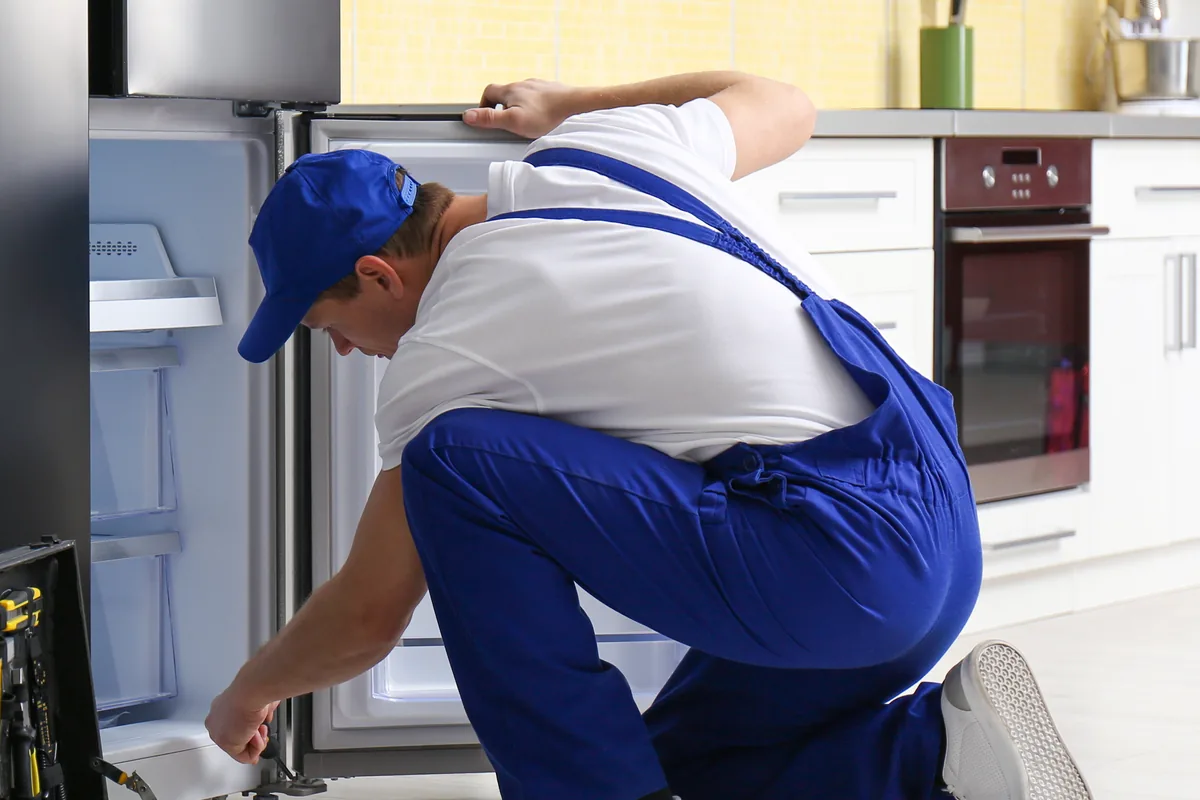
Match what you see to the usual cause. A seal problem often shows up somewhere else first.
| What you see | Usual cause | First check | Typical fix |
|---|---|---|---|
| Door will not close flat or pops open | Warped gasket, overloaded shelf, sagging door or fridge out of level | Check the shelf bins and the level | Reseat or replace the gasket; adjust the door |
| Frost around the door edge or inside | Humid air leaking in through a worn seal | Dollar-bill test around the edge | Replace the gasket |
| Water sweating on the outside of the door | Warm, moist air meeting a cold surface at a leaking seal | Wipe the gasket; dollar-bill test | Replace the seal |
| Fridge runs all the time, bills are high | Leaking gasket making the compressor work harder | Check the seal and clean the coils | Replace the gasket; clean coils |
| Cracked or torn gasket | Age, heat and dry-out | Look for splits at the corners and hinge side | Replace the gasket |
| Black mold in the folds | Moisture trapped in the gasket | Clean with warm soapy water | Replace if mold is inside a torn gasket |
| Gap at the corners | Gasket shrunk or came out of its channel | Press it back into the channel | Refit or replace |
| Food softening or spoiling early | Temperature rising because of a leaking seal | Thermometer reading; seal test | Replace the seal; check temperatures |
On the call we ask the make and model, which door is affected and what the seal looks like. A photo of the gasket helps us bring the right part.
We test the seal, check the door alignment and level, and look for the other causes of a door that will not seal.
Gaskets are specific to each model. We confirm the model number and match the type, push-in, screw-in or glued.
You hear the price first. If you approve, we remove the old gasket, clean the channel, relax the new one and fit it from the top corners.
We test the seal again and watch the temperatures, and we explain how to keep the new seal in good condition.
We check the seal all the way round, and use a light to find gaps you cannot see.
Shows whether the fridge holds 40°F or below and the freezer 0°F after the new seal is fitted.
Check the fridge is level and the door hangs correctly, because a sagging door defeats a new seal.
Replacement gaskets for the major brands, ordered to your model number.
We ensure all refrigerant handling and repairs comply with EPA regulations to protect the environment.
We follow specific manufacturer guidelines for seal replacement to ensure compatibility and performance.
We conduct thorough quality checks at each step to ensure the highest standards of service.
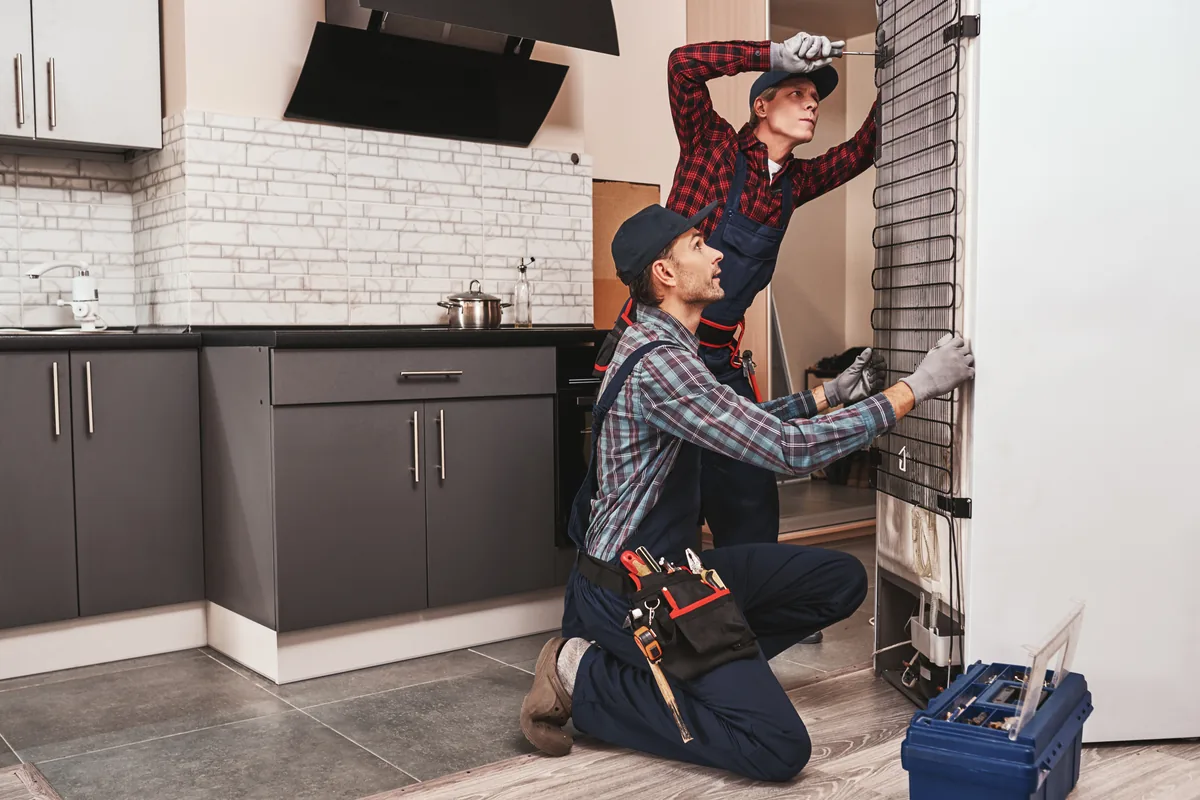
A door that pops open or leaves a gap lets warm air in all day. A cleaned seal that still will not grip is ready for replacing.
Those are the signs of humid air leaking in. They point to a seal problem, and they will keep returning until the gasket is replaced.
A leaking seal makes the compressor work harder. Replacing it is much cheaper than the extra wear it causes.
Humid air, heat and mold all age a gasket sooner here. These are the local reasons we check the seals on every visit.
Moist Florida air gets in at every leak, and it condenses inside and outside the fridge. A worn gasket turns that into frost, sweat and mold.
Average highs reach about 91°F from June to September. Heat dries out rubber and vinyl gaskets, so cracks appear sooner than in cooler places.
Warm, damp conditions help mold grow in gasket folds. Clean the gasket often, and replace it if mold is inside a tear.
A fridge in a hot garage works harder, and its gaskets bake and harden. Standard manuals often limit the room to roughly 55°F to 110°F.
A fridge left shut for months can trap moisture and grow mold in the seal. Clean it and check the gasket before you restock.
The refrigerator struggled to maintain a consistent temperature, causing food spoilage.
After the seal replacement, the temperature stabilized, maintaining a consistent 37°F.
Maintenance: Regularly check seals every six months to prevent future issues.
The homeowner noticed a significant increase in energy costs due to air leaks.
Post-repair, energy bills reduced by 15%, saving the homeowner $20 monthly.
Maintenance: Schedule annual maintenance to ensure seals remain in good condition.
Frost was accumulating in the freezer, blocking airflow and affecting cooling.
With new seals, frost buildup was eliminated, improving airflow and cooling efficiency.
Maintenance: Keep the freezer clean and check seals regularly for wear.
These are the seal problems we are called about most.
A warped or worn gasket, or a sagging door. We test the seal and the alignment and fix what is wrong.
Humid air leaking in builds frost. A new seal stops the source.
Warm moist air meets cold metal at a leak. We replace the seal and the sweating usually stops.
A leaking gasket makes the compressor work non-stop. We replace the seal and check the coils.
Age and heat split the rubber. We fit a correct replacement for your model.
Surface mold can be cleaned. Where it has got into the rubber, we replace the gasket.
$100 - $450 depending on scope
A single door seal is one of the lower-cost repairs, typically toward the bottom of our $100 to $450 range, and a simple one can come in below it. Models with several doors, such as French door fridges, cost more because each seal is replaced separately. You get a clear quote before any work begins.
A top-freezer has two seals, a French door fridge may have three or four, and each is priced separately.
Gaskets are made for each model, and some cost more than others. Your model number lets us check before we arrive.
Push-in gaskets are quick to fit. Screw-in and glued-in types take more time.
If the door is sagging or the hinges are loose, we fix that too, or the new seal will not last.
If the seal is only dirty or slightly deformed, cleaning or reshaping may restore it, and we tell you honestly.
When comparing companies, ask whether the diagnostic fee is credited toward the repair, and whether parts and labor are in the quote.
| Job | Typical range | What it depends on |
|---|---|---|
| Door seal (gasket), per door | $60 to $100 | Model and gasket type |
| Several doors on a French door fridge | Quoted by number of doors | Each seal is priced and fitted separately |
| Door alignment or hinge repair | Quoted after inspection | Only if the door is sagging |
General US market estimate from a published cost guide (Fixr), not a Fridge Masters quote. Our quote comes after we inspect your fridge.
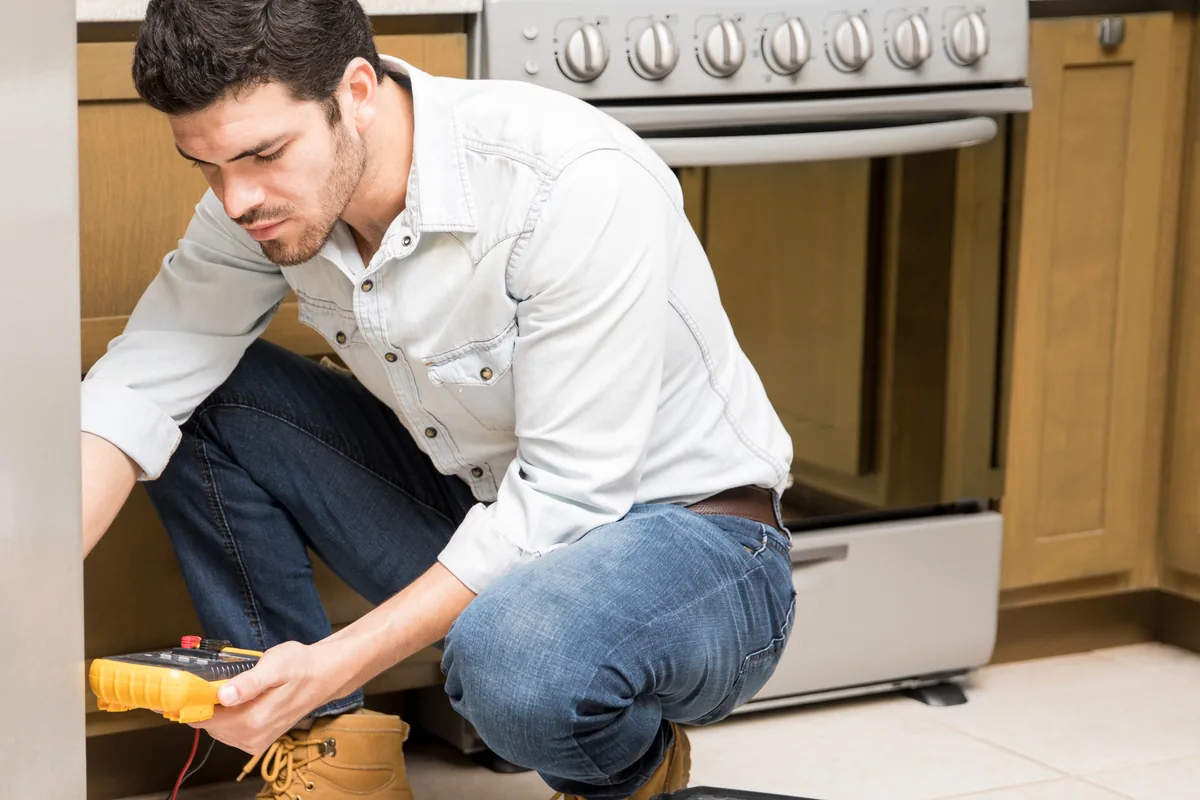
With 12 years of experience, we specialize in refrigerator seal replacement in Fort Myers. Our technicians are trained and certified to provide high-quality service.
I had a fantastic experience with the refrigerator seal replacement service. They were quick and professional, and now my fridge is working perfectly!
The team was knowledgeable and fixed my fridge seal in no time. I appreciated their attention to detail and the quality of their work.
Their service was excellent! The technician was prompt, and my refrigerator is running better than ever after the seal replacement.
Signs include a door that will not close flat, frost or sweat around the door, a gasket that is torn, cracked, hardened or moldy, and a fridge that runs constantly. The dollar-bill test is a good check. Close the door on a bill at several points. If it slides out easily, the seal is leaking there.
Close the fridge door on a dollar bill so half sticks out. Try to pull it out. It should grip firmly. Repeat at several points around the door. If the bill slides out easily at any spot, the gasket is not sealing there and may need cleaning, reshaping or replacing.
Published guides put a door seal at roughly $60 to $100, and most seal replacements in Fort Myers fall within $100 to $450 once labor and model are counted. A multi-door fridge costs more because each seal is replaced separately. You get a quote before any work begins.
Often yes. Wipe it with warm, soapy water and rinse, and avoid solvent cleaners and abrasives. Clean the cabinet edge too. If the gasket is cracked, torn, hardened or has mold inside the rubber, cleaning will not fix it and it needs replacing.
Humid air is leaking in through a worn seal and freezing. Wipe it dry, try the dollar-bill test and clean the gasket. If the frost keeps coming back, the seal needs replacing. Heavy frost on the freezer back wall is a defrost problem instead.
It can. Energy.gov notes that worn gaskets let warm, moist air in, which increases energy use. The compressor has to run longer to keep up, and the extra wear shortens its life. Replacing a leaking seal is much cheaper than a compressor.
Moist air condenses where warm air meets a cold surface, and a leaking seal makes it worse. Some sweating on a humid Florida day is normal. If the door is wet all the time or there is water inside, the gasket probably needs replacing.
Mold on a food-storage seal should be cleaned off, and surface mold usually washes off with warm, soapy water. If the mold is inside a torn or cracked gasket, or keeps returning, replace the gasket. Throw away any food that has touched visible mold.
Many gaskets are push-in and a careful DIY job is possible. Get the exact gasket for your model, relax it in warm water so it lies flat, and fit it from the top corners. Many people prefer a technician, who also checks the door alignment and the level.
It depends on the fridge, the room and how clean it is kept. Heat, humidity and dry-out shorten a gasket, so Florida fridges often need one sooner. Check it every few months, and replace it when it tears, hardens or stops gripping.
It may be, but check the load and the level first. A shelf bin sticking out can hold the door open, and a fridge out of level can swing the door open. Tilt the fridge slightly back so it closes by itself. If it still will not stay shut, call us.
Yes. A chest freezer lid gasket and a fridge freezer door seal wear out the same way. A leaking lid seal builds frost and makes the freezer run constantly. We replace seals on freezers as well as refrigerators.
Yes. We replace door and lid seals across Fort Myers and nearby areas, including Cape Coral, Estero, Lehigh Acres and Bonita Springs. Give us the make, the model and a photo of the gasket if you can, and we check the part before the visit.
Check the load and the level first. A shelf bin or a bottle sticking out can hold the door open, and a fridge that is out of level can swing it. A warped gasket, a sagging hinge or a door that has dropped can also stop it closing. Tilt the fridge slightly back so it closes by itself. If it still will not close, call us.
A worn, torn, hardened or dirty gasket is the usual reason, and a door that has sagged or a fridge out of level is the next. Clean the gasket with warm soapy water and try the dollar-bill test at several points. If the bill slides out easily, the gasket is not gripping and needs reshaping or replacing.
Yes. A leaking gasket lets warm, humid air in all day, so the fridge has to run to remove it. Frost and sweat appear around the door, and the compressor works harder. Try the dollar-bill test, clean the gasket, and replace it if it is torn or hard. It is one of the cheaper fixes for a fridge that never stops.
A door that does not seal, does not close fully or is opened often lets warm air in, and the fridge cannot keep up. Check the gasket, the hinges and the load, and clear anything holding the door open. If the fridge warms mostly near the door, or sweats around it, the seal is the suspect.
A catch, hinge cam or door stop that has shifted can stop the door closing. On some fridges, the door switch plunger or a handle latch jams. Look for something protruding that catches the cabinet, and check the hinge for a loose screw. If a part is bent or broken, it needs replacing, and we can do that.
A fridge that is not level, with the front tilted forward, lets the door swing open. A weak or warped gasket, a sagging door or an overloaded shelf bin can also push it open. Level the fridge and tilt it slightly back. If the gasket is no longer pulling the door shut, it needs replacing.
Some sweating on a humid Florida day is normal, as warm moist air meets a cold surface. If it is constant, or water collects inside, a leaking gasket is the likely cause. Wipe the gasket, try the dollar-bill test and check the door closes fully. Some fridges also have anti-sweat heaters, which can fail.
Straight answers to what Fort Myers homeowners ask about refrigerator door seals. Not seeing your question? Call and ask.
Ask the local teamSettings and temperature checks after a new seal is fitted.
View serviceFrost that keeps returning can be a defrost fault, not a seal.
View service
Lid and door seals on chest and upright freezers.
View service
Seals, coils and settings that affect running cost.
View service
We're here to assist you with any fridge repair needs. Our team responds promptly to inquiries and is available for service.


