
Focused arrival windows
Useful updates and clear arrival timing.
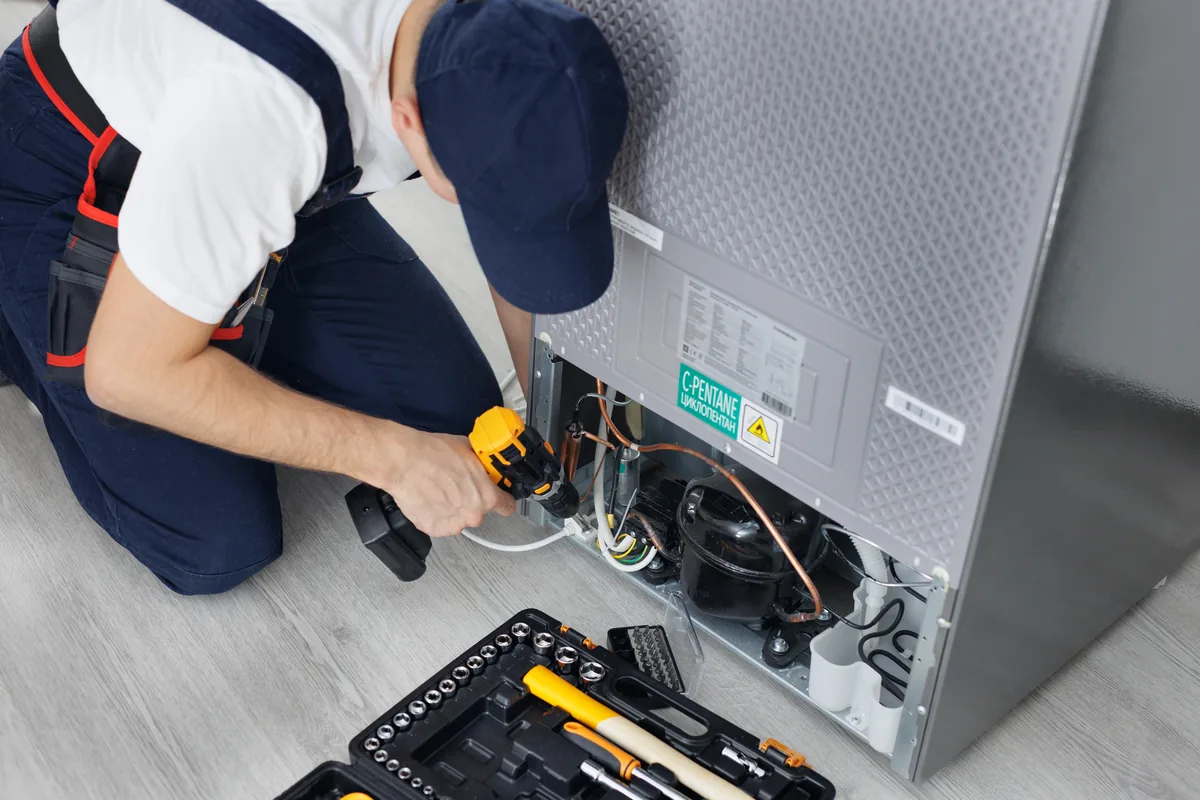
Thick frost on the freezer back wall, a fridge that warms while the freezer stays cold, or water pooling under the crisper drawers? The cause is usually the defrost system around the evaporator coil, not the coil itself. We find the failed part, whether a heater, sensor, timer or drain, and quote the price before any work begins.
Useful updates and clear arrival timing.
Review the approach and price before deciding.
Equipped vehicles and respectful cleanup.
Neighbors serving neighbors with follow-through.
Frost on the coil is a symptom. We find out why the ice built up, or you will be back in a few weeks with the same problem.
We look at the evaporator coil, the evaporator fan and the air path between the freezer and the fridge to see where the cold air is being blocked.
The defrost system has a heater, a sensor or thermostat, a timer or control board, and a drain. We test each one to find which has failed.
A clogged or frozen defrost drain sends meltwater into the crisper drawers or onto the floor. We clear it and fix why it froze.
If the coil itself is leaking or damaged, that is a sealed-system repair and is quoted separately. We tell you honestly if it is worth doing.
Tell us what is happening and get a clear next step from the local team.
The evaporator coil sits behind the freezer back wall. Cold refrigerant passes through it, and a fan blows air across it, then sends that cold air into the freezer and, through a vent, into the fridge. A self-defrosting fridge melts the frost off the coil every few hours. When a defrost part fails, frost builds up, blocks the airflow, and the fridge section warms while the freezer stays cold.
The defrost system has four main parts: a timer or control board that decides when to defrost, a sensor or thermostat that checks the coil temperature, a heater that melts the ice, and a drain that carries the water away. Any one of them can fail, and a door seal that lets humid air in can overload the system too. Finding which part has failed is what stops the problem coming back.
Unplug the fridge before reaching into the freezer back panel. Our freezer warning signs guide shows what normal and abnormal frost looks like.
Match what you see to the usual cause. Frost is a clue, and where it appears tells us where to look.
| What you see | Usual cause | First check | Typical fix |
|---|---|---|---|
| Thick frost on the freezer back wall | Failed defrost heater, sensor or timer | Check the door seal; note how fast frost returns | Test and replace the failed defrost part |
| Fridge warm, freezer cold | Frost blocking airflow, or a failed evaporator fan or stuck damper | Check for frost; listen for the fan | Defrost fault repair or fan replacement |
| Water pooling in the crisper drawers | Clogged or frozen defrost drain | Look for ice around the drain at the freezer floor | Clear and fix the drain |
| Sheet of ice on the freezer floor | Frozen drain; meltwater has nowhere to go | Do not chip; let it melt | Clear the drain and fix the freezing |
| Frost keeps coming back after a defrost | A defrost part has failed; the defrost only reset the problem | Time how long before it returns | Full defrost system diagnosis |
| Loud humming that stops when the door opens | Evaporator fan hitting ice | Listen at the freezer back wall | Clear the ice and fix the cause |
| Frost on door seals and walls | Humid air leaking in through a worn seal | Dollar-bill test | Door seal replacement |
| Food freezing in the fridge | Damper or sensor sending too much cold air | Move food from the back vent | Replace the damper or sensor |
On the call we ask the make and model, where the frost is, how fast it returns and whether the freezer stays cold.
We look at the vents, the evaporator fan and the door seals, because humid air and blocked airflow are common causes.
We test the heater, the sensor or thermostat and the timer or control, and we check the drain for ice.
You hear which part failed, the price and any option to replace the fridge. If you approve, we replace the part and clear the ice.
We confirm cold air is reaching the fridge and explain what to watch over the next few days while it settles.
Tests the defrost heater and sensor for continuity, which shows an open or failed part.
Shows whether the freezer is at 0°F and whether the fridge is cooling past 40°F.
We confirm cold air reaches the fridge section and that the defrost drain is clear.
Defrost heaters, sensors and fans for the major brands, so many repairs finish in one visit.
We adhere to EPA regulations during all repairs, ensuring safe handling of refrigerants and environmental protection.
Our technicians use industry-standard practices to ensure high-quality repairs and customer satisfaction.
We perform thorough diagnostic testing to identify the root cause of cooling issues before repairs are made.

That means a defrost part has failed. A manual defrost only resets the clock, so frost returns until the failed part is replaced.
Blocked airflow from frost is a leading cause. A quick diagnosis tells you whether it is the defrost system, the fan or the damper.
A clogged defrost drain can pool water or build a sheet of ice. It is a simple repair when caught early, and it can ruin flooring if it is not.
Humid air is the biggest local factor, along with outages and heat. These are the local reasons we check the whole defrost path.
Each time a door opens, humid Florida air flows in, and that moisture freezes onto the evaporator coil. A worn gasket makes it much worse.
Busy kitchens, guests and holiday cooking mean more door openings. Overfilled shelves also block the vents that carry cold air.
A long outage melts ice into the drain pan and can refreeze as a block. After power returns, check for pooling water and frost.
A garage fridge works hard in summer heat, and some standard manuals limit the room to roughly 55°F to 110°F. Frost and ice-maker faults are common there.
Near the Gulf, damp salty air adds to the moisture load and speeds corrosion on the coil. A seal and coil check helps coastal fridges.
A customer reported their freezer was filled with frost, making it hard to store food properly.
After our repair, the evaporator coil was functioning correctly, eliminating frost and restoring proper cooling.
Maintenance: We advised regular cleaning and monitoring of the temperature to maintain performance.
A homeowner complained about loud noises coming from their refrigerator, indicating a potential evaporator coil issue.
After diagnosing and repairing the coil, the refrigerator operated quietly and efficiently.
Maintenance: We recommended periodic inspections to catch any issues early.
A business owner faced temperature fluctuations in their commercial refrigerator, risking food spoilage.
We repaired the evaporator coil, stabilizing the temperature and ensuring food safety.
Maintenance: Regular checks and maintenance were advised to prevent future issues.
These are the frost and defrost faults we are called about most.
A failed heater, sensor or timer leaves frost on the coil. We test each part and replace the one that failed.
Frost blocks the air that should flow into the fridge. A failed fan or damper can do the same, and we tell which it is.
The defrost drain is blocked or frozen. We clear it and find out why it froze.
A frozen drain sends meltwater to the floor where it refreezes. Thawing it and fixing the cause stops it returning.
The evaporator fan is hitting ice. We clear it and fix the defrost fault that built it up.
A defrost part has failed. We diagnose it properly so you do not defrost every few weeks.
$100 - $450 depending on scope
Most evaporator and defrost repairs in Fort Myers fall within $100 to $450, depending on which part failed and how hard it is to reach. A leaking evaporator coil is a sealed-system repair and is quoted separately, since it can cost much more. You get a clear quote before any work begins.
A drain clear or a sensor is a small repair. A heater or timer costs a little more. A leaking coil is a major one.
Some fridges make the freezer back panel easy to remove, and some do not. Access affects labor time.
French door and some built-in models use specific defrost parts that cost more to source.
A defrost repair on a fridge under about 10 years old is usually worth doing. On an older one with other faults, we compare with replacement.
If a coil has been punctured, repair can cost near a new fridge. See compressor and sealed-system repair.
When comparing companies, ask whether the diagnostic fee is credited toward the repair, and whether parts and labor are in the quote.
| Job | Typical range | What it depends on |
|---|---|---|
| Evaporator-related repair (fan, sensor, drain) | $120 to $200 | Part and how hard it is to reach the panel |
| Defrost heater, sensor or timer | Quoted after diagnosis | Brand, model and part availability |
| Leaking coil or sealed-system repair | $500 to $1,000+ | Often near the price of a new fridge |
General US market estimates from published cost guides (Fixr, EasyBear), not a Fridge Masters quote. Defrost part prices vary widely by brand. Our quote comes after we diagnose your fridge.

With 12 years of experience in the field, our team is equipped with the knowledge and skills necessary for effective refrigerator evaporator coil repair.
I had issues with my refrigerator not cooling properly. The team quickly diagnosed the evaporator coil problem and had it fixed the same day. Highly recommend their services!
Fridge Masters provided excellent service when my commercial refrigerator's evaporator coil failed. They were prompt, professional, and got my business back up and running in no time.
I was impressed with how quickly they responded to my call. The technician was knowledgeable and fixed my fridge's evaporator coil efficiently. Great experience!
A thick layer of frost usually means the defrost system has failed. The heater, the defrost sensor or thermostat, or the timer or control board is not melting the ice off the coil. A thin, even film is normal. A technician can test each part to find the failed one.
Frost on the evaporator coil can block the air that flows into the fridge section, and a failed evaporator fan or stuck damper can do the same. Look for frost on the freezer back wall and listen for the fan. If there is heavy frost, a defrost part has failed.
A manual defrost clears the ice but does not fix the part that failed, so the frost returns. If it comes back within days or weeks, a defrost heater, sensor or timer needs replacing. A proper diagnosis is cheaper than defrosting again and again.
We do not recommend it. A hair dryer can melt plastic and damage wiring. The safe method is to unplug the fridge, move food to a cooler, leave the doors open and put towels down. Never chip at the ice with a sharp tool, because a punctured coil is a costly repair.
The defrost drain is usually clogged or frozen, so meltwater cannot leave the fridge. It then runs into the fridge section and pools in the drawers. A sheet of ice on the freezer floor is the same fault. We clear the drain and find out why it froze.
Most evaporator and defrost repairs in Fort Myers cost between $100 and $450. A drain clear or sensor is at the lower end. A leaking evaporator coil is a sealed-system repair and can cost $500 or more. You get a quote before any work begins.
That pattern usually means the evaporator fan is hitting ice built up on the coil. Opening the door stops the fan, which stops the noise. It points to a defrost problem. Switch the fridge off if the noise is loud and call us.
Yes. Each door opening lets humid air in, and the moisture freezes onto the coil. A worn door gasket makes it much worse. Try the dollar-bill test and wipe the seals clean. Heavy frost that keeps returning is a defrost fault, not just humidity.
Signs include a fridge that never cools properly, no frost at all, a hissing sound or an oily residue. A leak is a sealed-system fault and needs a technician. It is often near the cost of replacing the fridge, and we give you both numbers.
Usually yes on a fridge under about 10 years old, because a heater or sensor is a modest repair. On an older fridge, or if the coil is leaking, replacing may make more sense. We tell you honestly.
A long outage melts frost into the drain pan, and the water can pool or refreeze as a block. Clear any ice you can safely reach, let the freezer defrost and check the drain. Call us if frost or pooling water returns after power is back.
More often it is a stuck damper or temperature sensor sending too much cold air, not the coil. Move food away from the back vent and wait 24 hours. If it keeps freezing, see our thermostat repair page, or call us to test the damper and sensor.
Yes. We repair refrigerator defrost systems and evaporator faults across Fort Myers and nearby areas, including Cape Coral, Estero, Lehigh Acres and Fort Myers Beach. Give us the make, the model and where the frost is when you call.
If the fridge freezes up again after you defrost it, a defrost part has failed, airflow is restricted, the temperature control is wrong or a door seal is leaking. Defrosting only resets the clock. Note how long it takes to return, since a few days points to a failed defrost heater or sensor.
Ice on the back wall is frost from the evaporator behind it, and thick ice means the defrost system has failed or moist air is getting in. A worn door seal, a door left open or a failed defrost heater, sensor or timer are the usual causes. It blocks the airflow and warms the fridge, so it should be fixed, not just chipped away.
A thin film is normal. Thick frost means moisture is getting in or the defrost has failed. Check the door or lid seal first, because a worn gasket lets humid air in. Then look at the defrost heater, sensor and timer. Frost that keeps returning is a sign a part has failed.
Yes. A coil buried in frost cannot absorb heat or pass air, so the freezer may stay cold for a while while the fridge warms, and then everything warms. The frost is a symptom of a failed defrost part or a leaking seal. Defrosting temporarily fixes it, but the cause has to be repaired.
Yes. Cold air has to travel from the evaporator through vents and ducts. Frost, a food package against a vent or a blocked air duct stop it, so the fridge warms even though the freezer works. Clear the vents, and look for frost behind the freezer back panel. If frost is the cause, a defrost part has failed.
Yes, it is one of the most common causes. The defrost system has a heater, a sensor or thermostat, a timer or control and a drain. If any part fails, frost builds on the evaporator, the airflow is blocked and the fridge warms. A technician tests each part to find which one has failed.
Yes. The heater melts frost off the evaporator. If it fails, frost builds up, blocks the airflow and the fridge warms while the freezer may stay cold for a while. A multimeter test shows an open heater. Replacing the heater, and clearing the ice, usually restores cooling. It is a modest repair on most fridges.
Yes, on fridges that have one. The timer or control decides when to run the defrost cycle. If it sticks, the heater never runs and frost builds, or it runs too long. Many newer fridges use a control board for this instead. Tests tell us which, and replacing the timer or board part fixes it.
Moist air is reaching the evaporator and freezing, and the defrost cannot clear it. A worn door seal, frequent opening, a failed defrost part or a blocked drain are the usual causes. Clearing the vents helps briefly, but the frost returns until the cause is fixed. If the vents ice up repeatedly, call us.
Straight answers to what Fort Myers homeowners ask about frost and evaporator coils. Not seeing your question? Call and ask.
Ask the local teamThe evaporator fan moves cold air to the fridge. When it fails, the fridge warms.
View service
Freezers with frost, warm spots or defrost faults.
View service
A worn seal lets humid air in and builds frost.
View service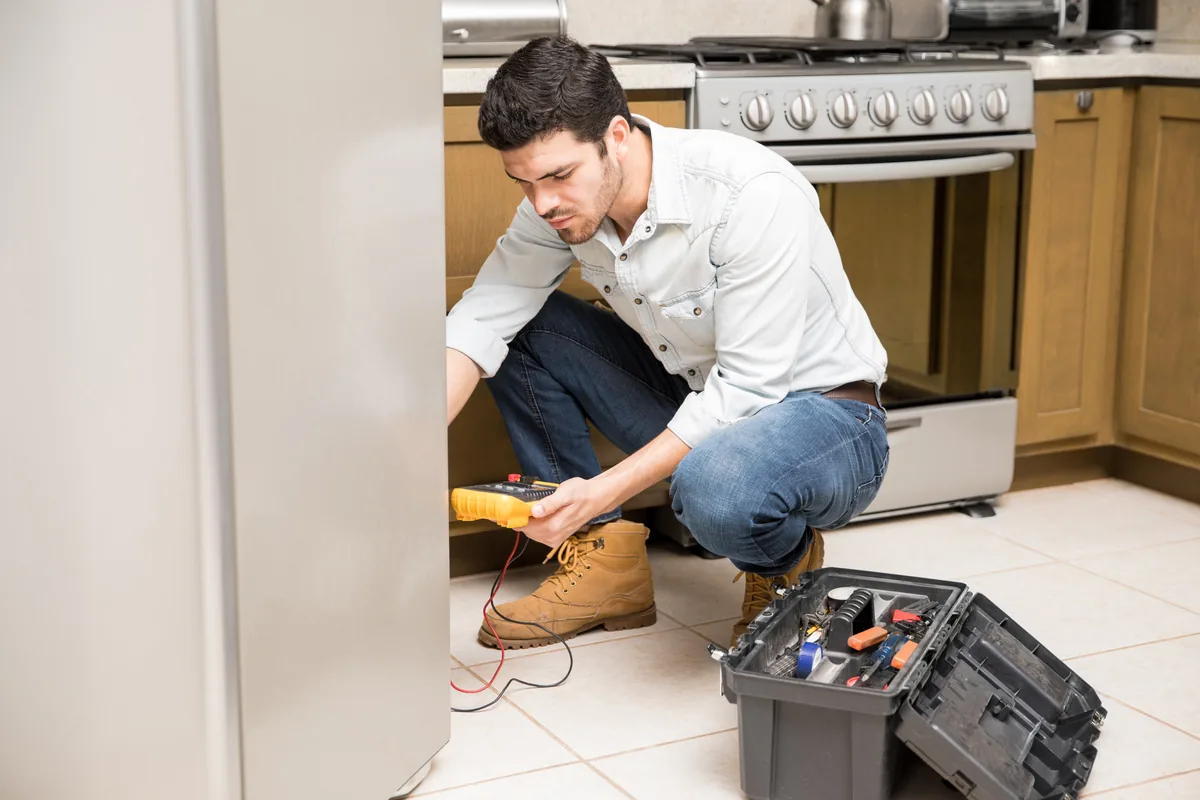
Control and sensor faults that mimic a defrost problem.
View service
We're here to assist you with any fridge repair needs. Our team responds promptly to inquiries and is available for service.


