
Focused arrival windows
Useful updates and clear arrival timing.

Most refrigerator failures give warnings: dusty coils, a worn seal, a drifting temperature, a slow filter. A maintenance visit finds those early, while the fix is small and the food is still safe. We clean the condenser coils, check the seals and the temperature, look at the water and drain parts, and leave you with a short written summary. You get the price before any work begins.
Useful updates and clear arrival timing.
Review the approach and price before deciding.
Equipped vehicles and respectful cleanup.
Neighbors serving neighbors with follow-through.
We check the parts that wear first, in the order that matters most for a Fort Myers fridge.
We clean dust and pet hair from the coils, which lets the fridge shed heat and protects the compressor. Dirty coils are a common cause of hot, constantly running fridges.
We measure the real fridge and freezer temperatures, compare them with 40°F and 0°F, and calibrate or reset the controls where the model allows.
We check the door seals for leaks and wear, and the defrost drain, the drip pan and the water line and filter for leaks or blockages.
You get a simple summary of what we checked, what we found and what to watch or repair next, so nothing is left to guesswork.
Tell us what is happening and get a clear next step from the local team.
A refrigerator works every hour of every day, and most of its failures start small. Dust builds on the coils, a gasket slowly stops sealing, a filter clogs, a drain begins to block. Energy.gov advises keeping the coils clean, making sure the door seals are airtight, and leaving a few inches of air space behind the fridge. Those jobs take little time, but they are easy to forget.
In Fort Myers, with long summers and humid air, a fridge has less margin for error. A leaking gasket turns into frost, sweat and mold. Dusty coils become a compressor that runs hot. A maintenance visit does not stop every breakdown, but it finds the common causes while they are still cheap to fix, and it gives you a baseline for the fridge.
Unplug the fridge before reaching near coils or fans. Our maintenance guide covers the checks in more detail.
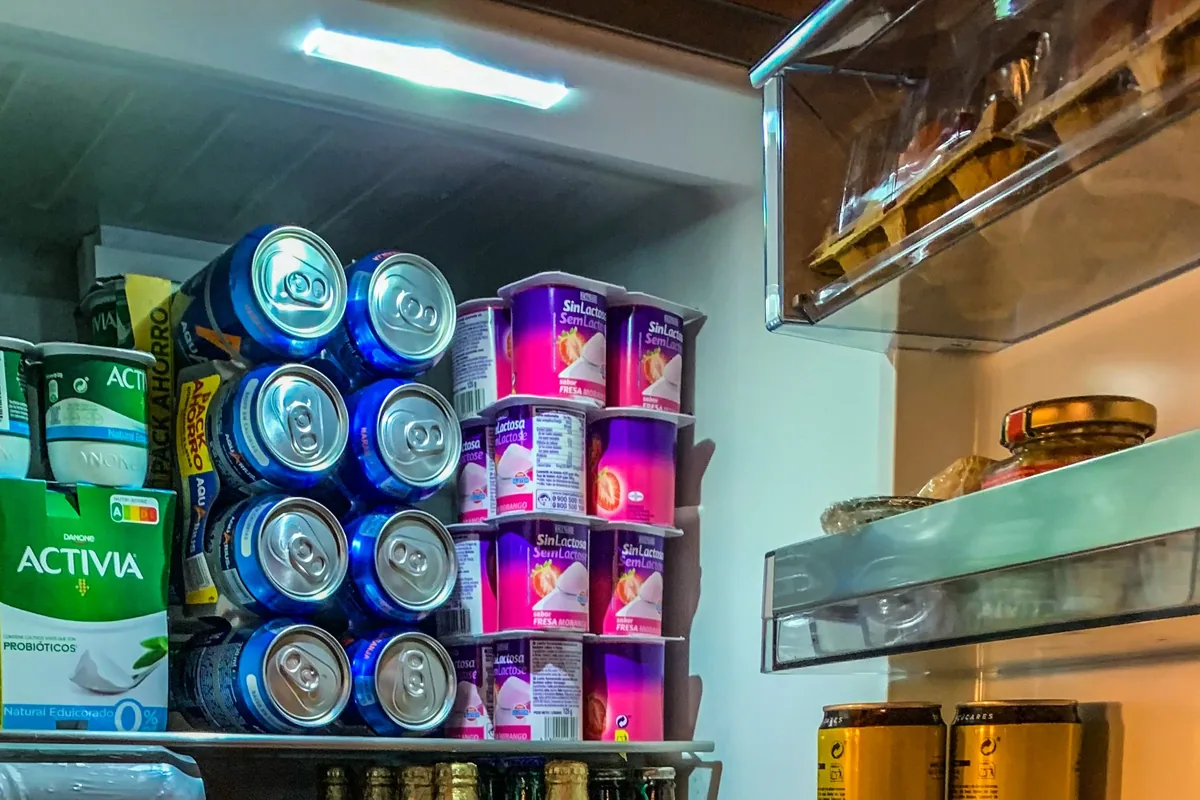
These are the checks that keep a fridge healthy, how often to do them, why they matter and who should do them.
| Task | How often | Why it matters | DIY or technician |
|---|---|---|---|
| Clean condenser coils | Every 3 to 6 months with pets or dust; at least yearly otherwise | Clean coils shed heat better and protect the compressor | DIY if comfortable; technician for hard-to-reach coils |
| Check door seals | Every few months | Leaking gaskets add load and cause frost and sweat | DIY check; technician to replace |
| Check temperatures | Monthly, and after any outage | Fridge at 40°F or below, freezer at 0°F, keeps food safe | DIY with a thermometer |
| Replace water filter | About every 6 months, or as the maker advises | Clogged filters slow water and ice | DIY |
| Clear defrost drain and drip pan | Yearly, or if water pools | Blocked drains cause pooling water and smells | Technician for the drain |
| Check supply line and valve | Yearly | Worn lines leak behind the fridge | Technician |
| Level the fridge and leave air space | Yearly | Door sealing and airflow depend on it | DIY |
| Clean out and wipe the interior | Weekly clear-out; deeper clean every few months | Spills cause smells and mold | DIY |
On the call we ask the make, the age and any symptoms, so we know what to look at first.
We measure the fridge and freezer temperatures and inspect the seals, the coils, the drain and the water parts.
We clean the condenser coils and check the drip pan and drain, and clear anything blocked.
If we find a failing part, such as a seal, a fan or a thermostat, we explain it and quote the repair first. We do not replace anything without your approval.
You get a short summary of what we found and what to watch, and when the next check is worth doing.
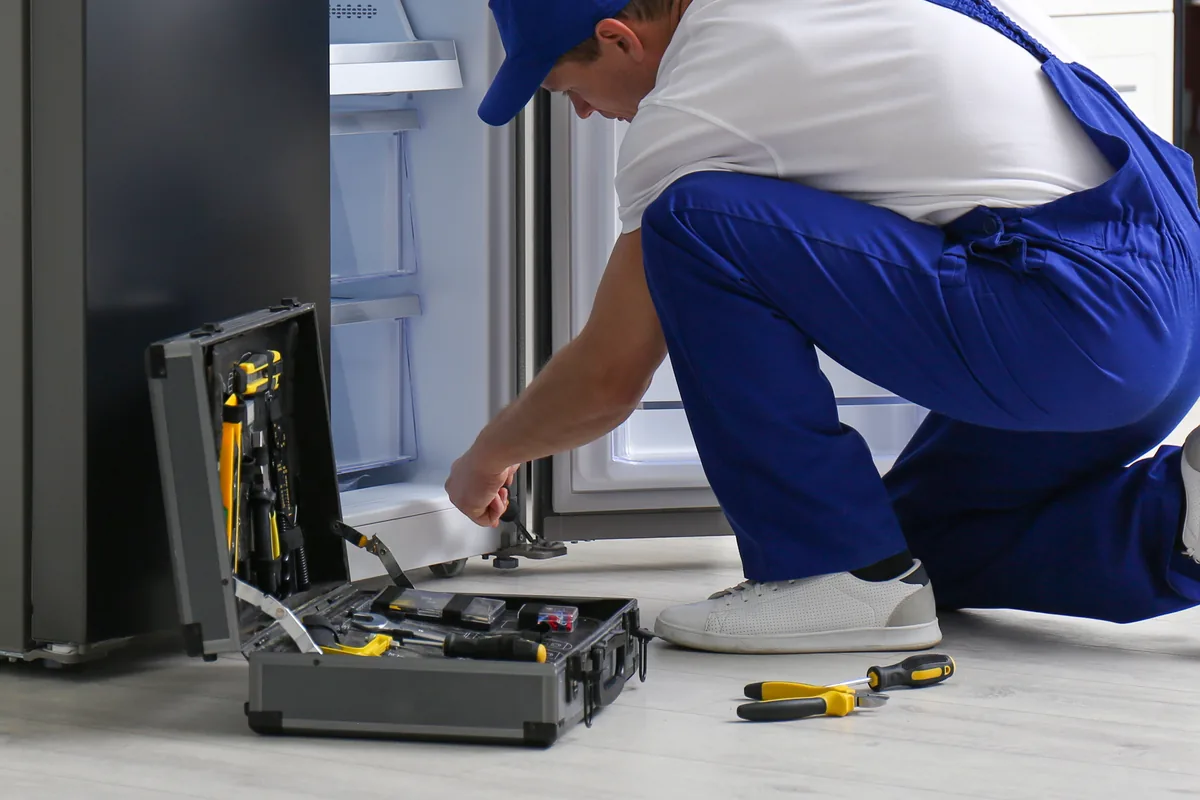
Show the real temperatures, which the dial rarely does.
Remove dust and pet hair from the condenser coils without bending them.
Tests controls, sensors and fans when a check shows something is off.
Gaskets, filters and common small parts for the major brands, so a small repair can be done at the visit.
We follow EPA standards for refrigerant handling and environmental safety.
Our technicians use NATE certified practices to ensure high-quality service.
We focus on preventive maintenance to catch issues before they become major problems.

Hot weather is the hardest on a fridge. A coil clean and a seal check in spring lowers the risk of a breakdown in July.
A fridge that has been closed or off needs checking before it is restocked. We check the seals, the temperatures and the water parts.
Surges and long outages can stress a fridge. A check confirms it is holding temperature, and finds damage early.
Heat, humidity, storms and part-year living all make routine care more important here. These are the local reasons we recommend a yearly check.
Average highs reach about 91°F from June to September. A fridge works hardest then, and dusty coils make it harder still.
Moist air gets in at worn seals and turns into frost, sweat and mold. A seal check catches it early.
Some standard manuals limit the room to roughly 55°F to 110°F. A garage fridge needs coil cleaning and good airflow more often.
A surge can damage controls, and every restart after an outage stresses the compressor. We check that the fridge still holds temperature.
A fridge left for months can have stale water, scale or a stuck valve. A check before you restock avoids a nasty surprise.
Customer reported excessive frost buildup in their freezer, causing efficiency issues.
After maintenance, the frost was eliminated, and the freezer maintained a consistent temperature of 0°F.
Maintenance: Regular checks every six months prevent future frost issues.
Fridge was fluctuating between 40°F and 50°F, risking food safety.
Post-service, the fridge consistently holds a temperature of 37°F.
Maintenance: Annual thermostat calibration ensures accurate temperature control.
Customer had water pooling under their fridge, indicating a leak.
Leak was fixed, and the area was cleaned, preventing mold growth.
Maintenance: Regular seal checks help prevent leaks from reoccurring.
These are the small problems that a maintenance visit often catches before they become breakdowns.
The fridge runs hot and long. A coil clean cuts the load and protects the compressor.
Frost, sweat and a fridge that runs constantly. We find the leak before it spoils food.
A fridge slightly above 40°F spoils food early. We measure and reset it, and check the control.
An old filter or a kinked line. A new filter and a line check restore flow.
Water pooling in the drawers or ice on the freezer floor. We clear the drain.
A fan that is slowing or noisy can be caught early and replaced before the fridge warms.
Quoted by scope, after a call
A maintenance visit is quoted by the fridge and what it includes, before any work begins. It is a planned visit, not a repair. If we find a part that needs replacing, such as a seal, a fan or a thermostat, we quote it separately and only with your approval. Most of those repairs fall within $100 to $450.
One fridge is simple. A fridge plus a garage freezer or a wine cooler takes longer.
Coils at the back or underneath, and the room around them, affect how long cleaning takes.
A fridge with a dispenser and ice maker has more to check, including the line and filter.
An older fridge with a known fault gets a closer look and a more honest conversation about repair versus replacement.
A worn seal, fan or thermostat is quoted separately and only with your approval.
When comparing companies, ask whether coil cleaning, the drain and a written summary are part of the visit.
| Job | Typical range | What it depends on |
|---|---|---|
| Maintenance visit | Quoted by the visit | Number of units, access and what is included |
| Door seal if it needs replacing | $60 to $100 | Model and number of doors |
| Thermostat or fan found worn | $95 to $280 | Part, brand and access |
The seal and part figures are general US market estimates (Fixr, EasyBear), not a Fridge Masters quote. Maintenance is quoted by the visit after we know the fridge.

With 12 years of experience, our team is trained and certified in all aspects of fridge maintenance services.
I had a great experience with the fridge maintenance services. The technician was prompt and thorough, and my refrigerator is running perfectly now!
The team was professional and fixed my fridge issues quickly. I highly recommend their maintenance services!
After the maintenance service, my fridge is more efficient and quiet. I appreciate their attention to detail!
A good maintenance visit cleans the condenser coils, checks the door seals, measures the fridge and freezer temperatures, and inspects the defrost drain, the drip pan, the water line and the filter. We also check fans and controls for wear, and leave you a short written summary.
Once a year suits most fridges, ideally before summer. Households with pets or dusty kitchens may need the coils checked every 3 to 6 months. A garage or second fridge in a hot space benefits from coil cleaning more often.
In a normal home, routine cleaning is not always needed, but households with pets, heavy kitchen traffic or dust should inspect and clean the coils every 3 to 6 months. Unplug the fridge first, brush the dust off carefully and vacuum it up.
It can. Clean coils and tight seals help the fridge run less, and small faults caught early are cheaper than a breakdown. Energy.gov recommends keeping the coils clean and the seals airtight. We cannot promise a percentage saving, because it depends on the fridge.
The FDA says 40°F or below for the fridge and 0°F for the freezer. Energy.gov suggests roughly 35°F to 38°F for the fridge. We measure the real temperature with a thermometer, set it correctly and check that it holds.
Many manufacturers suggest about every 6 months, or when the fridge shows a filter-change light. An old filter slows the water and ice and can cause leaks. Replace it with the right one for your model and flush a few gallons through.
Yes. Hot weather is the hardest on a fridge. A coil clean, a seal check and a temperature check in spring lowers the chance of a breakdown in July, when a repair is least convenient and food spoils fastest.
Yes. A fridge left idle can have stale water, scale, a stuck valve or mold in the gasket. A check before you restock covers the seals, the temperatures and the water parts, and catches problems before you load it.
Often a fridge that works fine is still collecting dust and wearing seals. A maintenance visit costs less than an emergency repair, and gives you a baseline. If the fridge is under about 8 years old and healthy, a yearly check is plenty.
Many tasks are DIY: clearing out, wiping spills, checking temperatures, changing the filter and cleaning easy-to-reach coils. Unplug the fridge first. A technician is useful for hard-to-reach coils, the drain, the water line and testing parts you cannot see.
It is a planned check, not a repair. If we find a failing part, we explain it and quote the repair separately. We do not replace parts without your approval, and we will tell you honestly if a fridge is near the end of its life.
Yes. Wine coolers and garage fridges and freezers need the same coil, seal and temperature checks, and a hot garage makes them more important. Tell us what you have when you call and we plan the visit.
Yes. We maintain refrigerators across Fort Myers and nearby areas, including Cape Coral, Estero, Lehigh Acres and Bonita Springs. Give us the make, the model and the age of the fridge when you call.
Straight answers to what Fort Myers homeowners ask about fridge maintenance. Not seeing your question? Call and ask.
Ask the local teamA deeper clean for odors, mold and sticky shelves.
View service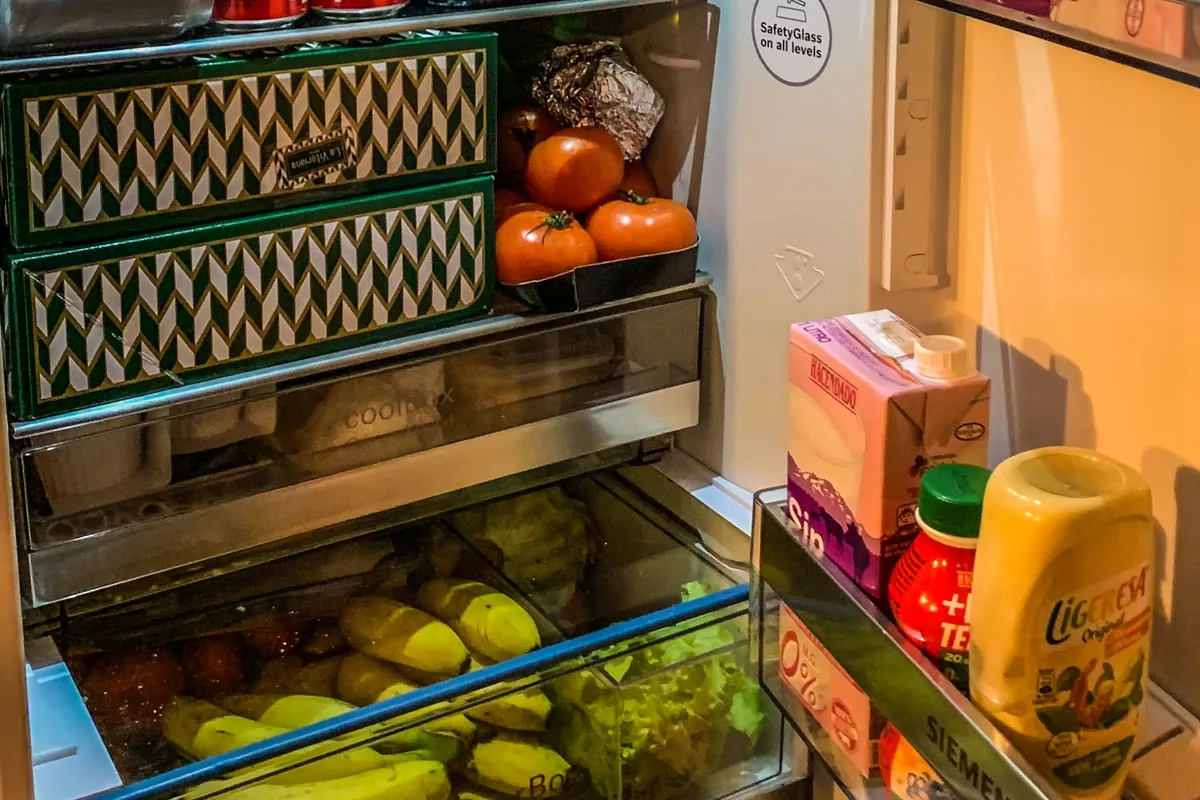
A closer look at where your fridge uses extra energy.
View service
When a seal check finds a gasket that needs replacing.
View serviceSettings and calibration when the temperature drifts.
View service
We're here to assist you with any fridge repair needs. Our team responds promptly to inquiries and is available for service.


