
Focused arrival windows
Useful updates and clear arrival timing.
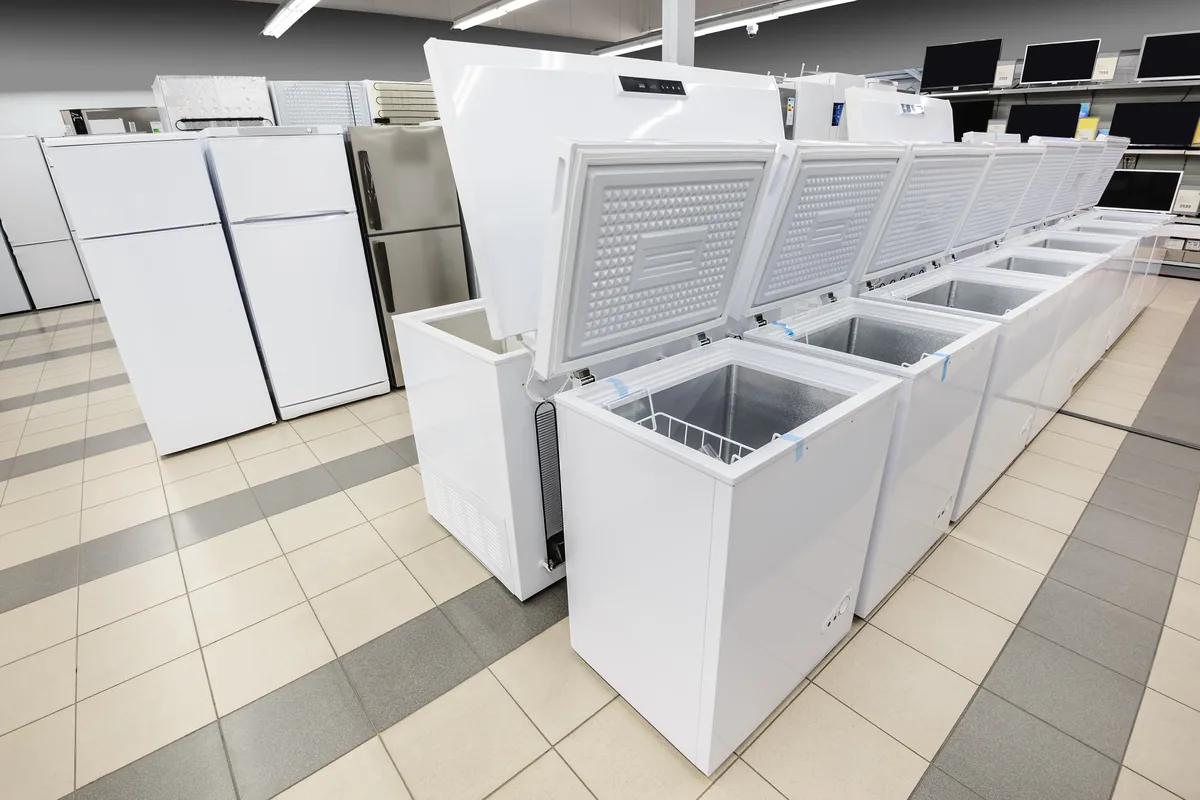
Walk-in cooler warming up, a display case that will not hold temperature, or a reach-in that keeps tripping? In a restaurant, shop or café, a failing cooler puts stock and inspections at risk. We diagnose the fault, fix it as fast as we can, and tell you honestly if a unit is near the end of its life. You get the price before any work begins.
Useful updates and clear arrival timing.
Review the approach and price before deciding.
Equipped vehicles and respectful cleanup.
Neighbors serving neighbors with follow-through.
We repair the cooling side of walk-in coolers, display cases and reach-in units, and we keep the focus on holding safe temperatures.
We measure real temperatures, then check airflow, the evaporator coil, the condenser, fans, gaskets, controls and the sealed system, to find the root cause.
We replace failed components such as compressors, thermostats, fans and gaskets, and we tell you what is worth replacing on an older unit.
Dust and grease on the condenser, and ice on the evaporator, are common causes of warm temperatures. We clean and clear them.
We confirm the unit is cooling and heading to a safe temperature, and give you a clear note on what to watch.
Tell us what is happening and get a clear next step from the local team.
In a business, a cooler is not just an appliance. The FDA Food Code, which Florida follows, requires cold time- and temperature-controlled food to be held at 41°F or below. Florida inspectors treat improper cold holding as a high-priority violation, and inspection reports regularly list walk-in coolers running too warm. A failing cooler can mean lost stock and a citation.
Commercial units run harder than home fridges. Doors open all day, kitchens are hot, and coils clog with dust and grease. Common faults are worn gaskets, frosted evaporator coils, dirty condensers, clogged condensate lines and failed fans. We look for those first, and tell you honestly if the compressor or the unit is the problem.
For a business emergency, see our emergency refrigerator repair page, and our commercial repair guide.
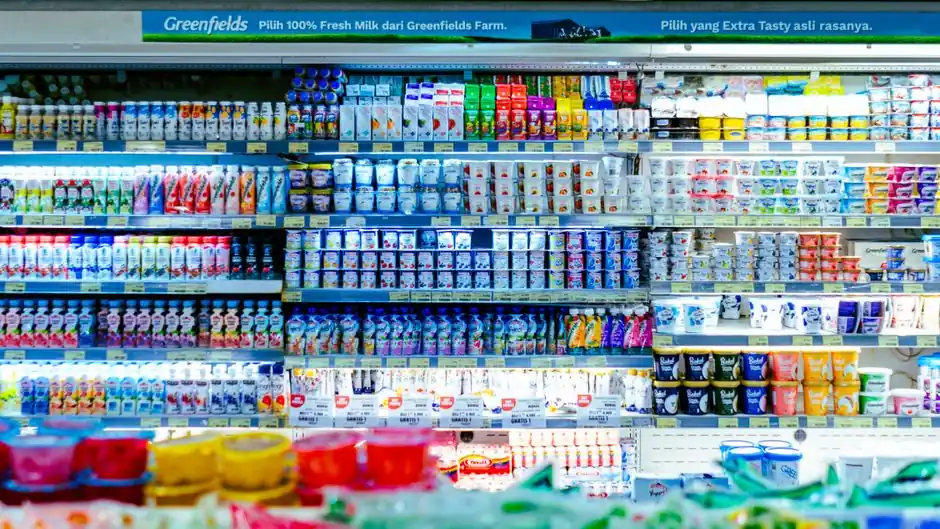
Match what you see to the usual cause. Temperature is the priority, so the quickest checks come first.
| What you see | Usual cause | First check | Typical fix |
|---|---|---|---|
| Walk-in cooler warming up | Door gasket, frozen evaporator coil, dirty condenser or a refrigerant problem | Check the door seal; look for frost on the coil | Seal, defrost or condenser repair; leak check |
| Frost or ice on the evaporator coil | Failed defrost, blocked airflow or a leaking door | Look at the coil; check the door | Defrost repair; fix the air leak |
| Water on the floor | Clogged condensate line or drain | Check the drain and the pan | Clear and fix the line |
| Display case will not hold temperature | Dirty coils, failed fan, door or thermostat | Clean the coils; check the fan | Fan, thermostat or coil service |
| Compressor runs constantly | Dirty condenser, hot kitchen, low refrigerant | Look at the condenser for dust and grease | Clean the condenser; leak check |
| Compressor short-cycles or will not start | Start relay, capacitor or a failing compressor | Listen for clicking or humming | Replace relay or capacitor; test compressor |
| Reach-in door will not seal | Worn gasket or sagging door | Dollar-bill test; look at the hinges | Gasket replacement; door adjustment |
| Unit dead after an outage | Surge damage to the relay, control or board | Check the power; reset the breaker | Replace the damaged part |
On the call we ask the type of unit, the make and model, the temperature and what you see. Tell us if stock is at risk.
We advise you on keeping food safe, and on moving it while the unit is repaired.
We measure temperatures, then check the door and gaskets, airflow, the evaporator, the condenser, fans, controls and the sealed system.
You hear the cause, the parts and the price, including the option of replacing an old unit. If you approve, we repair it.
We confirm the unit is cooling and heading to a safe temperature, and give you a note on what to watch.
Measures the real temperature against the 41°F cold-holding limit, because the unit display can be wrong.
Tests relays, capacitors, fans, thermostats and the compressor circuit.
Clean condensers and clear evaporators, and check airflow through the unit.
Gaskets, fans, relays and thermostats for common commercial units, so many repairs finish in one visit.
Regular maintenance checks that identify potential issues before they escalate into major problems, ensuring longevity.
Thorough diagnostic testing helps pinpoint specific issues quickly, allowing for efficient repairs.
We adhere to industry standards and practices to ensure all repairs are performed safely and effectively.
Move the most perishable stock, and call us the same day. Cold food held above 41°F is a high-priority violation, and spoilage is expensive.
These are early warnings. Fixing a gasket, a defrost fault or a drain early is far cheaper than a spoiled walk-in.
A pre-inspection check of the temperatures, the gaskets and the coils can find problems before an inspector does.
Heat, kitchens, coastal air and storms push commercial units hard here. These are the local reasons we check the whole system.
Average highs reach about 91°F from June to September. A hot kitchen and a propped-open door make condensers run hard and coils clog faster.
Restaurants and shops are busiest from winter into spring. A cooler that fails in a full dining room costs the most, so prevent it.
Fort Myers Beach, Cape Coral and the Gulf side see more corrosion on coils and fittings. A yearly clean and check helps units last.
Outages can last days. When power returns, surges can damage relays and boards, and stock needs checking before it is served.
Kitchens add grease to dust on condensers, and boxes blocking fans cut airflow. Both are routine causes of warm coolers.
A local restaurant's commercial refrigerator was unable to maintain the required temperature, leading to spoiled food and lost revenue.
After our intervention, the refrigerator maintained a consistent temperature of 34°F, ensuring food safety and quality.
Maintenance: Regular maintenance checks every six months will help prevent future issues.
A grocery store experienced excessive frost buildup in their freezer, causing airflow issues and increased energy costs.
Post-repair, airflow was restored, and energy costs decreased by 20% within a month.
Maintenance: Monthly cleaning of the coils will help maintain efficiency.
A café reported water pooling around their refrigerator, risking damage to the flooring.
After fixing the leak, the area was dry, and the refrigerator operated without issues.
Maintenance: Regular inspections can catch leaks before they become problematic.
These are the commercial refrigeration problems we are called about most.
Gaskets, a frozen coil, a dirty condenser or a refrigerant problem. We find which, and fix it fast.
A failed defrost or a leaking door. We clear the ice and fix the cause.
Dirty coils, a failed fan or a thermostat. We test and repair the failed part.
A blocked condensate line or drain. We clear it and find out why it clogged.
A relay, capacitor or compressor. We test the cheap parts first and tell you honestly about the compressor.
Worn gaskets let warm air in. We replace them and check the door alignment.
Quoted after diagnosis
Commercial units vary too much to publish a single range. The price depends on the type of unit, the part and how hard it is to reach, and we quote it after the diagnosis and before any work begins. Smaller repairs such as gaskets, fans and relays are usually modest. A compressor or sealed-system repair on an older unit can approach the cost of replacing it, and we will tell you.
A reach-in is simpler than a walk-in, and a large walk-in takes more time and parts.
A gasket, relay or fan is a small repair. A compressor or a refrigerant leak is a major one.
An urgent call can cost more at many companies. Ask about any extra charge when you call.
An older unit may be near the end of its life. We compare the repair with replacement honestly.
Rooftop condensers, tight kitchens and units behind equipment take longer to reach.
When comparing companies, ask whether the diagnostic fee is credited toward the repair, and whether parts and labor are in the quote.
| Job | Typical range | What it depends on |
|---|---|---|
| Gasket, fan, relay or thermostat | Quoted after diagnosis | Unit type, part and access |
| Compressor or sealed-system repair | Quoted after diagnosis | Often near the cost of replacing an older unit |
| Pre-inspection temperature and gasket check | Quoted by the visit | Number and type of units |
We do not publish commercial price ranges, because they vary too widely by unit. Every job is quoted after the diagnosis and before any work begins.
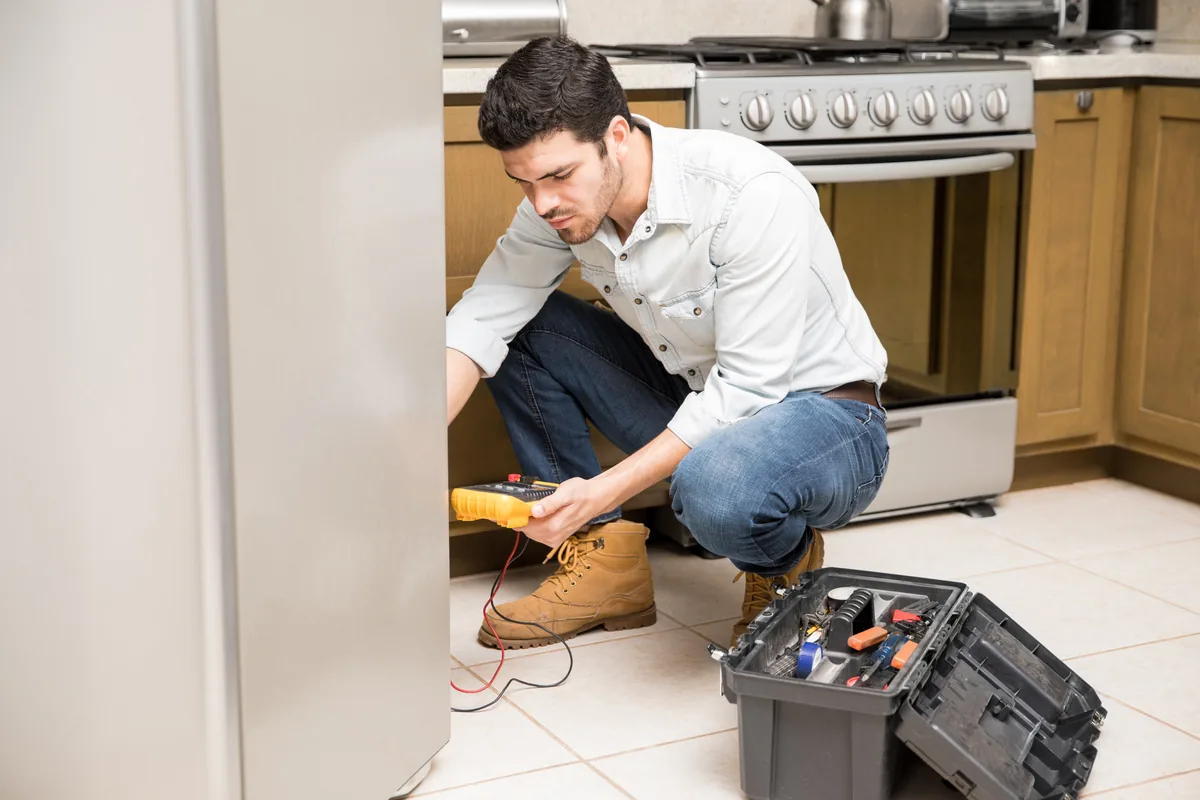
With 12 years of experience since 2014, we have honed our skills in commercial refrigerator repair, ensuring top-tier service for our Fort Myers clients.

Fridge Masters saved our restaurant during a busy weekend when our commercial fridge broke down. Their quick response and expert repair kept us running smoothly!
The team at Fridge Masters was professional and efficient. They diagnosed the problem quickly and had our fridge up and running in no time.
I highly recommend Fridge Masters for commercial refrigerator repair. They were knowledgeable, friendly, and their pricing was fair.
The FDA Food Code, which Florida follows, requires cold time- and temperature-controlled food to be held at 41°F or below. Florida inspectors treat improper cold holding as a high-priority violation. Use a calibrated thermometer, because the unit display can be wrong.
Check the door and the gasket, and whether boxes are blocking the evaporator fan or vents. Look for frost on the coil and for a dirty condenser. Move the most perishable stock to another unit or coolers with ice, and call us the same day.
The common ones are worn door gaskets, frosted evaporator coils, dirty condenser coils, clogged condensate lines, failed fans, and thermostat or refrigerant problems. Many are quick fixes if caught early.
The usual causes are a failed defrost system, blocked airflow, or a leaking door letting humid air in. We clear the ice, find the failed part and fix the air leak, so it does not come back.
Coolers change. A gasket tears, a coil frosts, a condenser clogs or a fan fails. Warm temperatures between inspections are a common finding. A check of the temperatures and the gaskets before an inspection can catch problems early.
Move the most perishable food to another unit or coolers with ice, and keep the doors shut as much as possible. Check the temperature, and discard cold food that has been held above 41°F for too long under your food safety plan. We can advise on the unit and the timing.
Yes. We repair walk-in coolers, display cases and reach-in refrigerators. Tell us the type, the make and model and what it is doing when you call, so we can plan the visit.
Yes. Call us early in the day, tell us it is a business and say what is at risk. We aim to get to commercial emergencies the same day. See our emergency refrigerator repair page for what to do while you wait.
It depends on the age, the part and the cost. If the repair costs more than half of a comparable new unit and the unit is old, replacing is usually better. A gasket, fan or relay on a younger unit is usually worth fixing. We give you the real numbers.
Yes. A hot kitchen, a propped door or a blocked condenser make the compressor run harder and longer. In Fort Myers, with highs near 91°F in summer, a clean condenser and clear airflow matter more. We check them on every visit.
Check the temperature when power returns. Surges can damage relays and boards. If the unit will not hold temperature, call us. Discard cold food that has been above 41°F for too long under your food safety plan.
Yes. A planned check of the temperatures, the gaskets, the coils and the drains can find small problems before they spoil stock or an inspection. Tell us how many units you have, and we can plan the visit.
Yes. We repair commercial refrigeration across Fort Myers and nearby areas, including Cape Coral, Estero, Fort Myers Beach and Bonita Springs. Give us the type of unit, the make and what it is doing when you call.
Straight answers to what Fort Myers business owners ask about commercial refrigeration. Not seeing your question? Call and ask.
Ask the local team
Same-day help when a unit fails and stock is at risk.
View service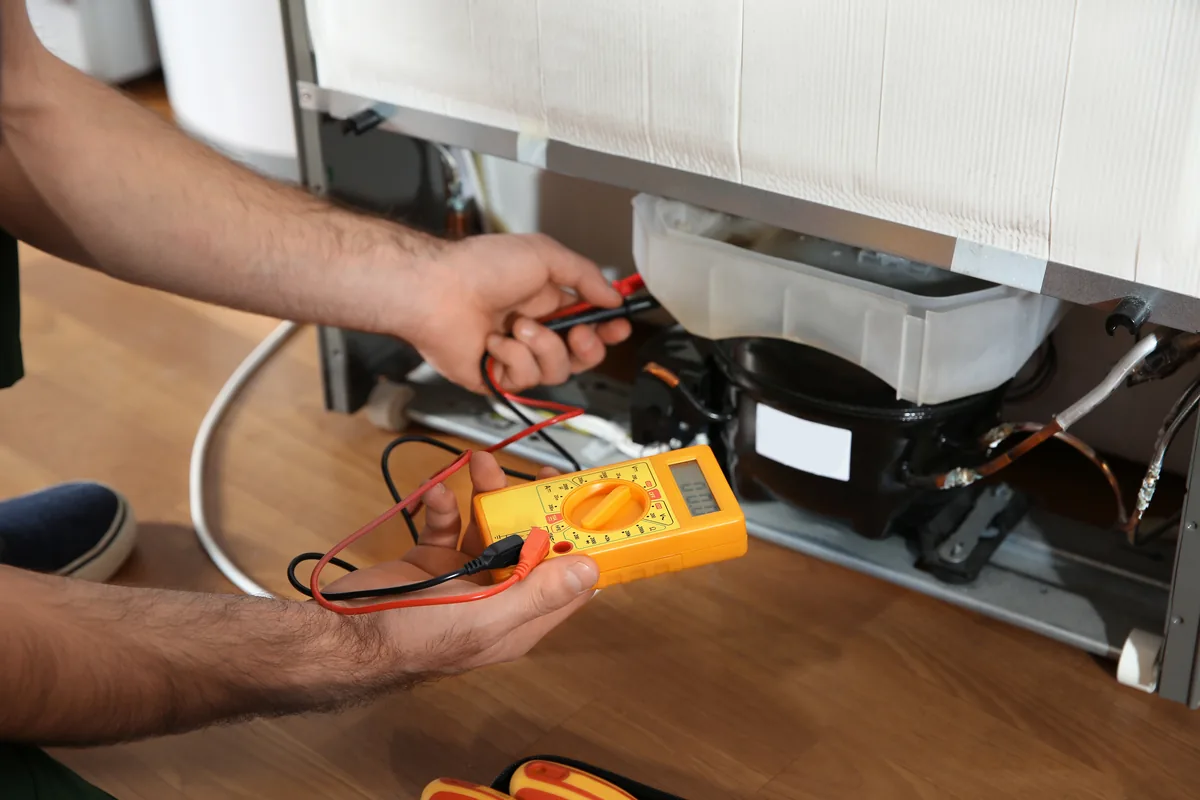
Relay, capacitor and compressor faults.
View serviceFrost and defrost faults in coolers and freezers.
View service
Planned checks that catch problems early.
View service
We're here to assist you with any fridge repair needs. Our team responds promptly to inquiries and is available for service.


