Filter and housing
An old or badly seated filter is the number one cause of a slow dispenser. We check the filter, the housing and whether the filter fits the model.
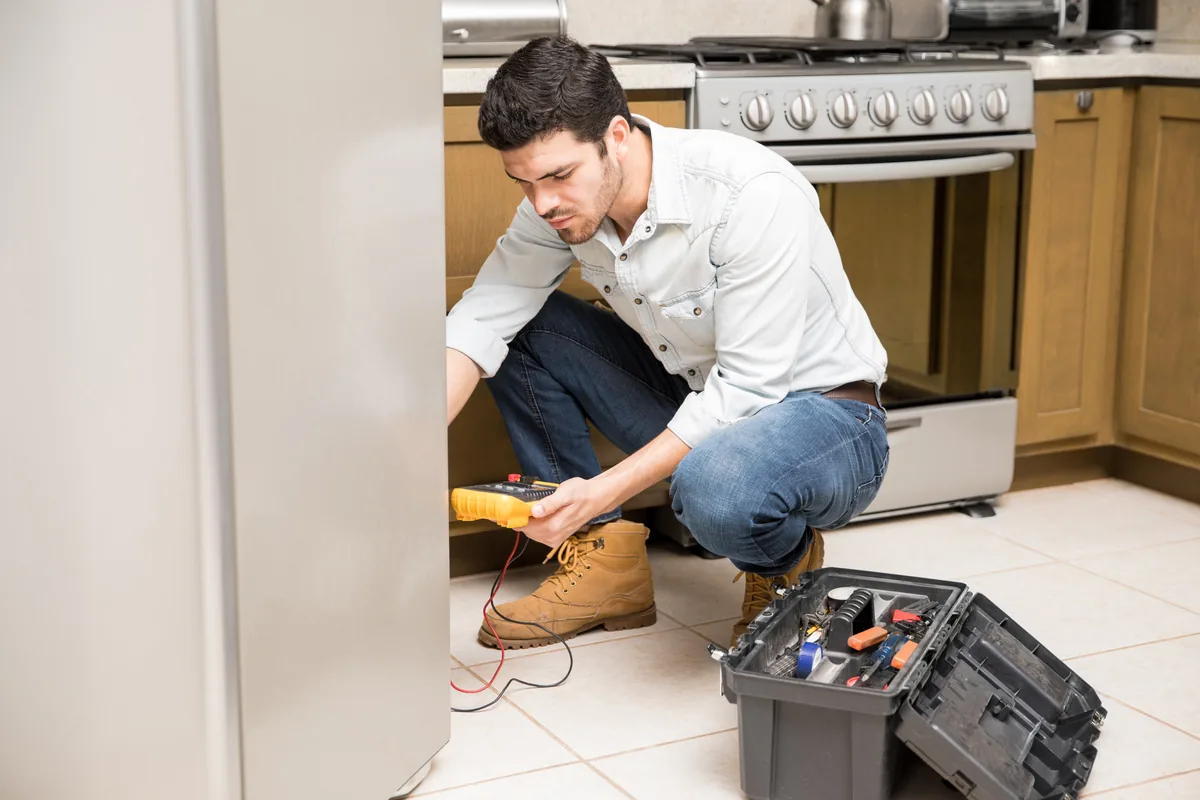
Dispenser that will not pour, trickles slowly, drips for hours, or will not stop after you remove the glass? Nine times out of ten it is the filter, the line or the valve, and we can tell you which. We test the water path from the wall to the nozzle and quote the price before any work begins.
A dispenser is a short chain of parts. We check each link, from the shut-off valve to the nozzle, and we replace only the one that has failed.
An old or badly seated filter is the number one cause of a slow dispenser. We check the filter, the housing and whether the filter fits the model.
A kinked or pinched line, a half-closed valve or low pressure starve the dispenser. We check the line and the pressure at the fridge.
A failed inlet valve gives no water or a trickle, and a valve that will not shut gives a drip or a flood. We test both.
Water lines along the door or the freezer can freeze or clog. We thaw them safely and find out why.
Water arrives from the house supply through a shut-off valve and a line, passes through the water filter, then reaches an inlet valve at the back of the fridge. That valve opens when you press the dispenser, and water flows through tubing, often along the door, to the nozzle. Many fridges also fill a small tank. A fault anywhere in that chain gives you slow water, no water, a drip or a leak.
Because the ice maker shares the supply but has its own path, comparing the two helps. If the ice maker works but the dispenser does not, the problem is on the dispenser path: a switch, a tube or the dispenser valve. If neither works, it is the supply, the filter or the inlet valve. We use that to cut the search down fast.
Our water line repair, leak repair and ice maker repair pages cover the related parts.
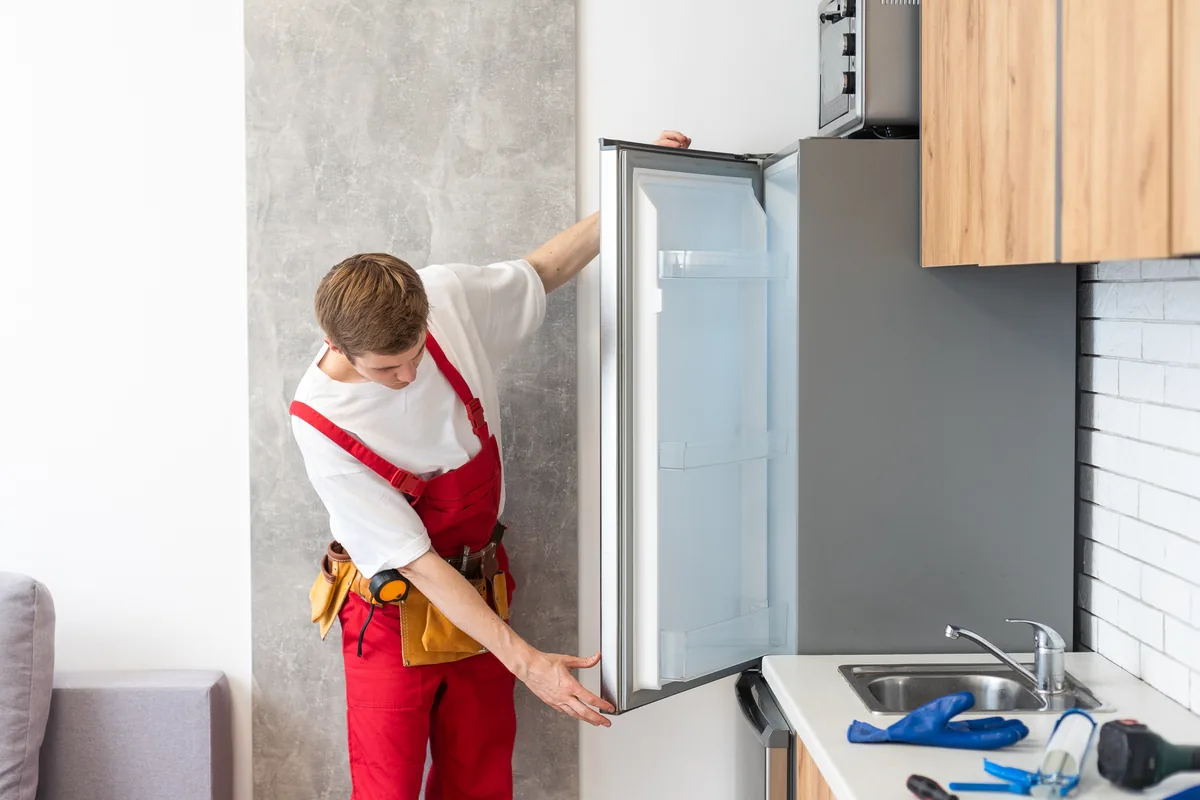
These come from manufacturers’ support pages, and are the standards we compare a dispenser with.
The inlet valve needs at least about 20 psi, according to Samsung and Maytag-family troubleshooting.
Samsung says a dispenser should fill about 6 ounces (3/4 cup) in under 10 seconds.
Samsung rates its filters at about 6 months or 300 gallons, and Frigidaire, GE and Maytag suggest about every 6 months.
Frigidaire says to prime and purge a new filter. We suggest running several gallons through.
Frigidaire says its dispenser stops automatically after 3 minutes of continuous use to protect the motor.
Some Samsung models have two water lines that can be cross-connected, which stops the dispenser working.
Match what you see to the usual cause, and to what is safe to try before you call.
| What you see | Usual cause | Safe first check | Typical fix |
|---|---|---|---|
| No water at all | Closed valve, frozen line, failed inlet valve or a clogged filter | Open the valve; replace an old filter | Valve or line repair |
| Very slow or trickling water | Clogged filter, kinked line, low pressure or a scaled valve | Replace the filter; check the line | Line or valve repair |
| Works some days, not others | A partly frozen line, a marginal valve or a switch fault | Note when it fails; check the freezer temperature | Thaw and fix the cause; valve repair |
| Works only without the filter | A clogged, incompatible or badly seated filter | Try a new matching filter, seated firmly | Replace the filter or housing |
| No water after a filter change | Air in the line, a filter not seated, or the wrong filter | Reseat and flush several gallons | Housing or valve repair |
| Drips from the nozzle for hours | A dispenser valve not closing, or residual water | Watch for continuous dripping | Replace the dispenser valve |
| Keeps running after the glass is removed | A stuck switch or valve, or a control fault | Release the paddle; note if it stops | Replace the switch or valve |
| Leaks only when used | Loose tubing, a cracked tank or a failing connection | Dry the area and watch as you dispense | Replace the tube, tank or fitting |
On the call we ask the make and model, whether the ice maker works, how old the filter is and when the problem started.
We check the shut-off valve, the line, the pressure and the filter, since they cause most dispenser faults.
We test the inlet valve and the dispenser valve, and trace the tubing for kinks, ice or leaks.
You hear the cause, the part and the price first.
We fit the part, flush the system and time the flow, then check every connection for drips.
Water quality and heat both affect a dispenser here. These are the local factors we think about on every dispenser call.
Homes on private wells, common in Lehigh Acres, Buckingham and Alva, can clog filters and valve screens. Expect to change the filter more often.
Lee County Utilities treats some of its water by lime softening or reverse osmosis, and it varies by plant. A filter on schedule still matters.
A leaking dispenser line can seep under tile or plank flooring. Catch drips early.
A dispenser left idle can have stale water and a stuck valve. Flush the line and replace the filter before you use it.
$100 - $450 depending on scope
Most dispenser repairs in Fort Myers fall within $100 to $450. A filter or a fitting is toward the lower end, an inlet valve is in the middle, and a tank or in-door tubing job can cost more. You get a clear quote before any work begins.
A filter or fitting is small. An inlet valve, dispenser valve or tank costs more.
On French door and side-by-side models, the tubing runs through the door, which takes longer to reach.
Valves and tanks differ by model. Your model number lets us check parts first.
Sediment and minerals can take a new valve with them. We may suggest a filter.
On a fridge under about 10 years old, repair is usually worth it. On an older one, we compare with replacement.
When comparing companies, ask whether the diagnostic fee is credited toward the repair, and whether parts and labor are in the quote.
| Job | Typical range | What it depends on |
|---|---|---|
| Water inlet valve | $105 to $205 | Valve type and access |
| Water line or valve repair | $170 to $500 | Material, valve type and access |
| Filter | Parts only | Brand-specific filter; about every 6 months |
General US market estimates from published cost guides (Fixr, EasyBear), not a Fridge Masters quote. Our quote comes after we diagnose your fridge.
These pages explain the manufacturers’ own dispenser checks. They open in a new tab.
Links go to the manufacturers’ own websites. Fridge Masters is an independent refrigerator repair company and is not affiliated with those brands. The manufacturer’s instructions and warranty terms for your model always take priority.
Check the filter, the supply valve and the line behind the fridge, in that order. A clogged filter, a closed valve, a pinched line and a frozen line cause most cases. If those are fine, the inlet valve or the dispenser switch may have failed, or the water pressure is below the roughly 20 psi the valve needs. If the ice maker works but the dispenser does not, the fault is on the dispenser path.
Sudden failures follow an event. A new filter that is not seated or is air-locked, a power cut or surge, a fridge pushed back against the line or a closed shut-off valve are the usual ones. Check the filter and the valve, and run a few gallons through. If it does not come back, the inlet valve or the dispenser control is likely the failed part.
Intermittent water usually means a marginal part. A line that freezes and thaws, a valve that sticks, a filter that is partly clogged or a loose connection can all give you water one day and none the next. Note when it fails, and whether the freezer was cold. If a new filter does not settle it, the valve or the line needs testing.
A clogged filter is the number one cause, and many makers suggest changing it about every 6 months. After that, look for a kinked line, a half-open valve, low house pressure and a valve choked with minerals. Samsung says a dispenser should fill about 6 ounces in under 10 seconds. If a new filter does not help, the line or valve needs checking.
The fridge only sees what the supply gives it. A clogged filter, a kinked line, a half-closed valve, a sandy private well or a clogged saddle valve all cut the pressure. The inlet valve needs at least about 20 psi. Test by removing the filter for a moment, if the manual allows. If flow improves, the filter is the cause.
Three causes cover most cases. The filter is not fully seated or twisted into place, it is not the right model, or air is trapped in the line. Reseat it firmly, then run several gallons through the dispenser to clear the air. If it still will not flow, take it out and check the housing for damage. A cracked housing leaks, and a blocked one will not flow.
A filter that is clogged, wrongly installed or not an exact match can restrict the flow. Some cheap or incompatible filters are tighter than the original. Try a new filter that matches your model number, and reseat it. If it still will not flow, the filter housing may be damaged or blocked, and it needs a look.
A leaking dispenser can come from the tubing, the valve, the filter housing, a loose connection or, on some models, the water tank. The visible drip is rarely the source, because water runs along tubing before it falls. Dry everything and watch. Shut off the supply if it keeps dripping, and call us before it damages the cabinet or the floor.
A valve that will not close is the usual cause. Low water pressure can stop a valve closing fully, and a worn or dirty valve seat can leave a slow drip. A few drops after use are normal, but a steady drip is not. If it drips constantly, shut off the supply, and the valve needs testing or replacing.
The dispenser switch or its control is not telling the valve to stop, or the valve is stuck open. Release the paddle fully and see if it stops. Some brands cut off automatically after a few minutes. If it keeps running, shut off the water supply and call us. A stuck valve can flood a kitchen.
That points to the dispensing path: loose tubing at the door hinge, a cracked tank, a failing valve or a leaking connection that only pressurizes when water flows. Dry the area and watch as you dispense. The wet spot, not the drip, tells us where the part is. A leaking tube or tank is replaced rather than patched.
A few drops right after use are normal as residual water drains. Dripping hours later suggests a valve that is not sealing, or water trapped in the line. Low pressure can contribute. If it drips a lot, or the drip tray fills, the valve needs checking. A drip that appears and then stops is rarely a problem.
Dispenser tubing runs close to cold air, and it can freeze when the freezer is too cold, the door seal leaks humid air in, a heater has failed or the fridge is out of level. Thawing it works for a while, but the cause has to be found. Do not use a heat gun. If it keeps freezing, the airflow or the heater needs testing.
If water reaches the tank or the inlet valve but not the nozzle, the blockage is downstream: a frozen or kinked tube, a clogged dispenser valve or a failed switch. A tank that fills but never empties points to the dispenser valve or the tubing. Tracing the tubing from the tank to the nozzle finds it, and we can do that quickly.
They share a supply but have separate paths. So the supply and the filter are probably fine. Look at the dispenser switch, the dispenser valve, the tubing along the door and a frozen line. A line that froze after the ice maker's branch is a typical cause. That narrows the repair to the dispenser path, which is quicker to fix.
Straight answers to what Fort Myers homeowners ask about refrigerator water dispensers. Not seeing your question? Call and ask.
Ask the local team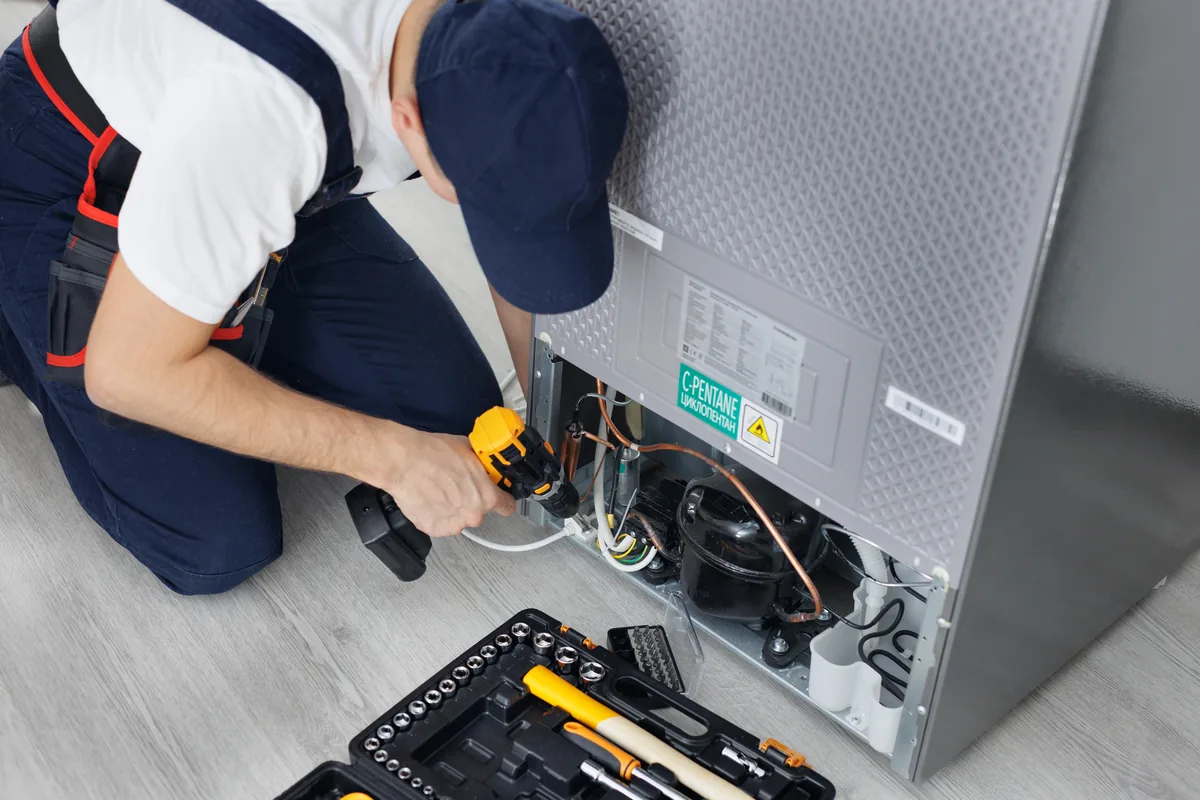
Lines, valves and fittings.
View service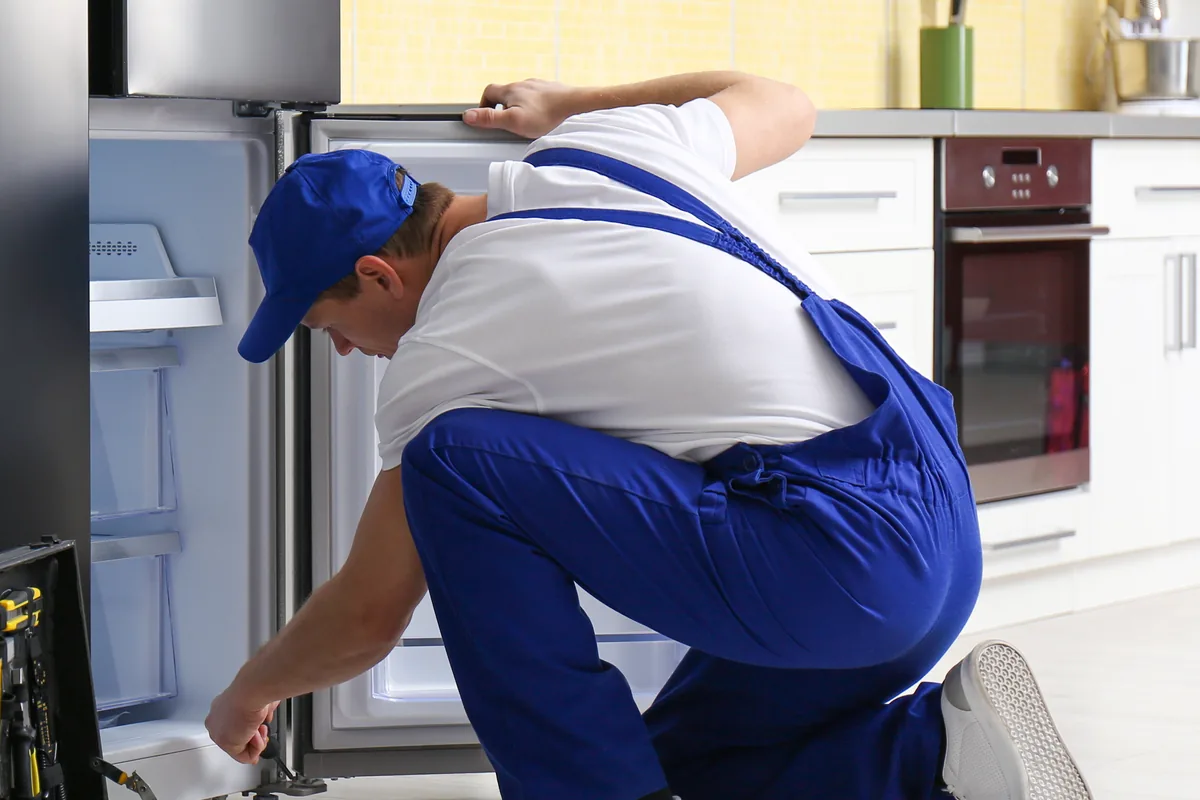
When the ice maker and dispenser both fail.
View service
Finding the source of a dispenser or line leak.
View service
Valves, tubes and filters matched to your model.
View serviceWe're here to assist you with any fridge repair needs. Our team responds promptly to inquiries and is available for service.