
Focused arrival windows
Useful updates and clear arrival timing.
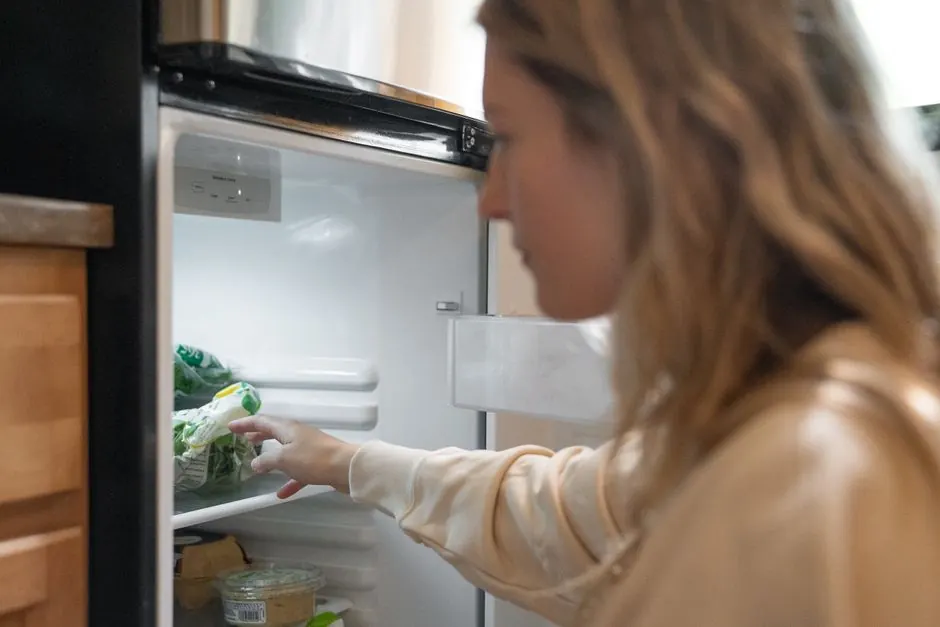
A fridge that runs all day, a garage freezer that heats the room, or an old unit that you suspect is costing you money? An energy efficiency assessment looks at the things that actually make a refrigerator use more power: dirty coils, a leaking seal, settings that are colder than needed, poor airflow and age. We tell you what is worth fixing, what is not, and what to do next. You get the price before any work begins.
Useful updates and clear arrival timing.
Review the approach and price before deciding.
Equipped vehicles and respectful cleanup.
Neighbors serving neighbors with follow-through.
We look at the fridge as a system, from the coils to the seals to where it stands, and give you an honest summary of where energy is going.
We measure the real temperatures. A fridge set colder than it needs to be uses more energy, and we compare your settings with food-safety and energy guidance.
We inspect the door seals, the condenser coils, the fans and the space around the fridge, because leaking gaskets and clogged coils are the most common wasters.
We check the thermostat, the fans and the defrost system, and note if the fridge is near heat, in direct sun or in a hot garage.
You get a short summary of what we found, which fixes are worth doing, and whether the fridge is old enough that replacing could make sense.
Tell us what is happening and get a clear next step from the local team.
A refrigerator is one of the few appliances that runs all day, every day. Energy.gov points to a few simple factors: keep the coils clean, make sure the door seals are airtight, leave a few inches of air space behind the fridge, and do not set it colder than needed. Energy Star adds that an old fridge uses roughly a third more energy than a new Energy Star one.
In Fort Myers, heat adds to the load. A fridge in a hot kitchen, or a spare fridge in a garage, runs longer. The assessment looks at what you can change cheaply, such as cleaning the coils, replacing a seal and adjusting the setting, before it looks at the expensive option of replacing the fridge. We do not promise a savings percentage, because it depends on the fridge and the use.
If your fridge is a second unit in the garage, ask whether you need it. Energy Star says an old fridge kept in a basement or garage can be wasting around $90 a year. Our coil cleaning guide explains one of the easiest fixes.
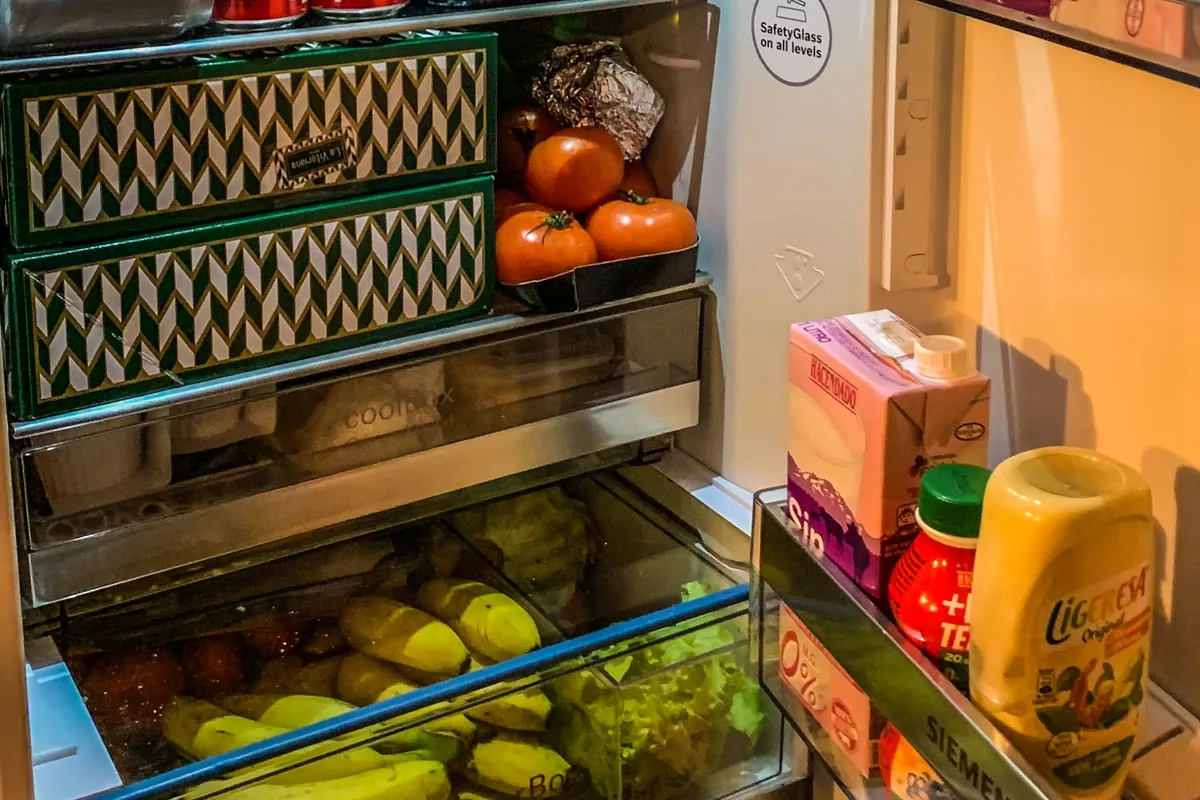
These are the usual reasons a fridge runs longer than it should, how to check each one and what fixes it.
| Energy waster | Why it costs you | How to check | Usual fix |
|---|---|---|---|
| Dirty condenser coils | The fridge cannot shed heat, so it runs longer | Look at the coils for dust and pet hair | Coil cleaning |
| Leaking door seal | Warm, moist air gets in and the compressor works harder | Dollar-bill test; look for frost or sweat | Seal replacement |
| Set colder than needed | Extra cooling uses extra energy | Thermometer reading below about 35°F | Adjust the setting |
| Hot location or no air space | The fridge works harder in a hot spot | Check distance to heat, sun and walls | Move or give it air space |
| Old second fridge in the garage | An old unit uses much more energy and the garage is hot | Check the age; check if you need it | Replace or retire it |
| Frost build-up | Frost blocks airflow and makes it run longer | Look at the freezer back wall | Defrost system repair |
| Failing fan or control | The fridge cannot cool efficiently | Listen for fans; check the thermometer | Fan or thermostat repair |
| Age of the fridge | Older models use more energy than new Energy Star ones | Check the model plate for the year | Compare repair and replacement |
On the call we ask the make, the age, where the fridge stands and what you have noticed, such as a high bill or constant running.
We check the fridge and freezer temperatures, the door seals, the coils, the fans and the space around the fridge.
We test the thermostat, the fans and the defrost system if a symptom points to them.
We explain what we found, which fixes are worth doing and what they cost. If the fridge is old and costly to repair, we say so honestly.
We clean or fix what you approve, and leave a short written summary of the findings.

Show the real temperatures, so we can see if the fridge is colder than it needs to be.
We test every door and use a light to find gaps that waste cold air.
Tests the thermostat, sensors and fans when a symptom points to a failing control.
Seals, thermostats and fans for the major brands, so a worthwhile fix can often be done at the visit.
We adhere to EPA guidelines to ensure all assessments meet environmental standards.
Our technicians follow NATE standards for best practices in energy efficiency assessments.
We utilize Energy Star recommendations to guide our evaluations and suggestions.

A fridge that never cycles off is usually dirty, leaking or struggling. The assessment finds which one, and whether the fix is worth it.
Older models use much more energy than new ones. We can tell you whether a repair, a coil clean or a replacement is the better value.
Before you buy, we can check whether a cheap fix would solve the problem, or confirm that replacing is the right call.
Heat and humidity add to a fridge’s workload here. These are the local reasons we look at the fridge and the room together.
Average highs reach about 91°F from June to September. A hot kitchen or garage makes the fridge run longer, so the efficient settings matter more.
A garage fridge works hardest of all. Some standard manuals limit the room to roughly 55°F to 110°F, and an old second fridge there can be an expensive habit.
Moist air gets in at worn seals and adds load. A leaking gasket costs more in a humid climate than a dry one.
Coils clog with dust and pet hair, which makes the fridge run hot. A cleaning is one of the cheapest fixes for an efficient fridge.
A fridge left running while no one is home can still cost money. We can advise whether to switch off, use a vacation mode, or empty it.
A homeowner in Fort Myers noticed their energy bill spiking to $250 monthly due to an inefficient refrigerator.
After our assessment and subsequent repairs, their bill decreased to $180, saving them $70 monthly.
Maintenance: Regular maintenance checks every six months will help maintain this efficiency.
A family reported inconsistent temperatures causing food spoilage and waste.
Post-assessment, their refrigerator maintained a steady temperature, reducing spoilage significantly.
Maintenance: Using a thermometer to check temperatures monthly will help sustain optimal performance.
The refrigerator was breaking down every few months, causing frustration and food loss.
After our assessment and repairs, the refrigerator has run smoothly for over a year without issues.
Maintenance: Annual assessments will help catch potential problems before they escalate.
These are the energy problems we are called about most.
Dirty coils, a leaking seal or a failing fan. We find which one and tell you the cost to fix it.
We look at the fridge and its settings, and tell you whether it is the likely cause.
We check whether it is worth keeping, repairing or retiring.
We measure and adjust the setting, which saves energy and avoids frozen food.
Frost blocks airflow. We find the defrost fault behind it.
We give you the facts: the repair cost, the age and the energy picture, and an honest recommendation.
Quoted by scope, after a call
An assessment is quoted by the visit, before any work begins, and it is an inspection and advice, not a repair. If the assessment finds something worth fixing, such as a seal, coils or a fan, we quote that separately, and most of those repairs fall within $100 to $450. We do not promise a savings percentage, because it depends on your fridge.
One fridge is quick. A fridge plus a garage freezer takes longer.
A running-all-day fridge with a high bill gets a fuller check than a routine one.
Older units get a repair-versus-replace discussion. Energy Star says an old fridge uses roughly 35% more energy than a new certified one.
A coil clean, seal or fan can be worth it. We quote each separately, and only with your approval.
Energy Star estimates replacing an old fridge with a new certified one saves about $160 over a 12-year life. Whether that justifies a purchase depends on your fridge.
When comparing companies, ask whether the assessment includes a written summary and whether any visit fee is credited toward a repair.
| Job | Typical range | What it depends on |
|---|---|---|
| Energy efficiency assessment | Quoted by the visit | Number of units and what the symptoms are |
| Door seal if it needs replacing | $60 to $100 | Model and number of doors |
| Fan or thermostat found worn | $95 to $280 | Part, brand and access |
The seal and part figures are general US market estimates (Fixr, EasyBear), not a Fridge Masters quote. Energy figures are from Energy Star and are averages. The assessment is quoted by the visit.
With 12 years of experience since 2014, our team specializes in Refrigerator Energy Efficiency Assessment Fort Myers FL. We are NATE Certified and adhere to EPA Section 608 standards.
I had a Refrigerator Energy Efficiency Assessment done last week, and the results were eye-opening! I'm already seeing a drop in my energy bill. Highly recommend!
Their team was professional and thorough during the assessment. They identified issues I didn't even know I had. My refrigerator is now running much more efficiently.
The assessment was quick and informative. I appreciated the detailed report and recommendations. My fridge is working better than ever!
The usual causes are dirty condenser coils, a leaking door seal, a setting that is colder than needed, a hot location, frost blocking airflow, a failing fan or simply age. An assessment finds which of these applies, and whether the fix is worth the cost.
The FDA says 40°F or below, and Energy.gov suggests roughly 35°F to 38°F for the fridge and 0°F or slightly lower for the freezer. Colder than that wastes energy and can freeze food. Use a thermometer, because most dials do not show the real temperature.
Yes. Energy.gov notes that clean coils transfer heat more effectively. Dust and pet hair make the fridge run longer to shed heat. Cleaning them every 3 to 6 months, or yearly in a clean home, is one of the cheapest efficiency fixes.
Yes. Worn gaskets let warm, moist air in, which increases energy use and can lead to food spoilage. Try the dollar-bill test around each door. If it slides out easily, replace the seal.
It can. Energy Star says an old fridge uses roughly 35% more energy than a new certified one, and that a fridge kept in a garage can waste about $90 a year. Your own cost depends on the model, the age and the electric rate, so we look at yours.
Sometimes. Energy Star estimates that replacing an old fridge with a new certified one can save about $160 over a 12-year life. If the old one is working well and a coil clean or seal fixes the problem, repair may be better value. We give you the facts.
Only if you really use it. A garage is hot in Florida, so a second fridge runs longer, and an older one costs more. Energy Star says an old fridge in a garage can waste about $90 a year. We can tell you whether to keep, repair or retire it.
We cannot promise a figure, because it depends on the fridge, the room and how much it was struggling. Cleaning the coils, replacing a leaking seal and correcting the setting are the most common fixes, and Energy.gov recommends them all.
A reasonably full fridge and freezer hold cold better, but overloaded shelves block the airflow that circulates it. Aim for full but not packed, with the vents clear. Do not leave the door open while you decide what to take.
Leave a few inches of space behind and above it, keep it away from the oven, the dishwasher and direct sun, and make sure it is level. A fridge in a hot spot works harder, which matters in Fort Myers summers.
We measure the fridge and freezer temperatures, inspect the door seals, the coils and the fans, and look at where the fridge stands. We test the thermostat and defrost system if a symptom points to them, and give you a short written summary of what we found.
The assessment is an inspection and advice. If we find a worthwhile fix, such as a seal, coil cleaning or a fan, we quote it separately and only with your approval. We will also tell you honestly if the fridge is too old to be worth repairing.
Yes. We assess refrigerators across Fort Myers and nearby areas, including Cape Coral, Estero, Lehigh Acres and Bonita Springs. Give us the make, the model and the age of the fridge when you call, and we plan the visit.
Straight answers to what Fort Myers homeowners ask about fridge energy use. Not seeing your question? Call and ask.
Ask the local team
Coil cleaning and seal checks that keep running costs down.
View service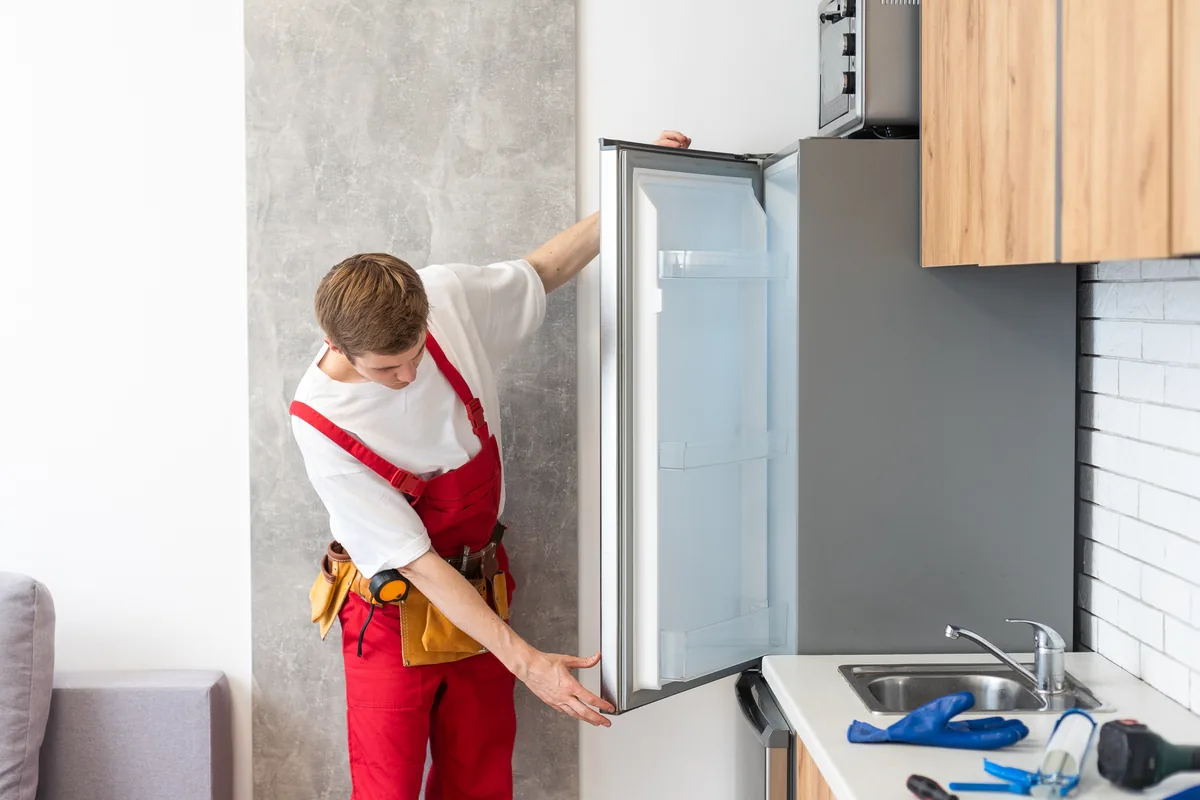
A leaking gasket is one of the most common energy wasters.
View service
Settings that are colder than needed use extra energy.
View service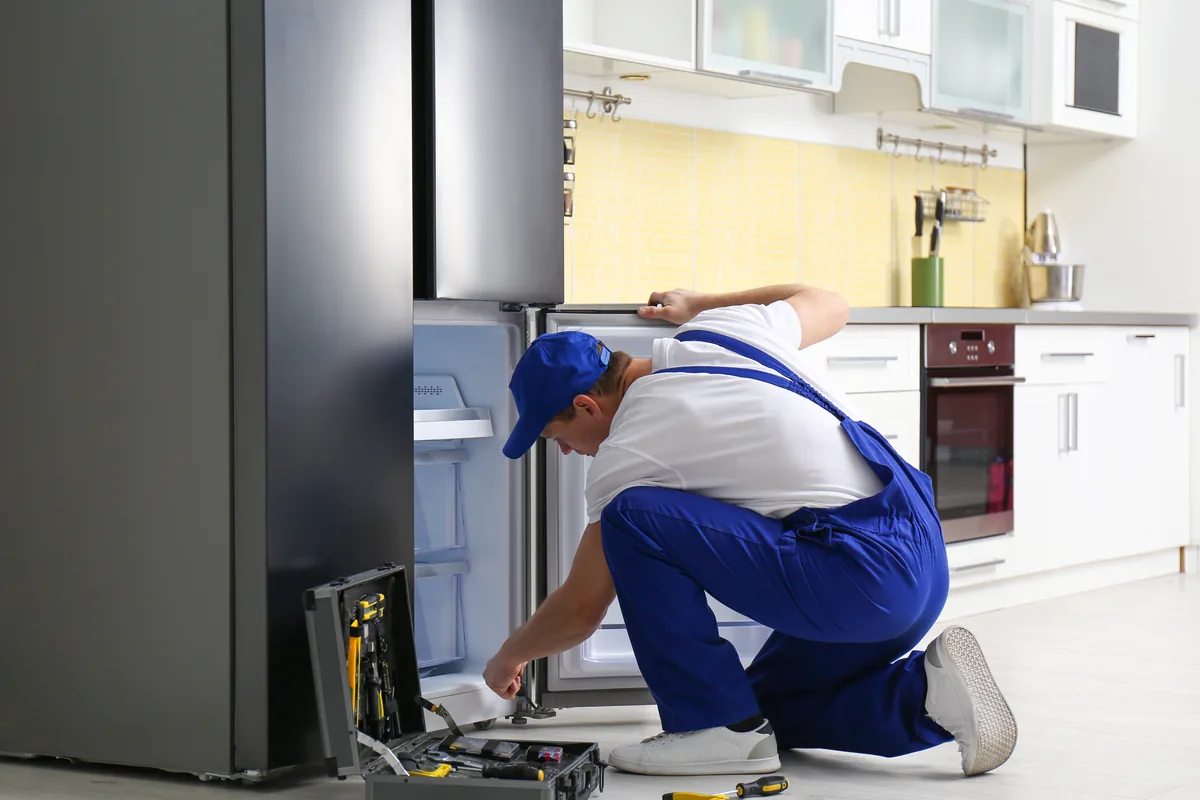
Coil and drain cleaning for a fridge that runs hot.
View serviceWe're here to assist you with any fridge repair needs. Our team responds promptly to inquiries and is available for service.


