
Focused arrival windows
Useful updates and clear arrival timing.
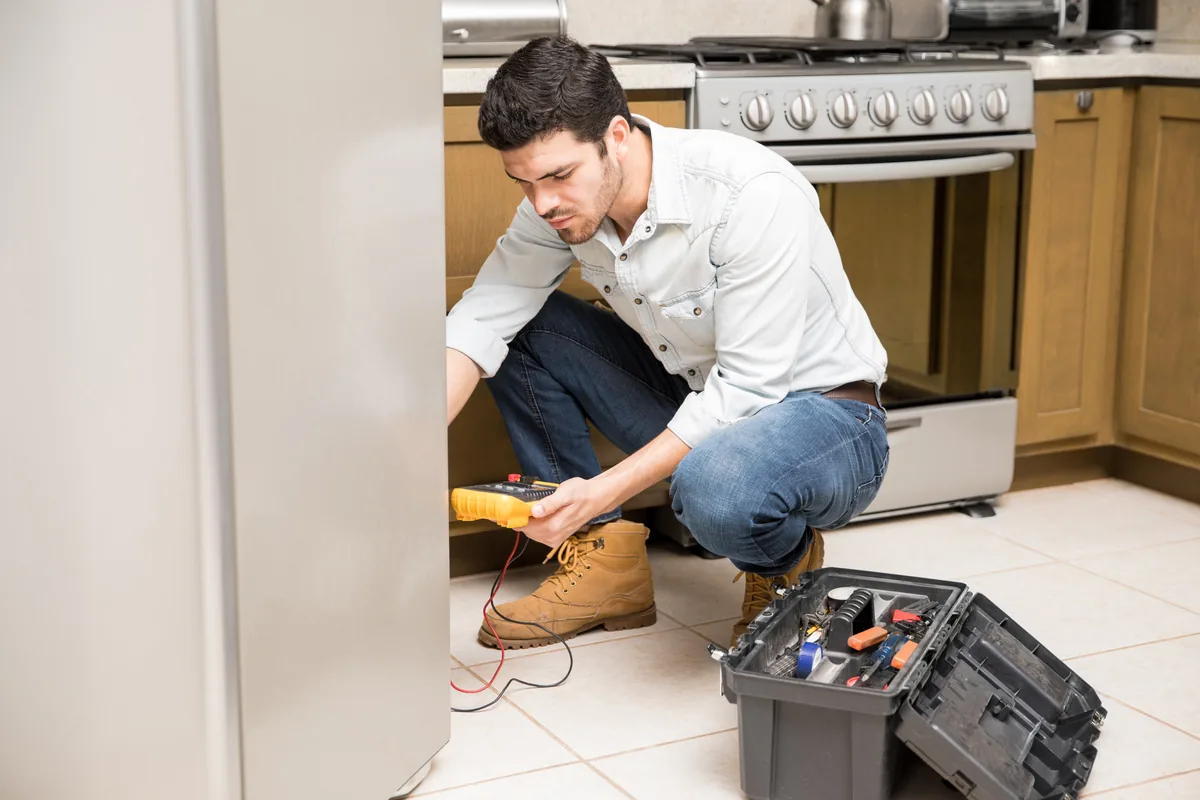
Food spoiling early, lettuce freezing, or a freezer that will not stay hard? The right settings matter, and so does finding out why the temperature will not hold. We measure the real temperature, set it correctly, check the airflow and the controls, and tell you honestly when the dial is not the problem. You get the price before any work begins.
Useful updates and clear arrival timing.
Review the approach and price before deciding.
Equipped vehicles and respectful cleanup.
Neighbors serving neighbors with follow-through.
Turning the dial is the easy part. The harder job is finding out whether the fridge can hold the temperature you set.
We measure the fridge and freezer with a thermometer, not the dial, and compare them with the 40°F and 0°F food-safety targets.
We set the controls for your fridge and your habits, and calibrate where the model allows it. We also explain what each setting does.
Cold air has to circulate. We check the vents, the shelves and the damper, because blocked airflow causes warm spots and frozen food.
If the temperature will not hold, we check the seal, the coils, the fans and the control, and tell you whether a repair is needed.
Tell us what is happening and get a clear next step from the local team.
A refrigerator is meant to keep food at 40°F or below, and a freezer at 0°F, according to the FDA. Above 40°F, bacteria grow faster. Much below freezing in the fridge, lettuce, drinks and eggs freeze and spoil. Most fridge dials do not show a real temperature, so the numbers or notches on them are only a guide.
That is why a good adjustment starts with a thermometer. Many technicians aim for about 35°F to 40°F in the fridge. If the temperature will not hold after you set it, the dial is not the issue. A leaking door seal, dirty coils, a weak fan, a stuck damper or a faulty sensor is, and we will say which.
If the temperature will not hold, see our thermostat repair page. Our temperature guide explains the settings.
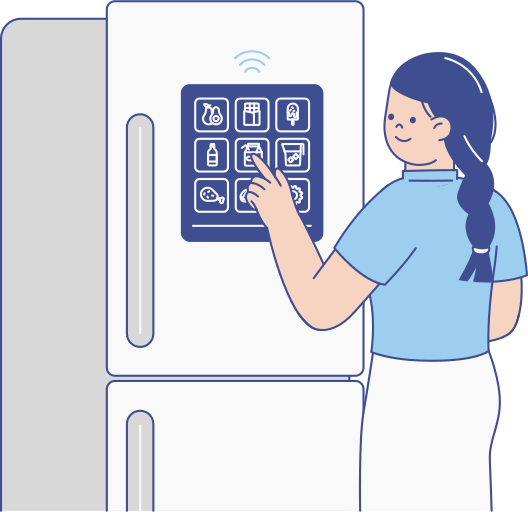
Match what you see to the usual cause. Many temperature problems are not about the dial.
| What you see | Usual cause | First check | Typical fix |
|---|---|---|---|
| Milk and food spoil early | Fridge above 40°F, leaking seal or blocked airflow | Thermometer reading; check the seal | Reset, clear vents, repair the seal or fan |
| Lettuce and drinks freeze | Setting too cold, or damper or sensor sending too much cold air | Raise the setting one notch; move food from the back | Damper or sensor repair if it persists |
| Freezer not hard, ice cream soft | Freezer above 0°F, or frost blocking airflow | Thermometer in the freezer; check for frost | Reset; defrost-system or fan repair |
| Warm spots in the fridge | Overloaded shelves or blocked vents | Clear the vents and the back wall | Reload and re-test; fan check |
| Temperature swings | Drifting control or heavy door use | Log readings over two days | Recalibrate or replace the control |
| Dial changes do nothing | Worn mechanical thermostat or board fault | Move one notch and wait 24 hours | Replace the control |
| Food warm after an outage | Fridge above 40°F too long; control upset by a surge | Check the temperature; unplug for 5 to 10 minutes | Reset; replace the board part if needed |
| Fridge cold at the top, warm at the bottom | Poor air circulation or a failing fan | Listen for the evaporator fan | Fan or damper repair |
On the call we ask the make and model, what the food is doing and what any thermometer reads.
We check the fridge and freezer with a thermometer and compare them with 40°F and 0°F.
We set the controls, clear and test the vents, damper and fans, and check the door seals.
We watch whether the temperatures settle. If they will not, we find the failing part and quote the repair first.
We explain the settings, what to expect over the next day and how to check the temperature yourself.
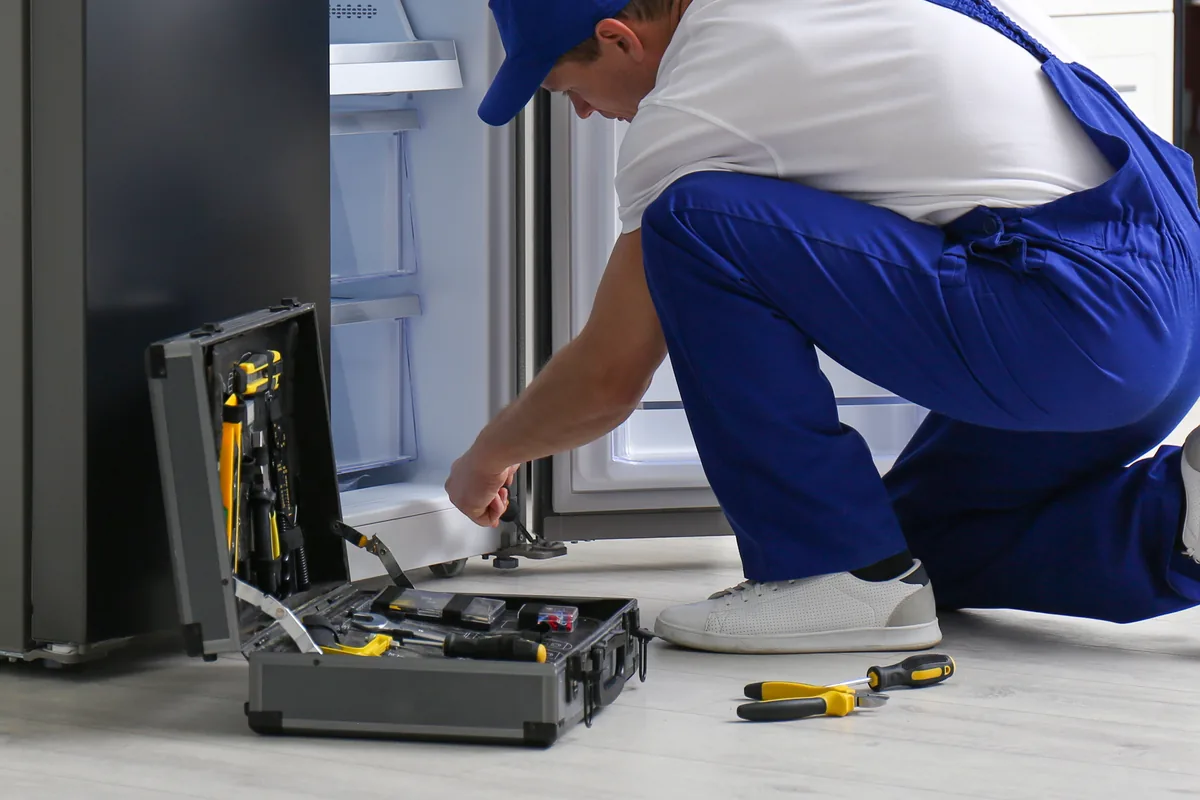
Show the real temperatures. The FDA recommends 40°F or below in the fridge and 0°F in the freezer.
Tests controls and sensors when the temperature will not hold.
We confirm vents, damper and fans are moving cold air before blaming the control.
Sensors, dampers and controls for the major brands, so many fixes finish in one visit.
We follow EPA guidelines for refrigerant management and energy efficiency.
Our technicians apply best practices as per NATE certification for reliable service.
We adhere to ISO 9001 standards to ensure quality and consistency in our services.
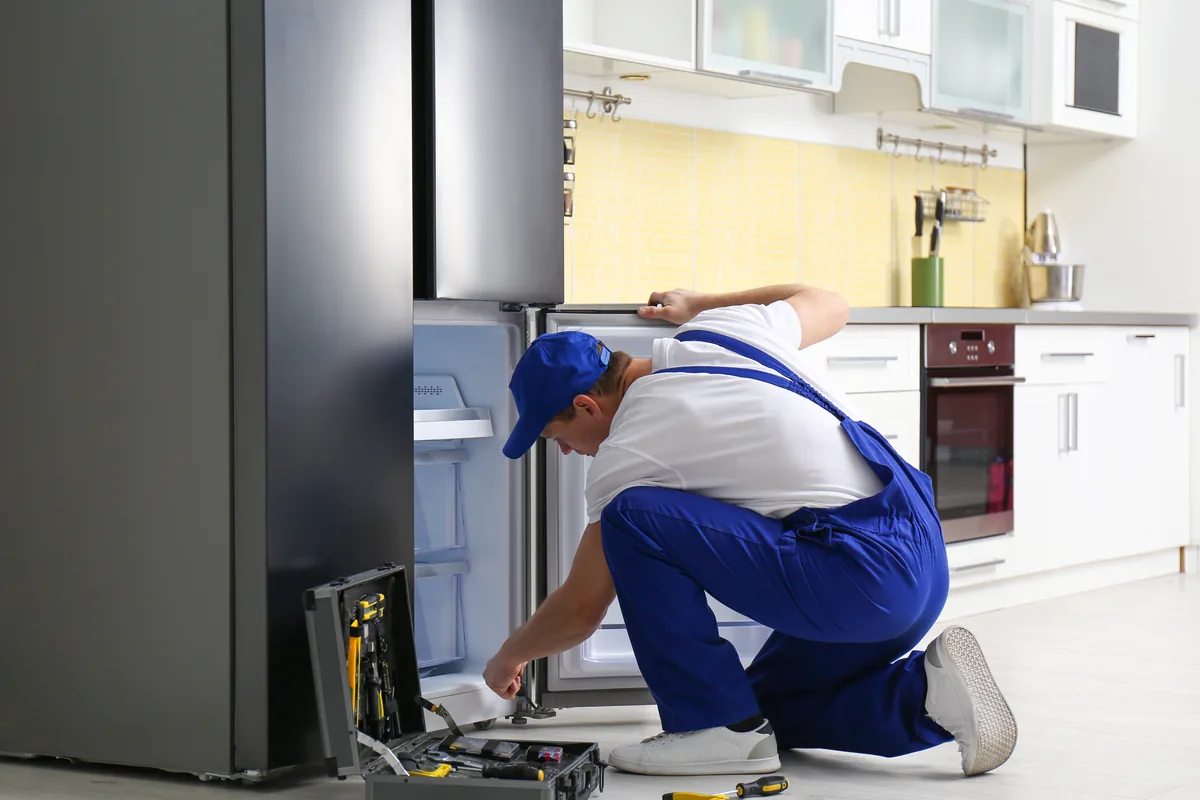
That means the real temperature is wrong. We measure it, set it correctly and find out why it drifted.
A control that no longer responds needs testing. Repeated dial changes make it harder to diagnose, so call before you keep adjusting.
After an outage, a long closure or a move, a fridge needs checking. We set it, test the hold and tell you whether the food is safe to restock.
Heat, humid air and seasonal living all affect fridge temperatures here. These are the local reasons we measure before we adjust.
Average highs reach about 91°F from June to September. A hot room makes the fridge run longer, and a setting that worked in winter may be too weak in August.
Some standard manuals limit the room to roughly 55°F to 110°F. A standard fridge in a Florida garage may not hold temperature no matter where the dial is. Garage-rated models are made for about 38°F to 110°F.
Moist air adds a load every time the door opens, and a worn gasket makes it worse. Sometimes the fix is a seal, not a setting.
A fridge restarted after months off needs time and a check. We set it, test the hold and flush the ice maker line if there is one.
After an outage, check the temperature before you trust the food. If the fridge was above 40°F for more than 2 hours, discard perishables.
Before our service, the refrigerator was cooling at 45°F, causing food spoilage.
After adjustment, the temperature stabilized at 37°F, ensuring food freshness.
Maintenance: Regular checks and adjustments every six months will maintain this efficiency.
Excessive frost buildup was blocking airflow, straining the fridge's compressor.
Post-service, frost was eliminated, and airflow improved, enhancing cooling performance.
Maintenance: Keep the coils clean and check the temperature settings regularly.
The refrigerator was consuming 30% more energy due to incorrect settings.
After our service, energy consumption dropped significantly, saving the homeowner on bills.
Maintenance: Monitor the temperature and clean the coils every few months.
These are the temperature problems we are called about most.
The fridge is above 40°F, or air is not circulating. We measure it, set it and find the cause if it will not hold.
The setting is too cold, or the damper or sensor is sending too much air. We adjust and test the parts.
The freezer is above 0°F, or frost is blocking the airflow. We reset and check the defrost path.
Blocked vents or overloaded shelves leave warm and cold spots. We clear the airflow and re-test.
A worn control or a board fault means the settings no longer change the temperature.
A leaking seal, dirty coils, a weak fan or a drifting control. We find which and quote the repair.
$100 - $450 depending on scope
A temperature check and adjustment on its own is usually the lowest-cost visit. If the temperature will not hold and a part has failed, such as a seal, fan, sensor or control, the price follows that repair, which typically falls within $100 to $450. You get a clear quote before any work begins.
If the fridge simply needs setting and the airflow cleared, the visit is the simplest.
If a seal, fan, sensor or control has failed, the price follows that part. We tell you before we replace it.
Electronic and French door models have more settings and parts. Your model number lets us check first.
On a fridge under about 10 years old, repair is usually worth it. On an older one, we compare with replacement.
A leaking seal is a common reason a temperature will not hold. See seal replacement.
When comparing companies, ask whether the diagnostic fee is credited toward the repair, and whether parts and labor are in the quote.
| Job | Typical range | What it depends on |
|---|---|---|
| Temperature check and setting adjustment | Quoted by visit | Whether a part must be replaced |
| Thermostat or temperature sensor | $100 to $260 | Mechanical or electronic; part cost |
| Door seal (gasket) | $60 to $100 | Model and number of doors |
General US market estimates from published cost guides (Fixr, EasyBear), not a Fridge Masters quote. Our quote comes after we diagnose your fridge.
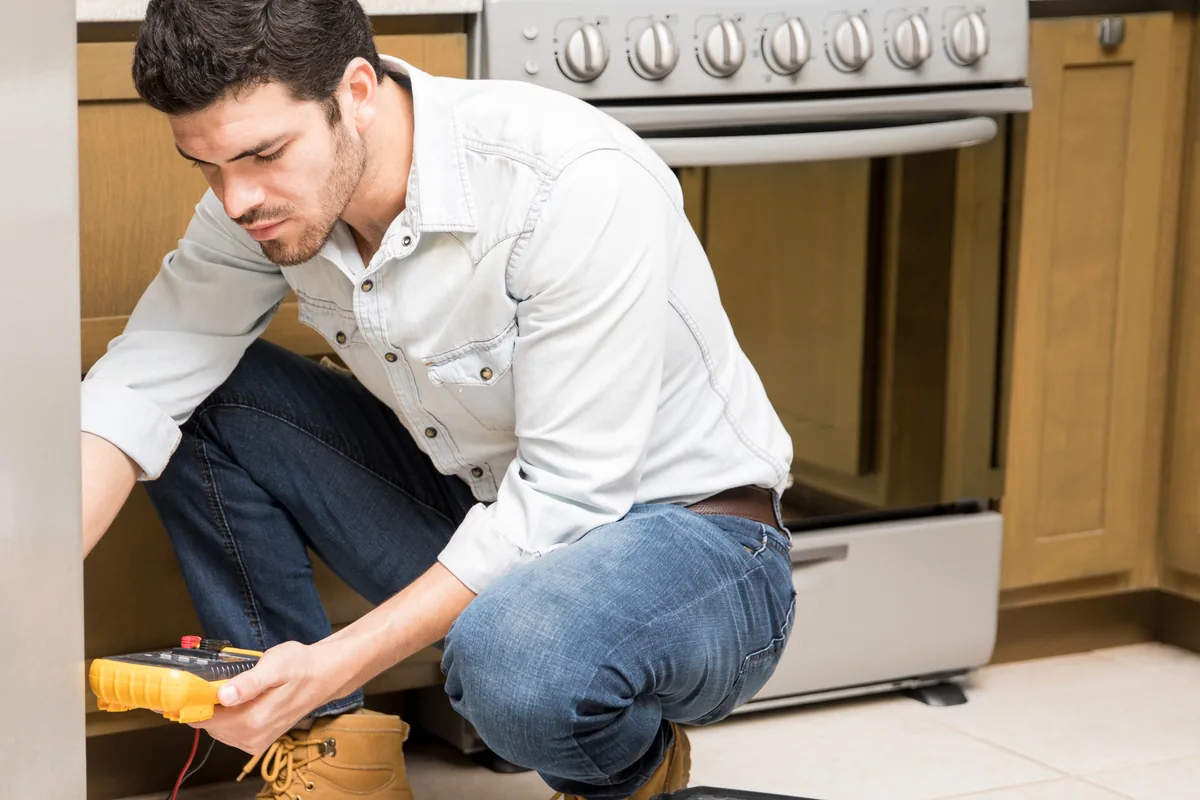
With 12 years of experience since 2014, our technicians are well-trained in refrigerator temperature adjustment. We are EPA Section 608 certified and adhere to all local codes.
I had a great experience with the refrigerator temperature adjustment service. They were prompt, professional, and my fridge is working perfectly now!
Their team quickly adjusted my commercial fridge's temperature. It's running efficiently now, and I've noticed a drop in my energy bills!
I called for an emergency temperature adjustment, and they arrived within hours. Excellent service and very knowledgeable technicians!
The FDA says to keep the refrigerator at 40°F or below and the freezer at 0°F. Many technicians aim for about 35°F to 40°F in the fridge. Because most dials do not show a real temperature, use a freestanding thermometer to check it.
Put a freestanding thermometer on a middle shelf, or in a glass of water, and another in the freezer. Leave them for several hours or overnight, then read them. Check morning and evening for a couple of days to see if the temperature holds.
The setting may be too cold, or a stuck damper or faulty sensor may be sending too much cold air. Move food away from the back vent, raise the setting one notch and wait 24 hours. If it keeps freezing, the damper or sensor needs checking.
The fridge is probably running above 40°F. A leaking door seal, blocked vents, dirty coils or a weak fan are common causes. Put a thermometer in the fridge. Two readings above 40°F an hour apart mean it needs a look.
Allow about 24 hours after any change before judging it, because the food has to cool too. Changing the dial repeatedly hides the real problem. Change it one notch at a time and check a thermometer.
The freezer should be at 0°F. If it is warmer, a leaking seal, frost blocking the airflow, a failed fan or a faulty control may be the cause. Check the thermometer and look for frost. If the ice cream is soft and the freezer is frosty, call us.
A worn mechanical thermostat, a faulty sensor or a control board problem can make the dial useless. Wait 24 hours after the last change, then call us to test the control. Do not keep turning the dial, because it makes the fault harder to find.
It can. Highs near 91°F from June to September make the fridge run longer, and a setting that worked in winter may be too weak in August. A garage fridge can struggle even more. Check with a thermometer and adjust one notch at a time.
It may be. Some standard manuals limit the room to roughly 55°F to 110°F, so a hot Florida garage can push it past its limit. Garage-rated models are designed for about 38°F to 110°F. If the fridge runs constantly, check the coils and the airflow.
Plug it in, wait until it reaches 40°F or below and the freezer reaches 0°F, then restock. Allow up to a day. If it hums, clicks or stays warm after a few hours, call us. Throw away perishables that were above 40°F for more than 2 hours.
Where the model allows it, yes. We measure the real temperature, set the controls and test whether the fridge holds. If a sensor or control has drifted, we replace it after quoting. Give us the make and model when you call.
Only if the thermostat or sensor is the cause. A leaking seal, dirty coils, a weak fan or a stuck damper can cause the same symptoms. We check those first and tell you honestly. See our thermostat repair page for what that involves.
Yes. We adjust and diagnose refrigerator and freezer temperatures across Fort Myers and nearby areas, including Cape Coral, Estero, Lehigh Acres and Bonita Springs. Give us the make, the model and what the thermometer reads when you call.
Straight answers to what Fort Myers homeowners ask about fridge temperatures. Not seeing your question? Call and ask.
Ask the local teamWhen the control or sensor is the real cause of a temperature problem.
View service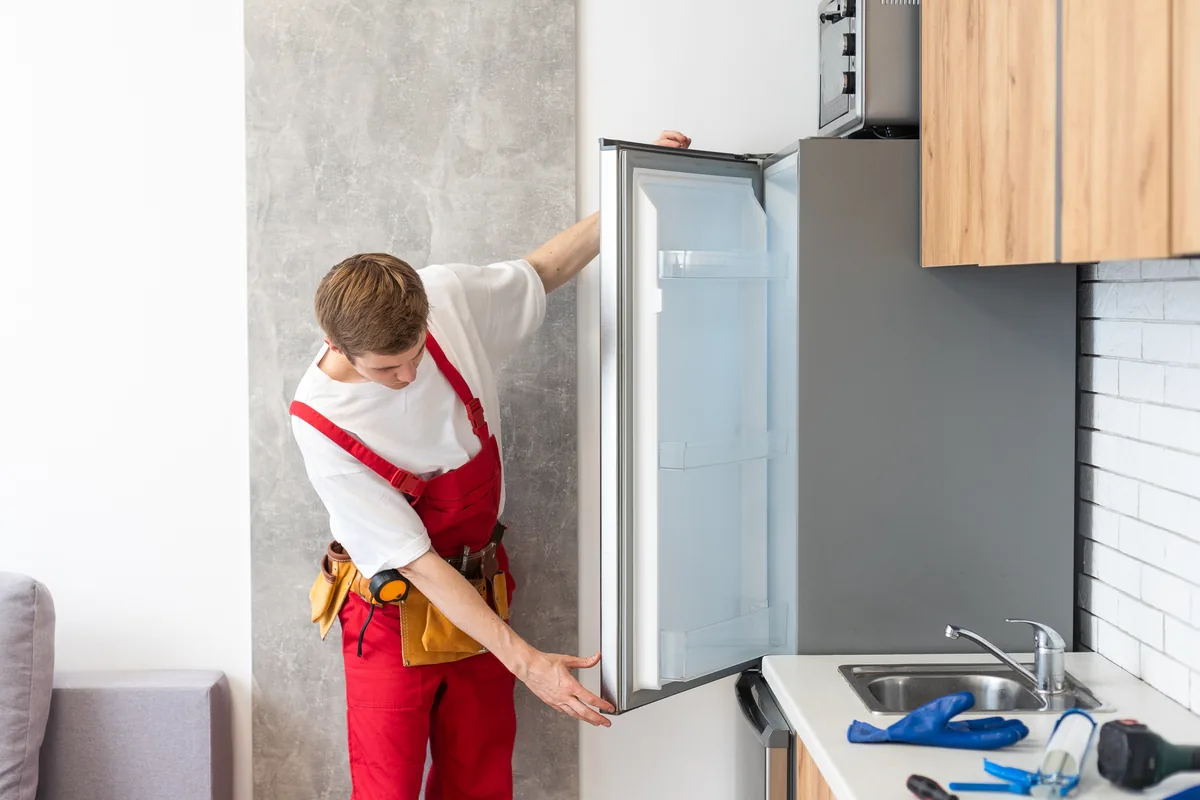
A leaking seal is a common reason a temperature will not hold.
View service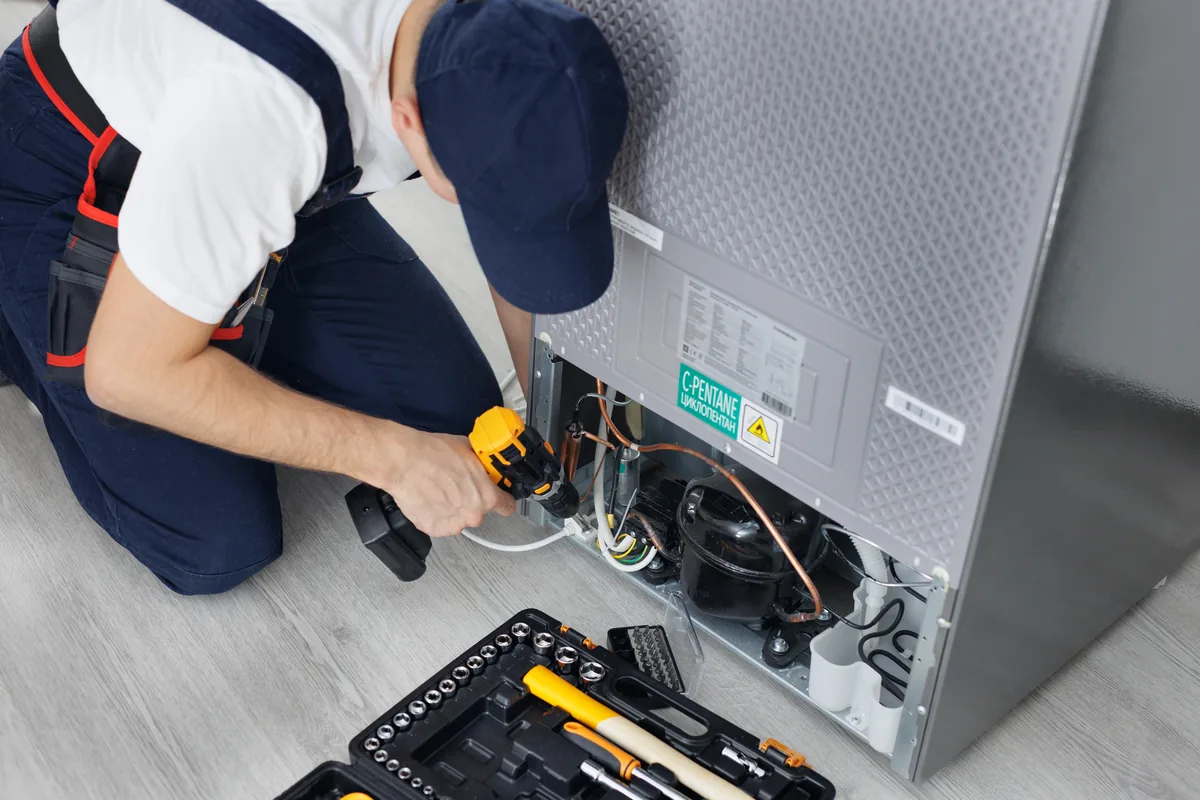
Warm spots and weak cooling can be a failed fan.
View service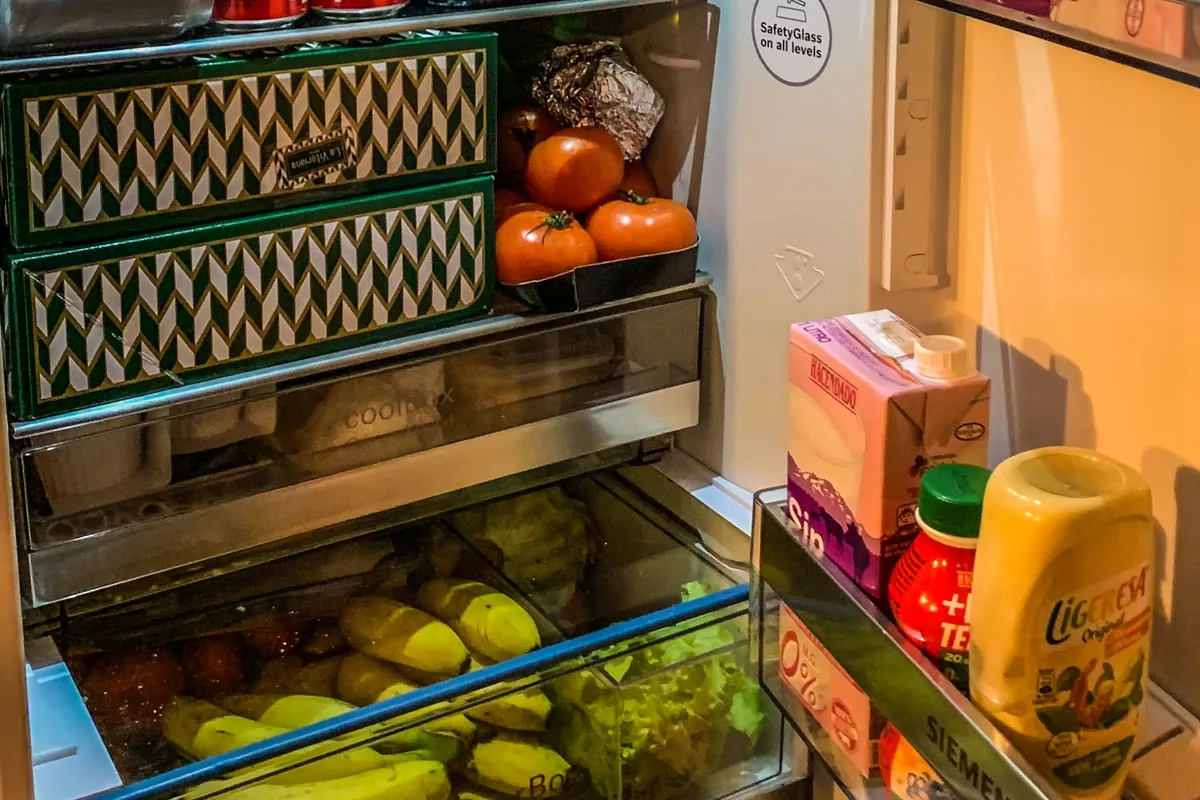
Settings, coils and seals that affect running cost.
View service
We're here to assist you with any fridge repair needs. Our team responds promptly to inquiries and is available for service.


