Focused arrival windows
Useful updates and clear arrival timing.
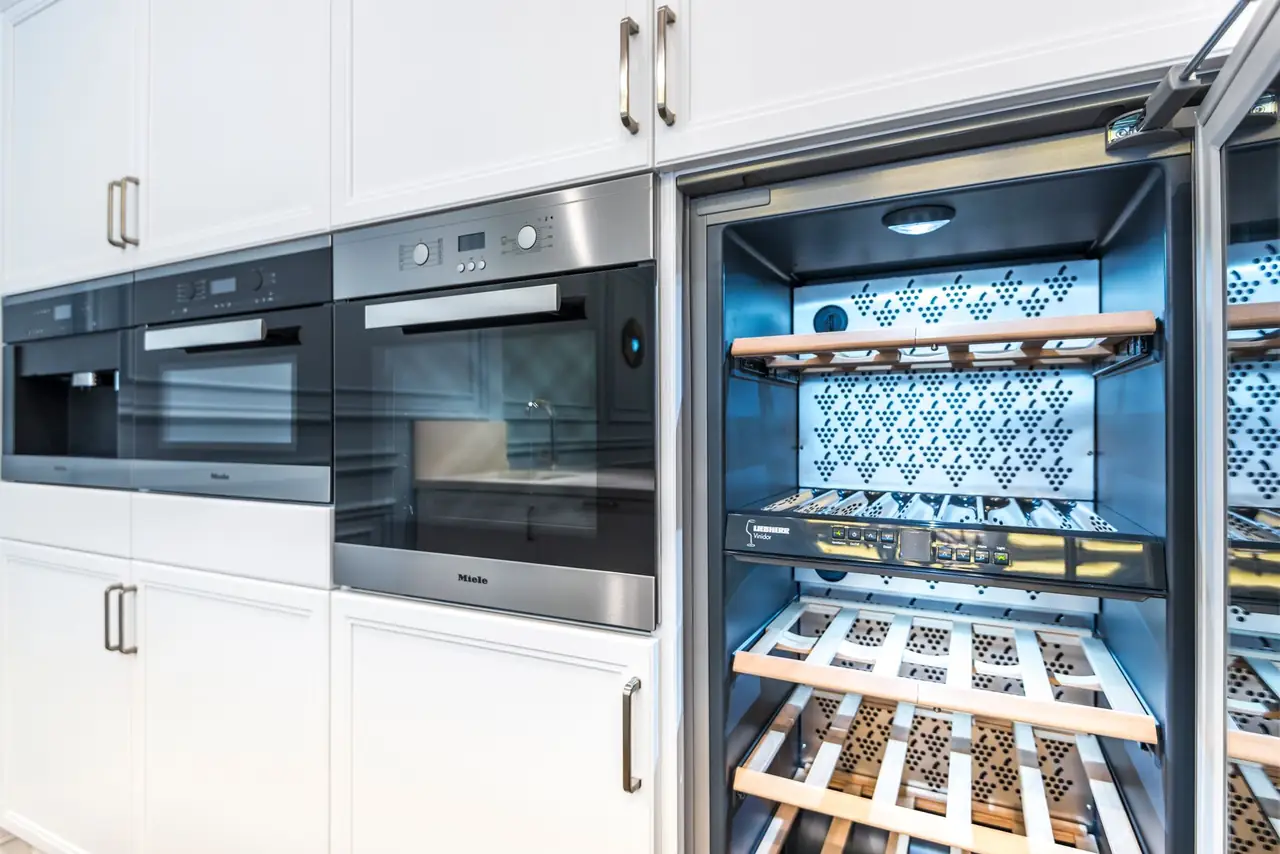
Wine cooler not holding temperature, running too warm in the Florida heat, buzzing or leaking? A bottle that sits too warm for a few weeks can spoil, and a unit that vibrates can disturb the wine. We diagnose the fault, tell you whether it is a compressor or a thermoelectric model, and quote the price before any work begins.
Useful updates and clear arrival timing.
Review the approach and price before deciding.
Equipped vehicles and respectful cleanup.
Neighbors serving neighbors with follow-through.
A wine cooler is a small refrigerator with tighter demands on temperature, vibration and humidity. We repair it with those in mind.
We measure the real temperature and compare it with the 55°F to 65°F range generally used for storing wine, and set and calibrate the unit.
Fans, thermostats, sensors and, on compressor models, the start relay and compressor, are the usual causes of a wine cooler that will not hold temperature.
Water in the base, a clogged drain or a worn door seal all upset the temperature and the humidity. We find and fix them.
Many wine cooler problems come from heat and poor airflow. We check the location and clearance, and advise on moving it.
Tell us what is happening and get a clear next step from the local team.
Wine is stored best at a steady temperature, generally around 55°F to 57°F, with a range of about 55°F to 65°F acceptable for storage, little swing, no vibration and moderate humidity. A wine cooler is built to give that, and it comes in two types: thermoelectric, with no compressor and very little vibration, and compressor-based, which cools to lower temperatures and copes better with heat.
In Florida, the room matters. A thermoelectric cooler can only cool a set amount below the room temperature, often around 20°C or 36°F, and wine experts quote about 25°C or 77°F as a room limit. A cooler in a hot lanai, a sunny room or a tight cabinet can struggle, and not be faulty. We check the room and the clearance first, and then the unit.
For a larger fridge, see our temperature adjustment page. For a built-in, tell us the model, since clearance rules differ.
Match what you see to the usual cause, and whether the cooler is a thermoelectric or compressor model.
| What you see | Usual cause | First check | Typical fix |
|---|---|---|---|
| Will not get cold enough | Hot room, dirty vents or coils, failed fan, or a failed module or compressor | Check the room and clean the vents | Fan, sensor or module; compressor and relay if compressor model |
| Too cold, bottles at risk | Thermostat or sensor fault | Check the setting; thermometer | Replace the thermostat or sensor |
| Temperature swings | Drifting control, worn seal or heavy door use | Log temperatures over two days | Recalibrate or replace the control; seal |
| Loud buzzing or rattling | Failing fan, loose part or compressor mount | Check level and loose parts | Fan or mount repair |
| Water inside or in the base | Blocked drain, condensation or a worn seal | Check the drain and the seal | Clear the drain; replace the seal |
| Display blank or error code | Control board or sensor fault | Unplug for 5 to 10 minutes; note the code | Replace the sensor or board |
| Fan runs, no cooling (thermoelectric) | Failed Peltier module or a hot room | Check the room; feel the heat sink | Module replacement if worth it |
| Clicks, no cooling (compressor) | Failed start relay or compressor | Listen for clicking | Relay; compressor if proven |
On the call we ask the make and model, the type (thermoelectric or compressor), where it lives and what the temperature reads.
We check the location, the clearance, the vents, the seal and the real temperature.
We test the fan, sensor, thermostat and the module or the compressor circuit, depending on the type.
You hear the cause, the part and the price, and whether repair is worth it for the cooler. If you approve, we repair it.
We confirm it is cooling toward the right temperature, and tell you how to keep it steady.
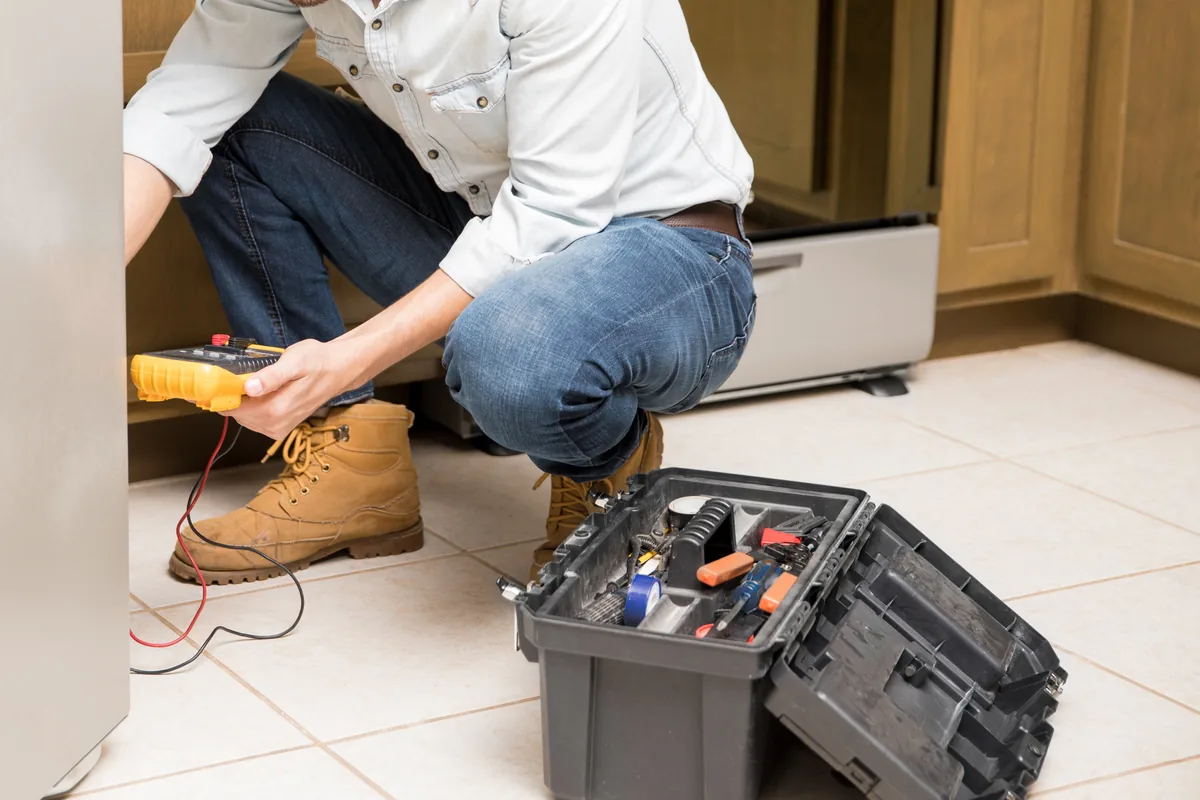
Shows the real temperature against the 55°F to 65°F storage range.
Tests thermostats, sensors, fans, modules, relays and the compressor circuit.
Clean dusty vents and coils, a common cause of poor cooling.
Fans, sensors, thermostats and gaskets for common wine cooler brands.
We adhere to EPA Section 608 regulations during refrigerant handling to ensure safety and environmental protection.
We perform thorough diagnostic tests to pinpoint issues accurately before proceeding with repairs.
We provide preventive maintenance services to help avoid future issues, ensuring your wine cooler remains in top condition.

Bottles that sit warm for weeks can spoil. A diagnosis finds whether it is the room, a fan or the cooling unit.
Vibration is bad for wine. A failing fan or mount is a modest repair if caught early.
Condensation, a blocked drain or a worn seal affect temperature and humidity. We find the source.
Heat and humidity make wine storage harder here. These are the local reasons we check the room as well as the cooler.
Average highs reach about 91°F from June to September. A cooler on a lanai or in a sunny room works hard, and a thermoelectric one may simply not keep up.
Moist air condenses inside and outside the cooler. A worn seal makes it worse, and mold can grow in the gasket.
Undercounter coolers need ventilation. A tight cabinet traps heat, and many manufacturers specify clearances.
A surge can damage the control board or sensor. A long outage in July can spoil bottles, so check the temperature when power returns.
Wine at a second home needs a cooler that works in summer when no one is there. A check before you leave is worth it.
Before repair, the wine cooler fluctuated between 55°F and 70°F, risking the quality of the wine.
After service, the temperature was stabilized at a consistent 55°F, ensuring optimal storage conditions.
Maintenance: Regularly check the temperature and clean the coils to maintain performance.
A significant leak caused pooling water around the wine cooler, creating a risk for water damage.
The leak was sealed, and no water accumulation was present post-repair, ensuring a dry environment.
Maintenance: Inspect seals and gaskets regularly to prevent future leaks.
The wine cooler emitted a loud rattling noise during operation, indicating a mechanical issue.
After replacing the faulty fan motor, the unit operated quietly, restoring peace to the home.
Maintenance: Schedule annual maintenance to keep components in good condition and avoid noise issues.
These are the wine cooler problems we are called about most.
A hot room, dirty vents, a failed fan, or a failed module or compressor. We test in order.
A drifting control, a worn seal or heavy door use. We calibrate or replace what has failed.
A failing fan or loose mount. We fix it, because vibration is bad for wine.
A blocked drain or a worn seal. We clear and replace.
A failed sensor or board. We test and replace the part.
A thermostat or sensor that has failed. We replace it and set the temperature.
$100 - $450 depending on scope
Most wine cooler repairs in Fort Myers fall within $100 to $450, with a fan, sensor, thermostat or seal toward the lower end. A compressor or sealed-system repair can cost $500 to $1,000 or more, and may not be worth it on a small cooler. You get a clear quote before any work begins, and we tell you honestly when replacing is smarter.
A thermoelectric unit has a module and fan. A compressor unit has the full cooling system, and it costs more to repair.
A built-in unit can be harder to reach. Access affects the labor.
Premium and dual-zone coolers use specific parts that cost more to source.
A premium cooler or a valuable collection may be worth a more expensive repair.
If the repair costs more than half of a comparable new cooler, replacing is usually better.
When comparing companies, ask whether the diagnostic fee is credited toward the repair, and whether parts and labor are in the quote.
| Job | Typical range | What it depends on |
|---|---|---|
| Fan motor or sensor | $95 to $280 | Part, model and access |
| Thermostat or control | $100 to $260 | Mechanical or electronic |
| Compressor or sealed-system repair | $500 to $1,000+ | Often not worth it on a small cooler |
General US market estimates for refrigerators (Fixr, EasyBear); wine cooler parts vary by brand. Not a Fridge Masters quote. Our quote comes after we diagnose your cooler.
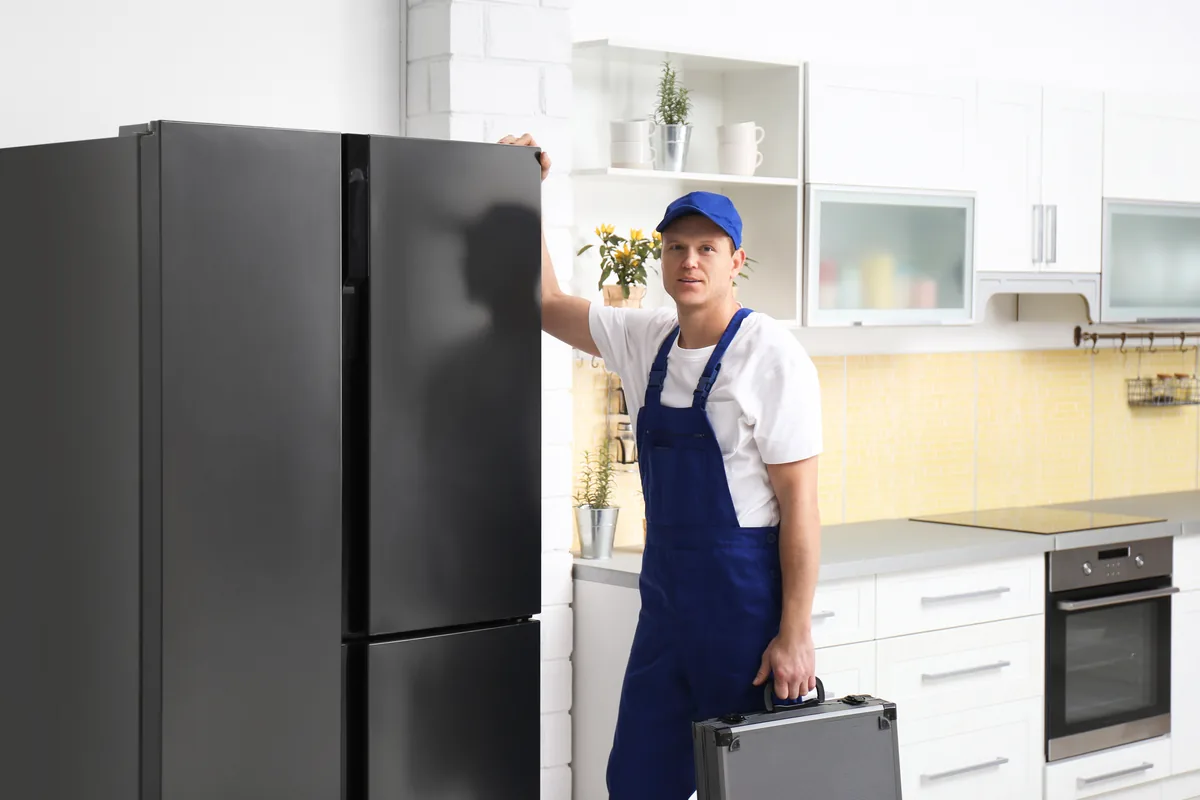
With 12 years of experience in wine cooler repair, our team is equipped with the knowledge and skills to tackle any issue. We hold certifications such as EPA Section 608 and NATE Certification, ensuring compliance with industry standards.

I had a great experience with the wine cooler repair service. They resolved the temperature issues quickly, and now my wine is perfectly chilled!
The technicians were professional and knowledgeable. They fixed my leaking wine cooler in no time, and I appreciated their transparency with pricing.
Fridge Masters provided excellent service for our restaurant's wine cooler. Their quick response and effective repairs helped us avoid any losses.
Wine is stored best at around 55°F to 57°F, with a range of about 55°F to 65°F acceptable for storage and as little swing as possible. Serving temperatures for reds and whites differ, and many dual-zone coolers let you set two. Use a thermometer to check the real temperature.
In Florida, the most common cause is the room. A thermoelectric cooler can only cool about 20°C or 36°F below the room temperature, and a hot lanai or sunny room can be too much. Dusty vents, a failed fan, a sensor, or a failed module or compressor are the other causes.
A thermoelectric cooler has no compressor, only a small module and a fan, so it is quiet and nearly vibration-free but cools only so far below the room temperature. A compressor cooler works like a refrigerator, cools to lower temperatures and copes better with heat, but is louder and has more moving parts.
Often yes for a premium or built-in cooler, or if the fault is a fan, sensor, thermostat or seal. On a small, cheap thermoelectric unit, a failed module is rarely worth the repair. If the repair costs more than half of a new one, replacing is usually better. We give you both numbers.
Most wine cooler repairs in Fort Myers fall within $100 to $450. A fan, sensor, thermostat or seal is toward the lower end, and a compressor or sealed-system repair can cost $500 to $1,000 or more. You get a quote before any work begins.
A failing fan, a loose part or an unlevel cooler is the usual cause, and on a compressor model, the compressor mount. Vibration is bad for wine, because it can disturb sediment. Check it is level and not touching the wall, and call us if the noise continues.
It is usually condensation from humid air, a blocked drain or a worn door seal. Dry it, check the drain and the seal, and make sure the cooler is level. If water keeps returning, call us, because it can also lead to mold and affect the labels.
Wine storage guides suggest about 55% to 70% humidity, so the corks do not dry out. Humidity is harder to control in a small cooler. A good seal helps, and in Florida, too much humidity can grow mold in the gasket, so keep it clean.
Only if it is designed for it. A hot lanai or garage can be too warm for a thermoelectric cooler, and for many standard units. A compressor unit rated for the heat copes better. Give it air space, and keep it out of direct sun.
Yes. Undercounter and built-in models usually need clearance and a ventilation path, and blocking it makes the unit overheat. Check your manual. If your cooler runs hot in a tight cabinet, tell us the model when you call.
A clean cooler holds the temperature better and avoids odors that could taint wine. Wipe the inside with warm soapy water, keep the gasket clean and avoid strong cleaners. Clean the vents and coils as the manual advises.
Keep the door shut to hold the temperature. When power returns, check the temperature, and if the cooler will not restart or hold, call us. For valuable bottles, move them to a cooler place quickly, and avoid big temperature swings.
Yes. We repair wine coolers and beverage fridges across Fort Myers and nearby areas, including Cape Coral, Estero, Lehigh Acres and Bonita Springs. Give us the make, the model and whether it is thermoelectric or compressor when you call.
Straight answers to what Fort Myers homeowners ask about wine coolers. Not seeing your question? Call and ask.
Ask the local team
We're here to assist you with any fridge repair needs. Our team responds promptly to inquiries and is available for service.